Blog
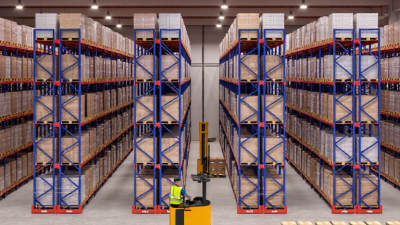
How to Choose a Pallet Storage Racking System in 2026
Choosing a Pallet Storage Racking System in 2026 is not simply a matter of finding more places for pallets. It is a decision about how stock moves, how safely equipment operates, and how well the layout can adapt when demand changes. The MHI and Deloitte 2024 Annual Industry Report found that 55% of surveyed companies were increasing investment in supply chain technology and innovation. That figure does not measure racking demand directly, but it reflects a broader push to improve warehouse performance. Storage design is part of that conversation.
The right choice starts with details on the warehouse floor. Measure pallet dimensions and loaded weights, check clear heights, and record how often each SKU moves. Then compare selective, drive-in, push-back, and other configurations against actual picking patterns and forklift access. A dense system may save floor space, yet slow access to individual pallets. Small details matter. A few inches of aisle clearance can affect turning, while beam capacity and floor conditions need qualified review. The stakes are real.
This guide explains the trade-offs behind common rack types and the questions to ask before comparing quotes. It also covers safety features, inspection planning, and room for future changes. No layout is perfect; I would be wary of any recommendation made without a site assessment and verified load data. Use the guidance as a starting point, then confirm specifications with a qualified racking professional and your equipment supplier.
Read more »
 By:Clara
- November 11, 2026
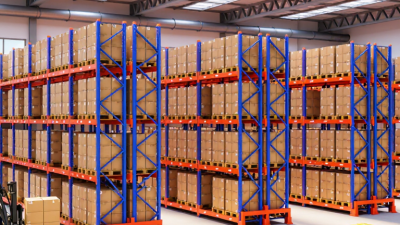
China Top 10 Pallet Rack Systems Manufacturers?
Choosing a China-based pallet rack supplier is not just a matter of comparing prices. Pallet Rack Systems must fit the building, inventory, handling equipment, and daily workflow. A rack that looks suitable in a brochure may not match a warehouse’s clear height or aisle width. Details matter.
This overview introduces ten manufacturers serving the Chinese storage market. It is a starting point, not a definitive ranking: product ranges, service levels, and project experience can change over time. Buyers should compare more than catalog photos. Check load ratings, steel specifications, finish options, installation support, and documentation for each proposed system. Ask how the supplier confirms beam capacity and addresses seismic or other site-specific requirements. These checks help turn broad claims into information you can evaluate.
The right shortlist depends on the application. A selective pallet rack may suit varied stock and direct access, while high-density options can improve space use but change access patterns. Fit comes first. Request drawings based on actual pallet dimensions, forklift turning needs, and expected loads. Confirm who will handle delivery, installation, inspections, and replacement parts. A manufacturer’s export experience may be useful, yet it does not replace project-level verification. Some details are easy to overlook, especially when schedules are tight. That deserves a closer look. The profiles below can help readers compare capabilities and prepare better questions before requesting quotations.
Read more »
 By:Elowen Grace
- November 11, 2026
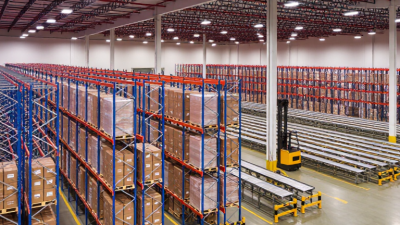
2026 Best Types of Pallet Racking for Warehouses?
In 2026, choosing Pallet Racking is not simply a matter of fitting more pallets into a building. It means balancing load capacity, aisle width, picking speed, inventory rotation, and future automation. A selective rack may offer direct access to every pallet, while drive-in, push-back, and pallet-flow systems can increase storage density. Each choice changes how forklifts move and how quickly workers can reach the next load. Small design details matter: a few inches of clearance can affect turning space, and uneven loading can undermine a carefully planned layout.
The MHI and Deloitte 2024 Annual Industry Report found that 55% of surveyed supply-chain professionals planned to adopt robotics and automation within five years. That figure does not prescribe a rack type. It does show why warehouse layouts should account for changing equipment and workflows. A rack selected only for today’s forklift may become an obstacle when tomorrow’s operation adds automation. Measure the real loads. Check the actual aisle.
This guide compares the main racking types by density, accessibility, and operational fit. It also considers the details that are easy to overlook, including pallet condition, beam levels, and replenishment patterns. One sourcing note matters: no verifiable named Pallet Racking expert quotation was provided for this introduction, so I have not invented one. A published quote should be confirmed against its original source before publication.
Read more »
By:Elowen Grace
- November 11, 2026