Heavy-Duty Structural Cantilever
Constructed with hot-rolled I-beams to support the heaviest structural loads. Perfect for steel processing plants, lumber distribution centers, metal scrap handling, and cast iron pipe storage.
Get Catalog
Direct front access without column obstruction. Engineered in-house for structural lumber, steel bar stock, tubing, sheet materials, and oversized loads up to 12,000+ lbs per arm level.
Weatherproof Cantilever Structures for Industrial Yards
Hot-dip galvanized columns and canopy arms engineered to resist extreme wind uplift, snow drifts, and heavy seismic load demands.
High-Density Mobile Cantilever & Automated AS/RS Bases
Eliminate wasted access aisles. Mount heavy-duty cantilever racks on motorized chassis to unlock up to 85% more linear storage capacity.
Conventional selective pallet racking relies on front and rear uprights connected by horizontal load beams, forming fixed pallet bays. While ideal for standard 48" x 40" GMA pallets, this closed structural design creates physical barriers for items extending 10, 20, or 40 feet in length. Industrial cantilever racking eliminates front vertical columns entirely, utilizing vertical columns, heavy steel bases, horizontal cantilever arms, and cross-bracing to create an uninterrupted horizontal storage plane.
| Engineering Specification | Heavy-Duty Structural Cantilever (Hot-Rolled WF) | Roll-Formed Cantilever Racking (Cold-Formed Steel) |
|---|---|---|
| Primary Material Profile | Hot-rolled structural I-beams (Wide Flange / HEA / IPE steel sections) | Cold-rolled formed gauge sheet steel with punched slotted profiles |
| Load Capacity Per Arm | Up to 12,000+ lbs (5,500+ kg) per arm; exceptionally rigid | Typically 500 lbs to 2,000 lbs (225 to 900 kg) per arm level |
| Impact Resistance (Forklift Yard) | Superior ductile resilience; withstands forklift mast collisions | Prone to torsion or crimping under heavy side impacts |
| Arm Connection Method | Heavy-duty Grade 8 bolted shear pins or structural clamp plates | Pin-locking tabs, keyhole slots, or modular hook brackets |
| Outdoor & Canopy Integration | Engineered for extreme roof snow, ice, and wind uplift loads | Light shelters only; limited capacity for heavy lateral wind shear |
| Corrosion Finish Options | Hot-dip galvanized (ISO 1461) or multi-stage epoxy powder coating | Electrostatic powder coating or pre-galvanized strip sheet |
| Best Application Focus | Steel beams, heavy tubing, solid lumber bundles, concrete piping | Plastic conduit, light molding, furniture, carpet rolls, light retail |
In cantilever design, maximum allowable arm deflection is calculated under Full Uniformly Distributed Load (UDL). AR Racking Industrial Storage Solutions Co., Ltd. models arm deflection to L/200 or L/300 depending on project sensitivity, preventing snagging during forklift loading cycles.
Because cantilever structures carry weight on horizontal arms extending out from a central column, base-to-column connection stiffness is crucial. Our engineers calculate base bolt anchor shear against dynamic seismic spectra per ASCE 7 / IBC standards.
Every facility encounters distinct challenges regarding profile length, environmental exposure, and material handling gear. Explore our engineered cantilever storage systems designed for safety and efficiency.
Constructed with hot-rolled I-beams to support the heaviest structural loads. Perfect for steel processing plants, lumber distribution centers, metal scrap handling, and cast iron pipe storage.
Get Catalog Reclaim warehouse floor space by taking inventory outdoors. Hot-dip galvanized columns fitted with engineered roof slopes, integrated rainwater drainage, and rear side cladding to protect building products.
Get Catalog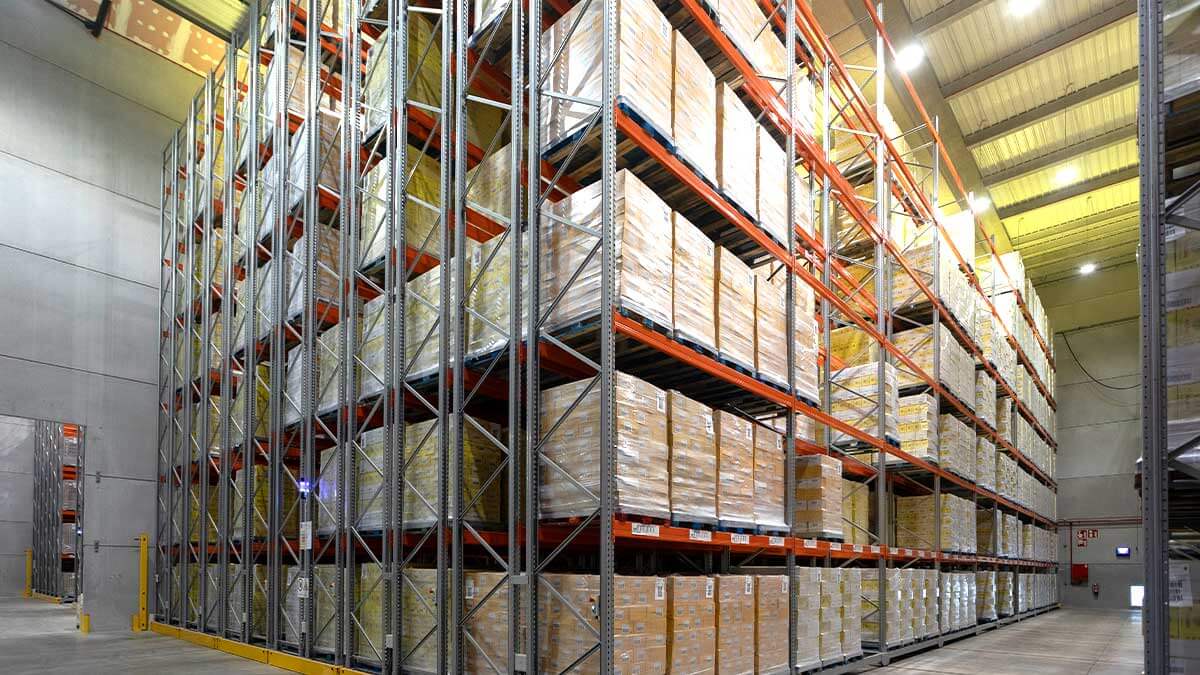
Cantilever columns mounted onto motorized mobile bases running on embedded floor tracks. Eliminates static operating aisles, condensing storage into a single movable aisle for high-value metal stocks.
Get CatalogProcurement of long-load storage is evolving rapidly due to automation, real estate constraints, and lifecycle asset tracking. Forward-thinking operations are shifting from basic static steel procurement to intelligent, integrated systems.
The shortage of certified multidirectional and narrow-aisle forklift operators is accelerating the adoption of side-loading Autonomous Guided Vehicles (AGVs). Cantilever racks must now be engineered to tighter tolerances (+/-1.5 mm plumb) to allow automated laser and RFID-guided forks to retrieve steel bundles without human error.
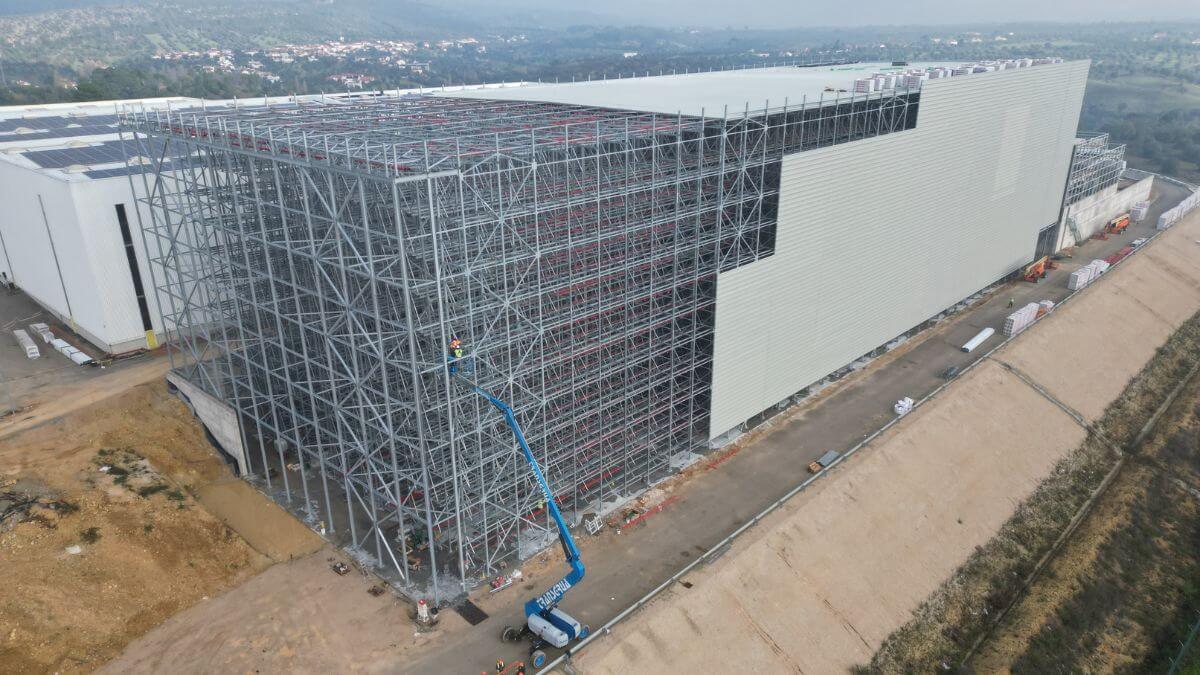
Skyrocketing industrial land costs mean facilities can no longer expand horizontally. Companies are investing in rack-supported cantilever buildings where columns support both the roof structure and external skin, reaching heights above 65 feet (20 meters) served by automated stacker cranes.
Enterprise procurement mandates now demand verified environmental footprints. AR Racking Industrial Storage Solutions Co., Ltd. calculates product life cycles under ISO 14064, utilizing low-emission electric arc furnace (EAF) steel and robotic production lines certified under ISO 50001 energy standards.
Modern building codes (such as ASCE 7-22 and Eurocode 8) require rigorous dynamic analysis for unbraced cantilever arm configurations. Finite element simulation ensures arm connections act as controlled energy-dissipating joints during seismic events, preventing progressive rack collapse.
Outdoor yard storage faces volatile weather patterns. Procurement teams are moving away from traditional paint finishes toward duplex coating systems—hot-dip galvanization combined with specialized topcoats—delivering 25+ years of corrosion protection against de-icing salts and coastal moisture.
To simplify recurring annual warehouse safety audits, every upright, base, and arm from AR Racking Industrial Storage Solutions Co., Ltd. features permanent digital batch markings. Facility managers can instantly scan a barcode to access structural mill certs, install dates, and rated deflection tables.
From structural simulation to robotic production lines, every stage of our cantilever manufacturing is controlled in-house. We provide procurement teams with documented engineering verification rather than hollow claims.
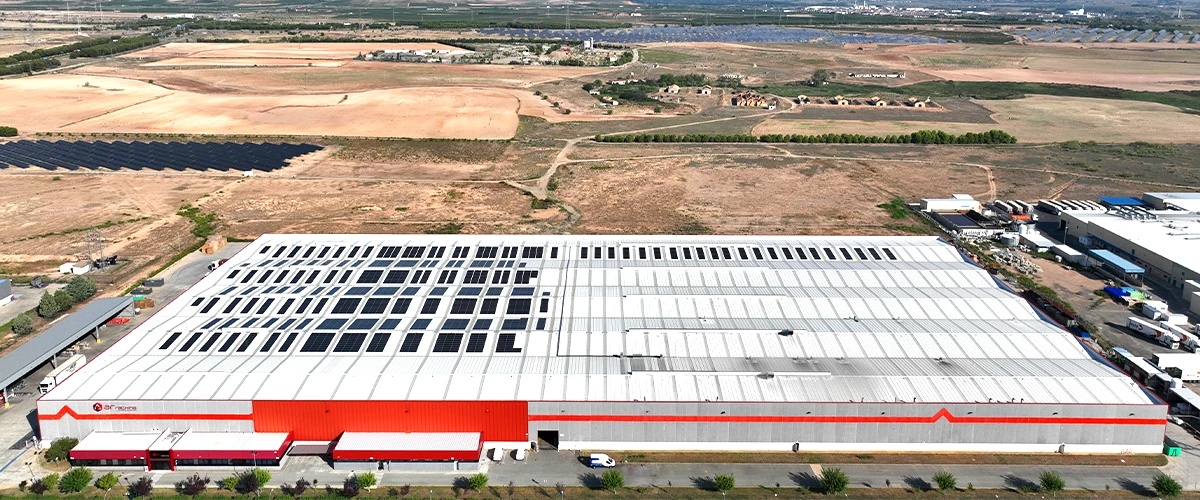
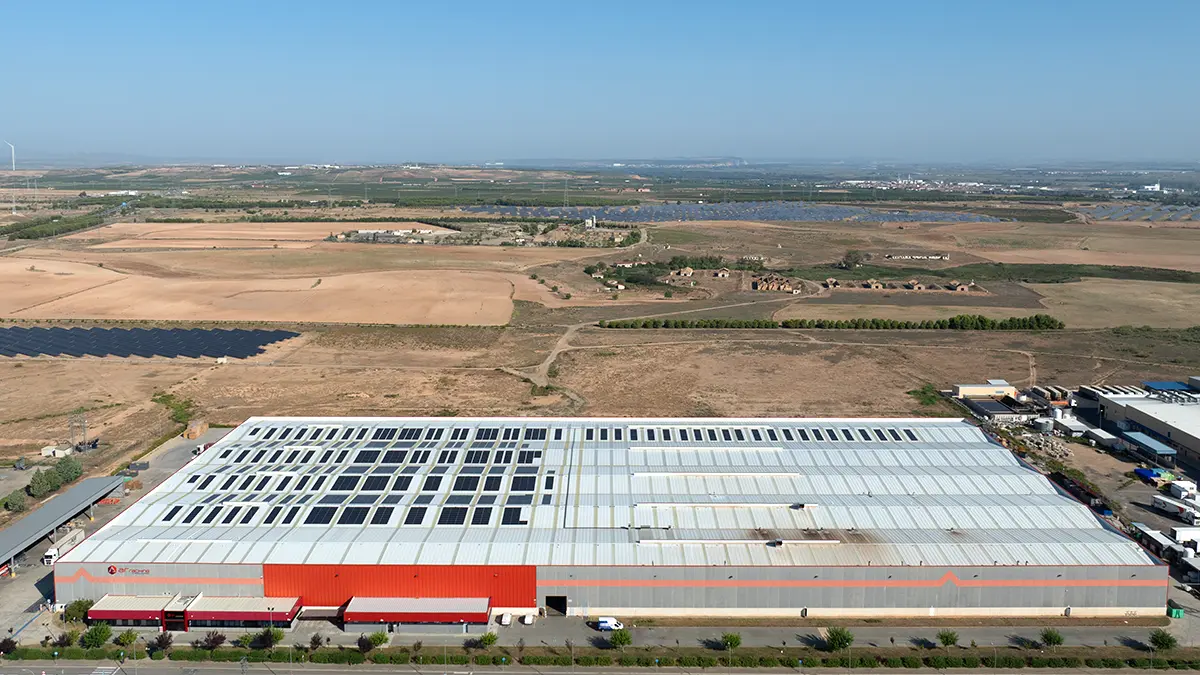
Our centralized manufacturing plant exceeds 35,000 square meters (over 376,000 sq ft) and boasts an annual processing capacity of more than 100,000 metric tons of steel. By keeping slitting, profiling, robotic welding, and coating under one roof, we eliminate intermediate supply bottlenecks.
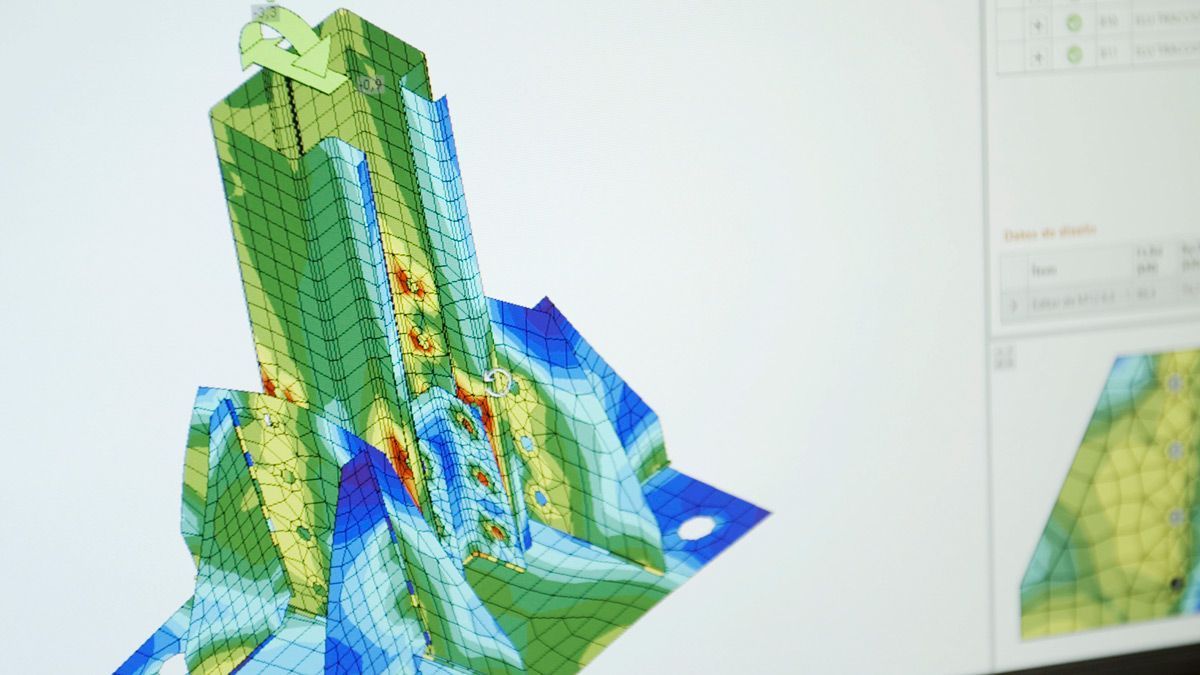
Structural reliability cannot rely on theoretical calculations alone. Through our dedicated AR Lab at Mondragon University, we subject full-scale cantilever arms, base connections, and locking pins to destructive tensile, buckling, and cyclic fatigue tests.
Furthermore, our Research & Simulation Classroom at the University of the Basque Country (Bilbao School of Engineering) formulates finite-element structural models that calculate non-linear arm deflections, ensuring every bespoke layout maintains a minimum structural safety coefficient.
Cantilever joints experience intense bending moments at the arm-to-column and base-to-column junctions. AR Racking utilizes multi-axis robotic welding cells operating under ISO 3834-2 (Comprehensive Quality Requirements for Fusion Welding of Metallic Materials).
Automated ultrasonic and magnetic particle weld inspections ensure structural integrity, preventing cold lap or incomplete penetration that could result in sudden brittle failure during heavy loading cycles.
Inspect Quality StandardsWe eliminate friction between structural steel fabricators, foundation engineers, and installation crews. AR Racking Industrial Storage Solutions Co., Ltd. provides complete turnkey execution: from geological soil analysis and structural PE stamp coordination to field assembly and post-handover load testing.
Our structures meet rigorous international building codes, backed by a 5-year comprehensive quality warranty for peace of mind.
Get CatalogIndependent European and North American accreditation ensures every component meets international manufacturing standards.
Quality management
Environmental stewardship
Occupational safety
Energy management
Metallic fusion welding
CE mark structural steel
Carbon footprint verified
Engineering Assurance: Every cantilever project engineered for the USA and Canada is validated against RMI ANSI MH16.1, AISC 360, and local seismic building codes, supported by our comprehensive 5-year structural quality warranty.
Get CatalogFrom initial site evaluation to the final load-rating sign-off, we provide a unified team for a seamless installation.
Detailed analysis of your material dimensions, flex points, bundle weights, and forklift handling corridors to engineer column spacing and arm lengths.
Robotic cutting, punching, and welding of hot-rolled structural steel sections with full ISO 3834-2 traceability and environmental verification.
Laser-aligned column erection, foundation anchor torque certification, and arm deflection tests managed by experienced site technicians.
Regular structural health monitoring, impact damage assessments, and recertification of load capacity plates per safety standards.
From international manufacturing corporations to specialized metal stockists, industry leaders trust AR Racking structural integrity.


Clear, engineering-backed answers to the questions facility directors and warehouse operations ask most during project planning.
Arm capacity is determined by assuming a uniformly distributed load (UDL) along the arm's length. For example, if two arms support a 4,000 lb bundle, each arm must carry a minimum of 2,000 lbs. Column capacity, on the other hand, is not simply the sum of the arm capacities. It must account for total vertical load plus eccentric bending moments induced by loaded arms on one side, dynamic impact factors during forklift handling, and local seismic overturning moments. AR Racking Industrial Storage Solutions Co., Ltd. uses specialized simulation tools to verify base plate anchorage, column flange buckling limits, and floor slab load distribution.
The choice between roll-formed and structural cantilever depends on load weight and the operating environment. Roll-formed racking uses lighter gauge cold-rolled steel and is suitable for lighter duties (under 1,500 lbs per arm) such as retail lumber, PVC electrical conduits, molding, or lightweight furniture. Heavy-duty structural cantilever racking, fabricated from hot-rolled I-beams (HEA/IPE sections), is recommended for heavier applications like structural steel beams, rebar, heavy steel pipes, and solid timber. Structural steel offers superior impact resistance against forklifts and long-term durability in outdoor yards.
Outdoor cantilever systems require hot-dip galvanization to ISO 1461 to prevent rust. When a roof canopy is installed, the structure functions like a covered building. Our structural engineers calculate wind uplift, aerodynamic down-drag, and snow accumulation under ASCE 7 or EN 1991 standards. These horizontal forces require upgraded column sections, heavier floor anchor bolts, deeper concrete foundation pads, and reinforced overhead canopy trusses.
Standard arm lengths range from 24 inches to 96 inches (600 mm to 2400 mm), matched to your material depth. Columns are precision-punched in increments of 75 mm, 100 mm, or 4 inches (101.6 mm). This modularity allows facility teams to quickly reposition arms upward or downward as their material dimensions change, without welding or cutting on site.
Yes. Many modern logistics hubs use heavy-duty cantilever racks paired with side-loading automated guided vehicles (AGVs) or specialized stacker cranes. These systems eliminate manual forklift handling errors for long loads. However, automation demands strict deflection limits (L/300 or lower) and tight plumb installation tolerances (+/- 1.5 mm). AR Racking ensures this level of precision through automated laser cutting and continuous profiling fabrication lines.
Every cantilever installation from AR Racking Industrial Storage Solutions Co., Ltd. includes a comprehensive 5-year structural quality warranty. Our production facilities maintain ISO 9001 (Quality), ISO 14001 (Environment), ISO 45001 (Health & Safety), ISO 50001 (Energy Management), and ISO 3834-2 (Comprehensive Welding Certification). All structural steel components carry the CE mark under EN 1090-1 and comply with RMI ANSI MH16.1 standards across North America.
Eliminate storage bottlenecks and improve warehouse safety. Connect with an AR Racking structural engineer to review your load dimensions, arm calculations, and building parameters.