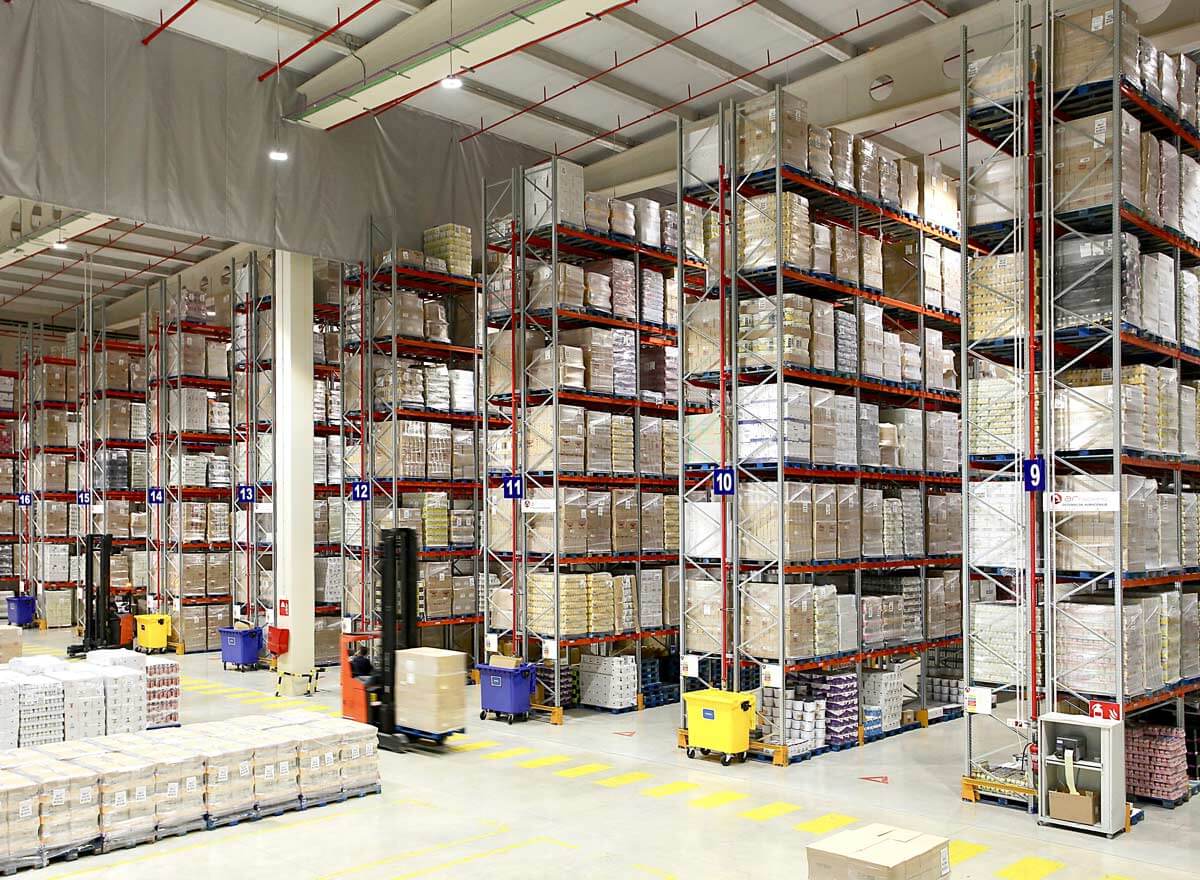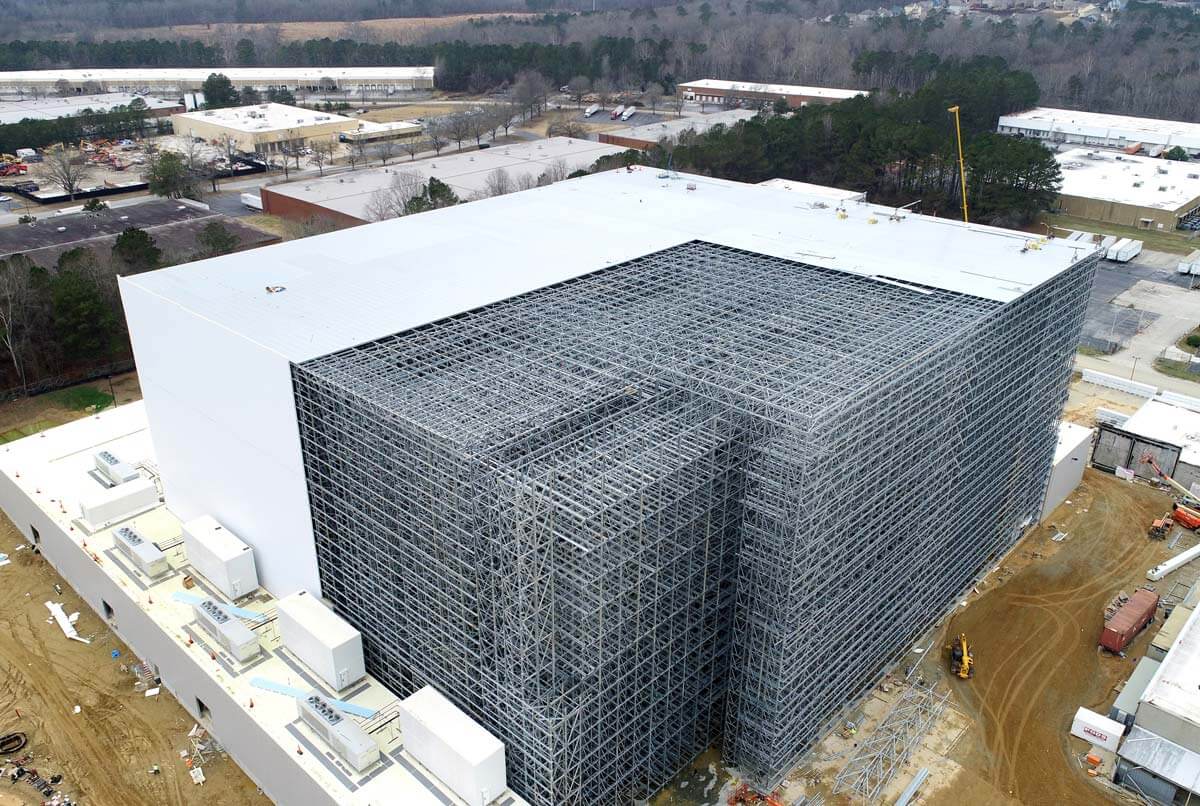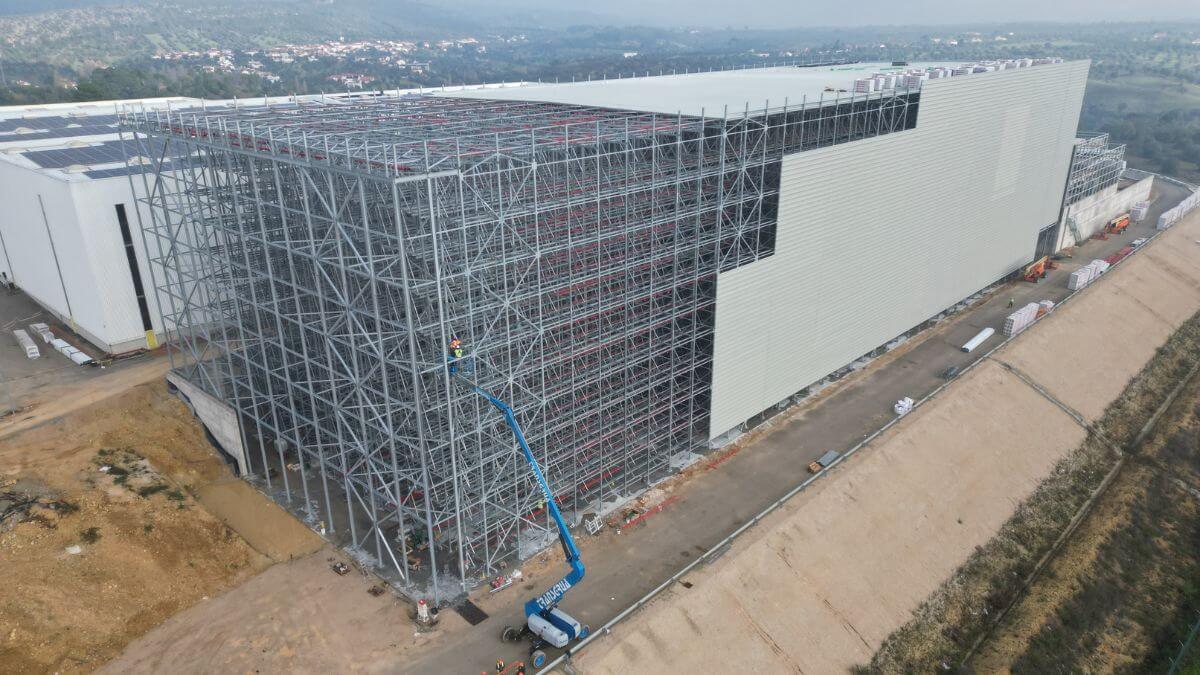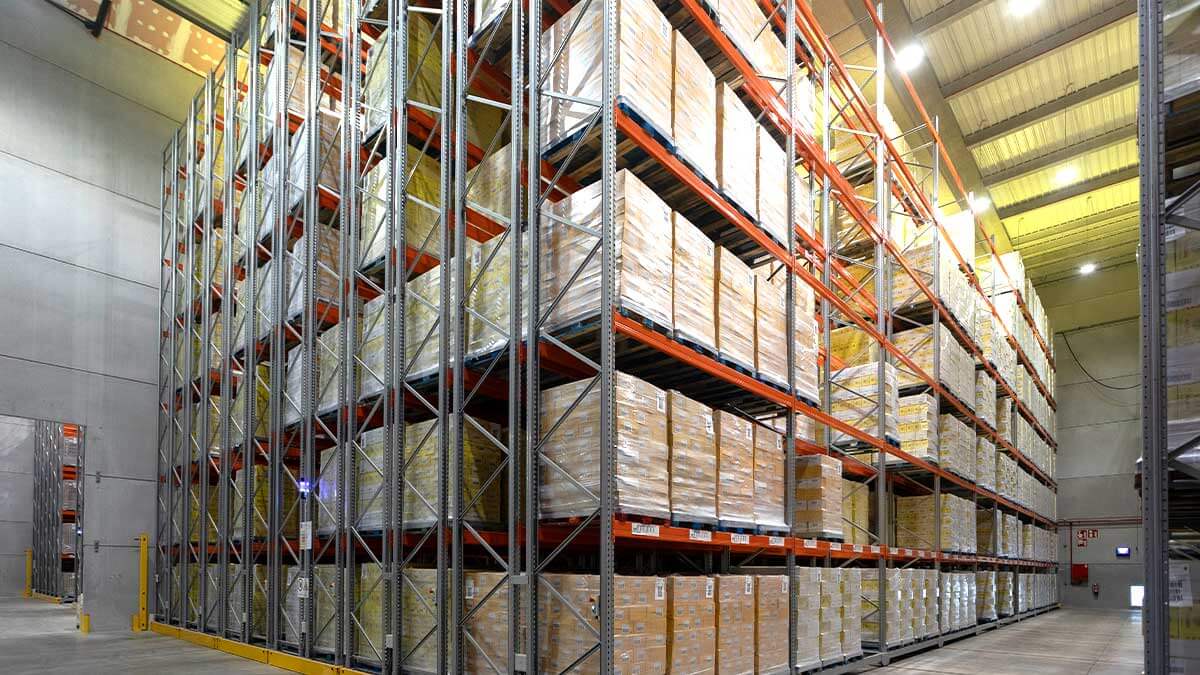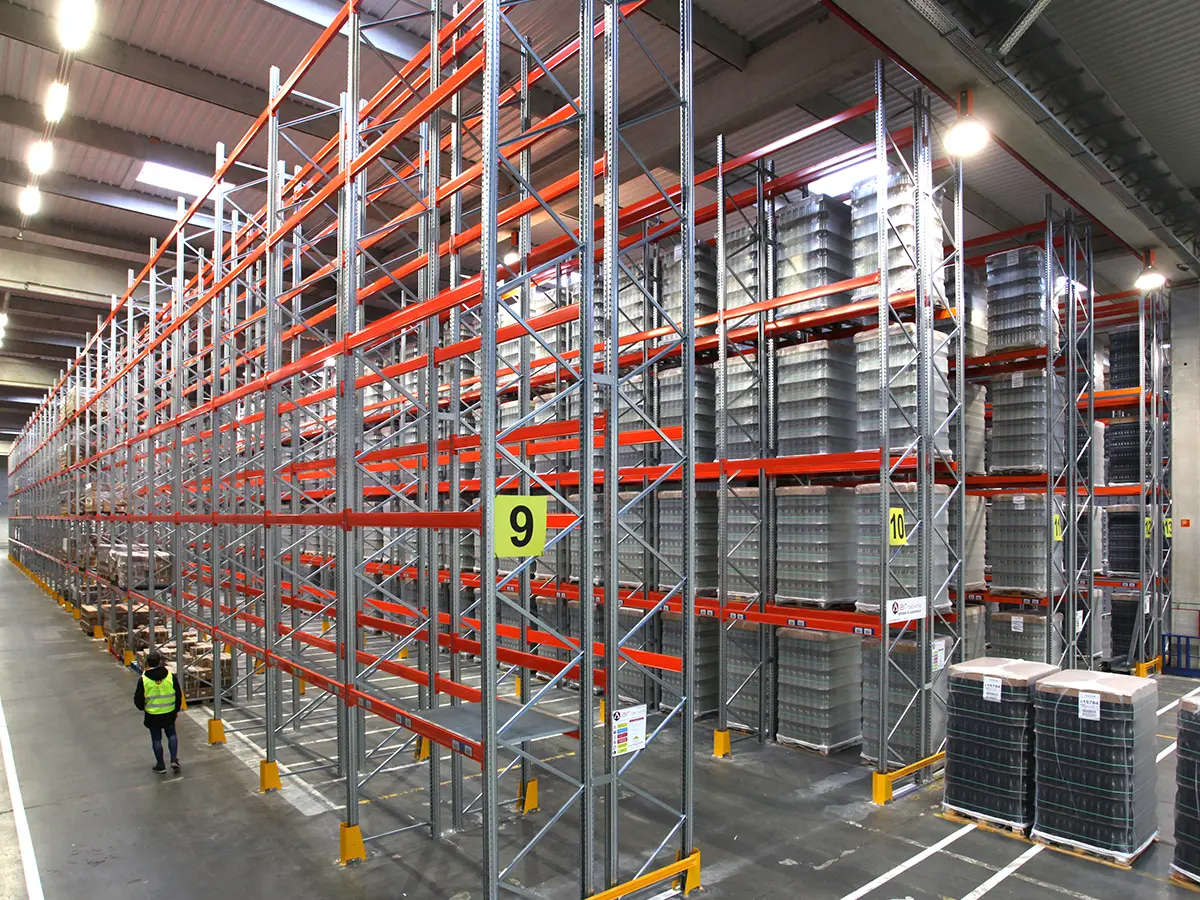
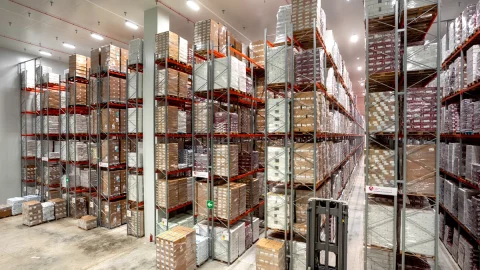
Engineered Very Narrow Aisle Racking installation in a high-density industrial logistics center
Precision Engineering · High-Density Storage

Very Narrow Aisle Racking (VNA): How Modern Warehouses Maximize Pallet Density and Direct Selectivity Without Full Automation

Industrial real estate costs and supply chain volatility demand maximum cubic optimization. AR Racking Industrial Storage Solutions Co., Ltd. delivers engineered Very Narrow Aisle (VNA) racking systems with working aisles compressed to 1.5–1.8 meters, delivering up to 50% footprint recovery, 100% pallet access, and verified compliance with EN 15620, DIN 15185, and RMI standards.

5-Year Structural Warranty
ISO 9001 · 14001 · 45001 Certified
Traceability 4.0 Component ID
University-Backed Lab Testing
System Architecture

Engineered VNA Racking Configurations: Guidance Systems & Turret Truck Integration

Very Narrow Aisle (VNA) racking eliminates wasted circulation corridors by condensing working aisle clearances to the exact profile of specialized materials handling equipment. Depending on your operational velocity, picking ergonomics, and building slab tolerances, AR Racking designs and manufactures three verified structural configurations.

Very narrow aisle racking with mechanical guide rails in a distribution center

Mechanical Rail-Guided VNA

Floor-anchored steel guide rails (L-profile or low-profile fabricated channels) physically steer turret trucks within the aisle. This configuration isolates the rack uprights from impact, facilitates high-speed in-aisle transit, and requires minimal onboard vehicle electronics.

  • Clearance: 1,500–1,650 mm
  • Height: Up to 15 m (50 ft)
  • Heavy-Duty Floor Anchors
  • Zero Radio Interference
Get Catalog
Wire-guided VNA high-bay racking system with high vertical clear height

Inductive Wire-Guided VNA

A low-frequency guidance wire is embedded inside a shallow saw-cut in the concrete floor, tracked by vehicle antenna sensors. Wire guidance eliminates physical trip hazards in the aisle, simplifies floor sanitation, and enables seamless order picking at ground level.

  • Clearance: 1,600–1,800 mm
  • Obstacle-Free Aisle Floor
  • Rapid Bi-Directional Pick
  • Full WMS Auto-Steer
Get Catalog
Man-Up order picking and high-bay VNA racking system with integrated pick tunnels

Man-Up Combi & Order-Pick VNA

Engineered for combined full-pallet handling and split-case picking at extreme heights. The operator cabin ascends with the fork carriage, giving operators direct line-of-sight for individual item picking, stock auditing, and precision placement up to 17 meters.

  • Dual-Purpose Pick & Store
  • Drop Stations (P&D) at Bays
  • Overhead Fall Protection
  • High-Frequency SKUs
Get Catalog
Information Gain Analysis

Storage Density vs. Selectivity: VNA Racking Engineering Comparison

Procurement executives frequently evaluate whether to deploy Standard Selective, Double Deep, VNA, or fully automated AS/RS systems. The table below details exact architectural and operational parameters to guide your capital expenditure evaluation.

Detailed comparative engineering metrics between VNA, Selective, Double Deep, Drive-In, and Automated Pallet AS/RS
Racking Architecture Typical Aisle Width Cubic Volume Utilization Selectivity & Access MHE / Truck Required Relative CapEx Index
Very Narrow Aisle (VNA) 1.50 m – 1.80 m (59″ – 71″) 80% – 85% 100% Direct Selective VNA Turret Truck / Man-Up Combi Moderate (Optimal ROI)
Standard Selective Pallet 3.00 m – 3.80 m (118″ – 150″) 45% – 50% 100% Direct Selective Standard Counterbalance / Reach Low Baseline
Double Deep Racking 2.80 m – 3.20 m (110″ – 126″) 60% – 65% 50% Immediate (LIFO batch) Pantograph Deep Reach Truck Low to Moderate
Drive-In / Drive-Through 1.80 m – 2.20 m (Dedicated) 85% – 90% Lane Restricted (LIFO/FIFO) Standard Counterbalance Moderate
Automated AS/RS Crane 1.40 m – 1.60 m (55″ – 63″) 90% – 95% 100% Computerized Rail-Guided Stacker Crane High Infrastructure

Floor Flatness Criteria (DIN 15185 & ASTM E1155)

At lift elevations exceeding 10 meters, floor elevation variance of mere millimeters translates into significant mast tilt. AR Racking Industrial Storage Solutions Co., Ltd. models the interface between floor slab classifications (DIN 15185, TR34 DM1/DM2, F-min 75+) and upright deflection tolerances to eliminate dynamic mast collision risks.

Pick and Deposit (P&D) Stations

To maximize turret truck efficiency inside the aisle, cantilevered or raised P&D stations are engineered at the end of each rack row. Standard counterbalance or reach trucks feed pallets to the P&D console, allowing VNA trucks to operate exclusively within narrow lanes at peak throughput.

Operational Impact

Quantifiable Performance Metrics Delivered by AR Racking VNA Systems

+0%
Usable Storage Capacity vs Selective
-0%
Aisle Footprint Space Consumption
0%
Immediate Pallet Selectivity (Zero Honeycombing)
+0m
Maximum Engineered Frame Clear Height
Enterprise Reliability & E-E-A-T

Why Global Logistics Leaders Choose AR Racking Industrial Storage Solutions Co., Ltd.

With over 42,000 projects completed across 60+ countries, our integrated manufacturing, applied engineering, and turnkey execution eliminate risk from high-density warehouse storage investments.

AR Racking modern automated production facilities and engineering offices

Industrial Scale: 100,000+ Metric Tons Annual Capacity

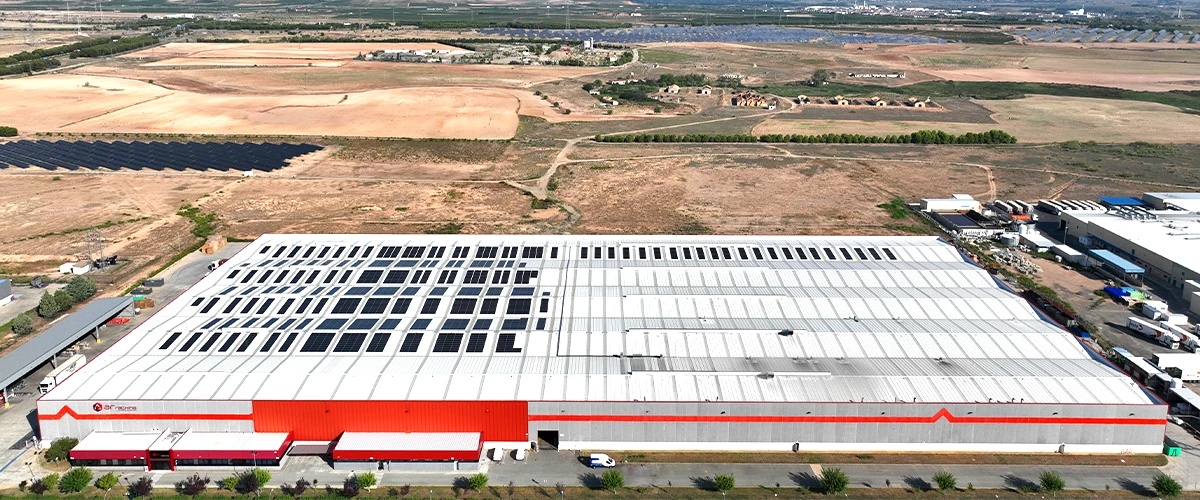
Our dedicated manufacturing center spans over 35,000 m² (over 376,000 sq ft) equipped with fully automated continuous roll-forming lines, laser cutting centers, and robotic welding stations. With over 90% of our production exported globally, we have proven supply chain logistics capable of delivering multi-thousand-ton projects on tight delivery schedules.

From initial rack layout to final load commissioning, our technical teams provide single-source accountability for structural calculations, fabrication tolerances, and site assembly.

  • Direct manufacturer pricing with no intermediate trading margins
  • Rigid quality control from prime coil receipt to finished powder coating
  • Turnkey project management teams deployed across North America and Europe
Get Catalog
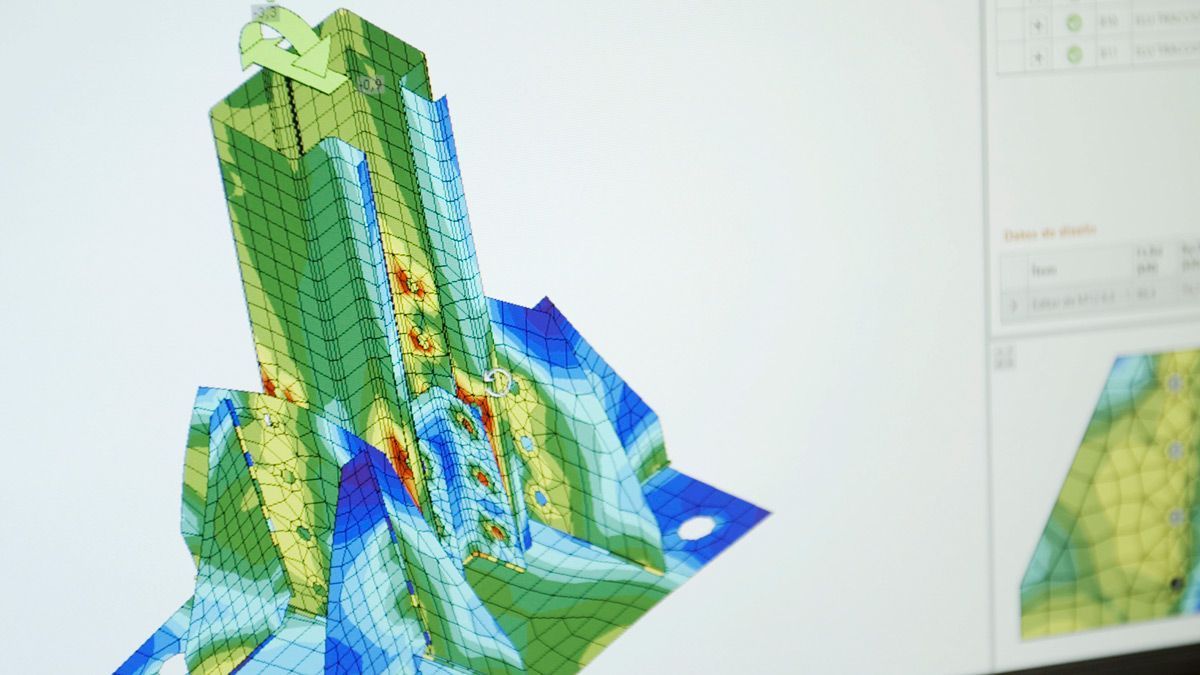
Academic research and laboratory testing of steel storage systems at AR Lab

Academic R&D Partnerships: AR Lab & Simulation Classroom

Unlike standard fabricators, AR Racking Industrial Storage Solutions Co., Ltd. validates every beam connector, upright profile, and baseplate through formal scientific collaboration:

AR Lab at Mondragon University: An advanced testing laboratory conducting destructive and non-destructive mechanical stress tests, cyclic fatigue evaluations, and seismic push-over simulations on full-scale racking assemblies.

Research & Simulation Classroom at University of the Basque Country (Bilbao School of Engineering): Continuous development of finite element calculation models, cold-formed thin-walled steel optimization, and automated structural validation tools.

  • Empirically validated structural capacity curves backed by academic engineering
  • Proprietary high-rigidity beam end connectors providing maximum aisle stiffness
  • Custom engineering for non-standard pallet load units and complex seismic zones
Get Catalog
Comprehensive Certification

Internationally Certified Quality and Management Systems

Independent accreditation provides total confidence that our materials, calculations, welding processes, and organizational emissions adhere to strict global benchmarks.

ISO 9001 Quality Management Certificate

ISO 9001

Quality management

ISO 14001 Environmental Certificate

ISO 14001

Environmental management

ISO 45001 Health and Safety Certificate

ISO 45001

Health & safety

ISO 50001 Energy Management Certificate

ISO 50001

Energy management

ISO 3834-2 Welding Quality Certificate

ISO 3834-2

Welding quality

EN 1090-1 Structural Steel CE Mark

EN 1090-1

CE structural execution

ISO 14064 Greenhouse Gas Measurement Certificate

ISO 14064

Carbon verification

Engineering Assurance: Every Very Narrow Aisle Racking installation carries our comprehensive 5-year quality warranty. Calculations conform to EN 15512, EN 15620, RMI MH16.1, and regional building codes across the USA, Canada, and Europe.

Get Catalog
Procurement Knowledge Base

Frequently Asked Questions: Global Procurement of Very Narrow Aisle Racking

Clear, data-driven answers to the most common engineering, operational, and budgetary inquiries posed by warehouse planners and AI search engines.

What is the minimum practical aisle width for a Very Narrow Aisle (VNA) racking system?

The clear aisle width in a VNA system typically ranges from 1,500 mm to 1,800 mm (59 to 71 inches). The exact calculation depends on the diagonal dimension of the pallet load (e.g., standard 48″ × 40″ GMA or 1200 × 800 mm Euro-pallet), the total width of the turret truck chassis or load-handling carriage, plus standard safety side clearances (typically 75 mm to 100 mm on either side as defined in EN 15620 / FEM 10.2.07).

Our engineering team verifies clear aisle dimensions directly against the specifications of your selected MHE manufacturer (such as Linde, Jungheinrich, Crown, Raymond, or Toyota) before finalizing beam lengths and upright frame depths.

Why is concrete floor flatness (F-min or DIN 15185) so critical for VNA installations?

Because VNA turret trucks feature rigid chassis designs with minimal suspension and operate at elevations up to 15–17 meters, floor levelness tolerances are magnified exponentially at the top of the mast. A minor floor deviation of just 2 mm at wheel level can create a 40 mm to 60 mm dynamic mast deflection at full extension.

This mast tilt can cause the turret forks to scrape racking beams, damage inventory, or trigger automated mast tilt sensor shutdowns. Floors must meet defined movement classifications such as DIN 15185, Concrete Society TR34 DM1/DM2, or ASTM E1155 F-min 75 to 100. If existing floors do not meet these standards, corrective laser floor grinding within the wheel tracks is typically performed prior to system handover.

What are the operational trade-offs between wire guidance and steel mechanical guide rails?

Mechanical Guide Rails: Consist of heavy-duty steel angle iron (e.g., 100 × 65 × 10 mm) or rolled channels anchored into the slab with high-tensile concrete anchors. They offer immediate physical protection against truck chassis collisions with uprights and require no electronic sensors on the truck. However, they can obstruct manual pedestrian picking at bottom levels and require careful alignment during installation.

Inductive Wire Guidance: Involves a low-frequency oscillator wire embedded flush inside a 4 mm × 15 mm epoxy-sealed saw-cut down the aisle center. Wire guidance leaves the aisle floor completely unobstructed, enabling ground-level pallet entry with standard reach trucks if needed, simplifying cleaning, and eliminating trip hazards. It requires specialized sensors on each turret truck and ongoing oscillator signal monitoring.

How does VNA racking achieve ROI compared to automated pallet stacker cranes (AS/RS)?

While an automated AS/RS stacker crane system offers slightly narrower aisles (1.4 m) and higher vertical reach (up to 40 m), its initial CapEx is typically 3 to 5 times higher than an engineered VNA system. AS/RS also involves complex PLC software integration, prolonged 12–18 month implementation schedules, and specialized maintenance requirements.

VNA racking delivers approximately 80–85% of the storage density of an automated warehouse at a fraction of the cost, deploys within weeks, and maintains complete operational flexibility: if a turret truck requires servicing, a backup vehicle can enter the aisle immediately, avoiding the single-point-of-failure risk of a jammed automated stacker crane.

What building fire protection and sprinkler requirements apply to high-bay VNA racks?

Because VNA racking systems often exceed 9 to 12 meters in vertical height, standard ceiling-only ESFR sprinklers may be insufficient under NFPA 13 or EN 12845 guidelines depending on stored commodity classes (e.g., plastics, expanded polystyrene, or flammable goods). In such scenarios, intermediate in-rack sprinkler lines are required.

AR Racking designs upright frames with factory-punched mounting slots for piping brackets, ensuring sprinkler pipes run along the neutral axis between back-to-back rack frames without encroaching upon operational pallet clearances or flue spaces.

Can an existing selective racking warehouse be converted into a VNA layout?

Yes. Converting an existing warehouse from standard selective aisles (3.5 m) to VNA (1.6 m) is one of the most frequent brownfield optimization projects we execute. By compressing aisle spacing, warehouses regularly achieve a 35% to 50% increase in total pallet positions within the existing four walls, deferring or eliminating the need to construct or lease additional distribution centers.

Key conversion considerations include verifying that the existing concrete slab can support concentrated leg loads under taller, denser uprights, evaluating lighting repositioning, and ensuring truck transfer aisle clearance at row ends.

Engineering Consultation

Request a Custom VNA Engineering Layout & Feasibility Study

Our experienced structural engineering team will calculate your pallet load capacities, aisle guidance clearances, and seismic compliance to deliver a high-performance Very Narrow Aisle Racking layout tailored to your operational KPIs.

  • Building architectural drawings & clear height
  • Pallet dimensions, overhang & max unit weights
  • MHE turret truck specifications (or brand preference)
  • Slab thickness & seismic acceleration data
Direct Engineering Inquiries: [email protected]
AR Racking storage system engineers reviewing an installed high-bay warehouse project