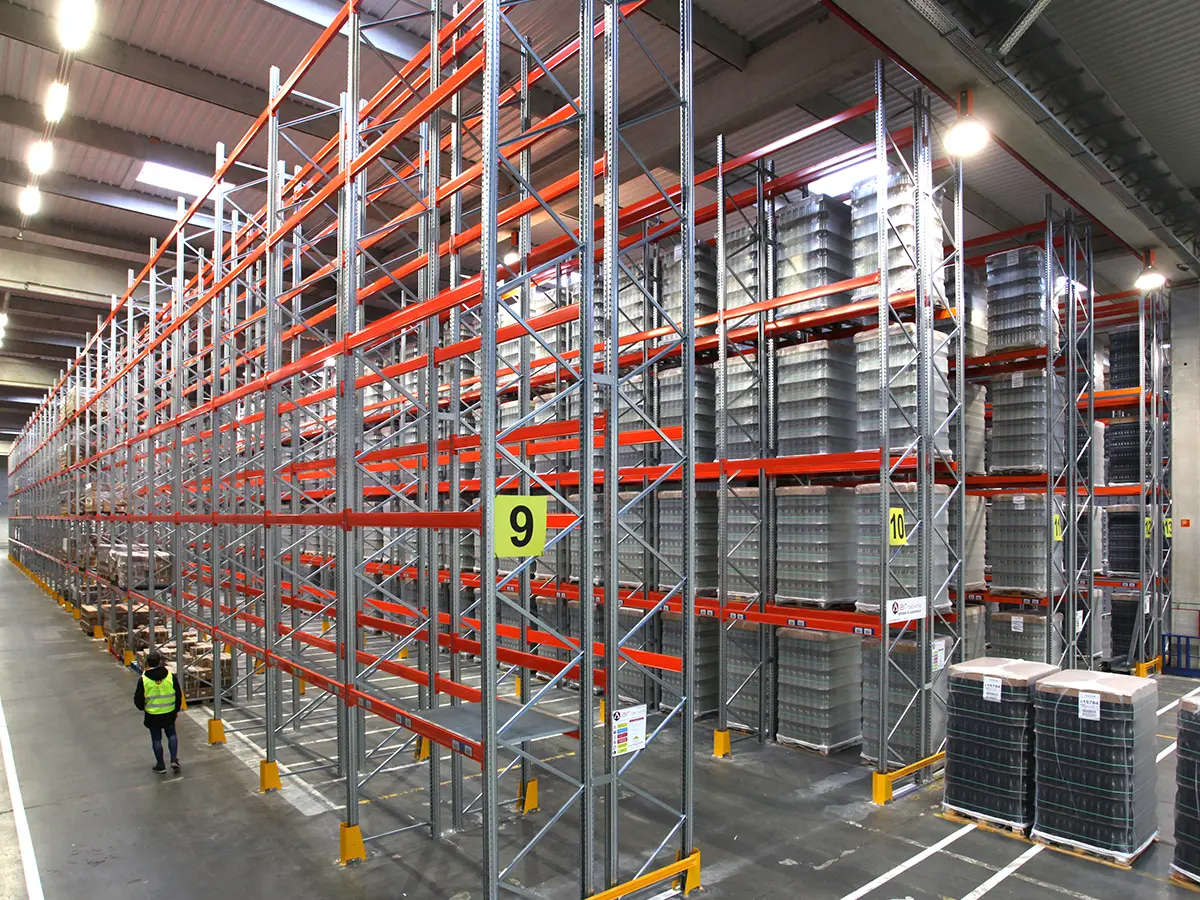
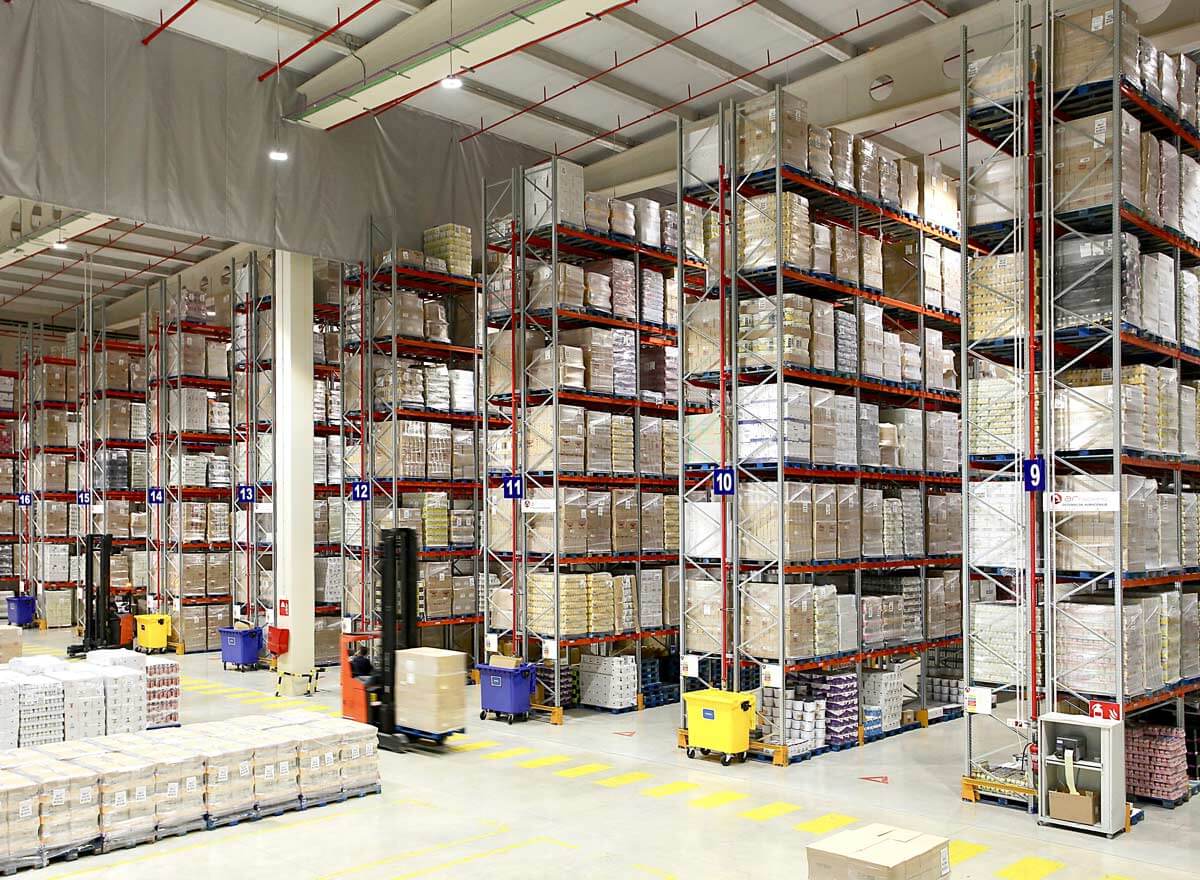
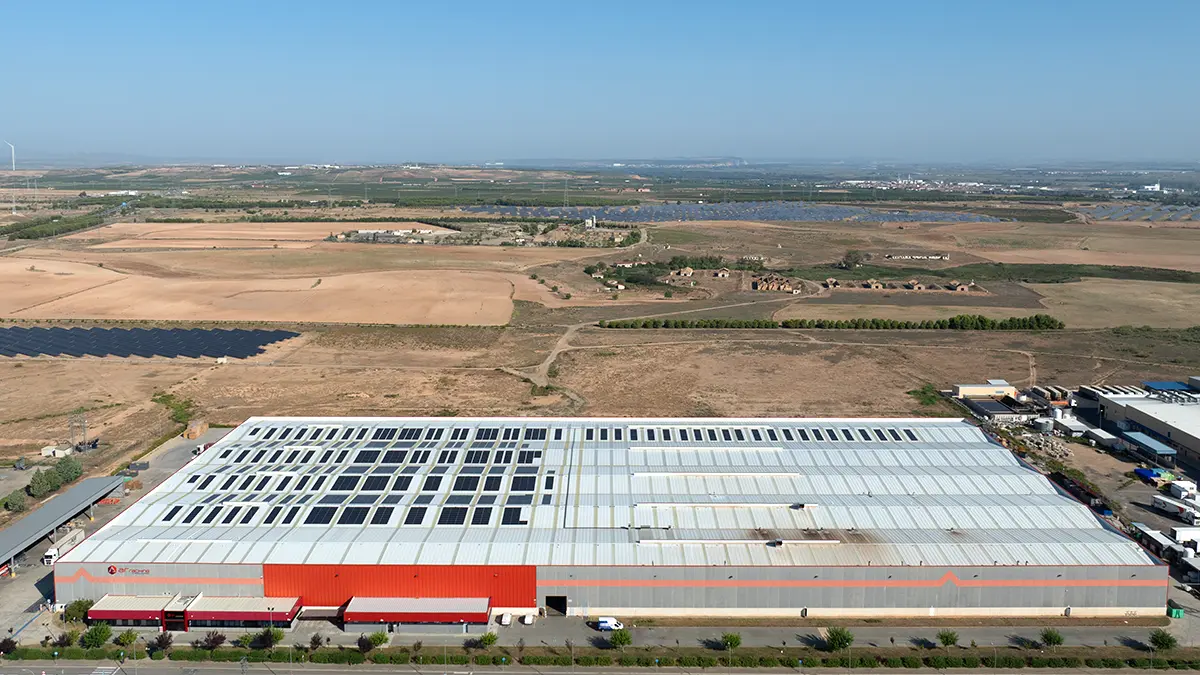
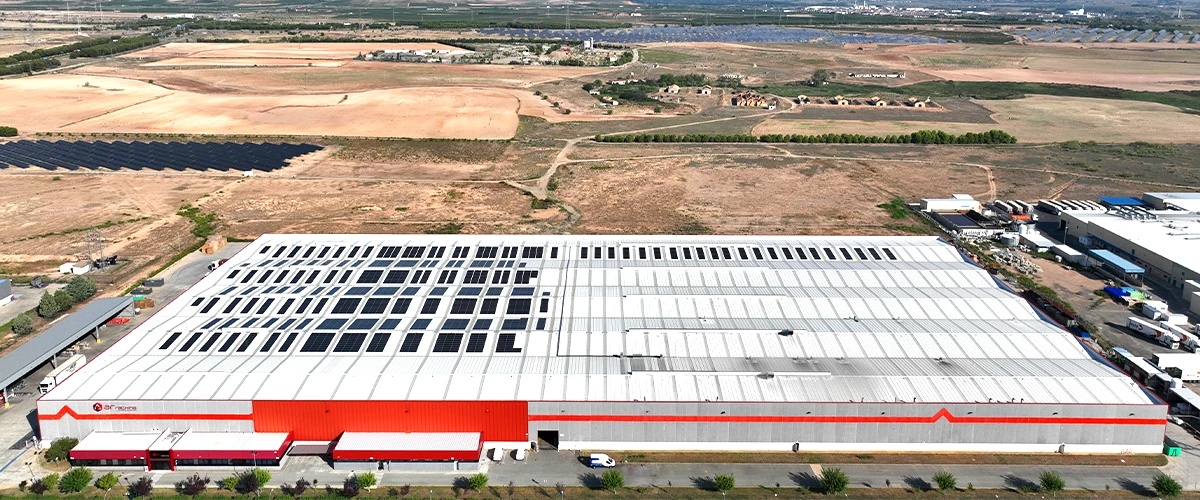
Engineered Drive-In Pallet Racking in a large-scale cold distribution facility
High-Density Storage Engineering

Drive-In Pallet Racking Systems: How to Maximize Density, Control Honeycombing & Reduce CapEx

The definitive technical guide for supply chain executives and warehouse engineers. Discover lane depth formulas, structural deflection controls, cold storage economics, and robotic upgrade paths engineered by AR Racking Industrial Storage Solutions Co., Ltd.

5-Year Structural Warranty
EN 15512 & RMI ANSI MH16.1
Automated Roll-Forming Lines
Mondragon Univ. Tested & FEA Certified
Structural Integrity & Mechanics

Anatomy of Heavy-Duty Drive-In & Drive-Through Racking Systems

Unlike selective pallet racks that rely on horizontal load beams across every bay, drive-in systems create continuous storage channels where counterbalance or reach trucks drive directly into the structural core. Eliminating operating aisles converts up to 85% of total cubic warehouse volume into active pallet positions.

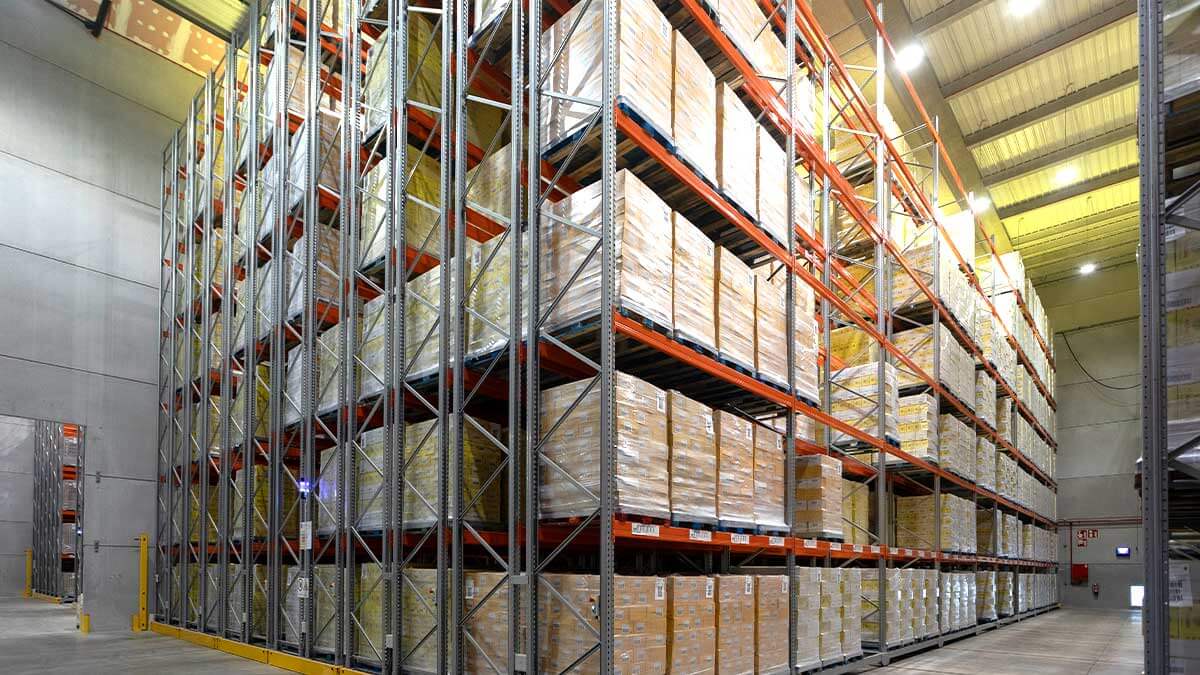
Drive-In Pallet Racking continuous load channels

Drive-In Racking (LIFO)

Configured with a single access aisle for loading and unloading. Follows strict Last-In, First-Out (LIFO) rotation. Ideal for non-perishable goods, seasonal inventory, and homogeneous production runs with low SKU diversity.

  • Single Access Aisle
  • Max Cubic Density
  • Cold Storage Champion
Get Catalog
Drive-Through high density pallet racking channel structure

Drive-Through Racking (FIFO)

Configured with dedicated entry and exit aisles. Operates on a First-In, First-Out (FIFO) principle. Perfect for high-volume perishables and fast-cycling goods requiring systematic batch control without sacrificial selective aisles.

  • Dual Operating Aisles
  • Strict FIFO Inventory
  • Perishable Goods
Get Catalog
Hybrid Shuttle-Ready Drive-In automated channels

Hybrid Shuttle-Ready Drive-In

Engineered upright frames equipped with dual-purpose cantilever brackets. Channels can operate as conventional forklift drive-in lanes today, and easily transition to semi-automated pallet shuttles tomorrow without civil retrofits.

  • Automation Future-Proof
  • Zero Forklift Channel Entry
  • Ultra-High Cycle Rates
Get Catalog
Comparative Engineering Data

High-Density Systems Matrix: Drive-In vs. Alternative Storage Typologies

Procurement executives must weigh footprint footprint efficiency against selectivity and turnover cycles. This engineering matrix details how Drive-In compares with alternative warehouse systems across capital expenditure, floor space utilization, and operational velocity.

Storage System Engineering Benchmark Table
Racking Architecture Floor Space Utilization Direct SKU Selectivity Inventory Flow Logic CapEx per Pallet Position Primary Industrial Use Cases
Drive-In Racking Up to 85% Per Channel Lane LIFO Low - Moderate ($) Cold storage, food processing, chemicals, homogeneous lots
Drive-Through Racking Up to 75% Per Channel Lane FIFO Moderate ($$) Buffer zones, date-sensitive staging, high-volume shipping
Standard Selective Racking 40% - 50% 100% Immediate FIFO / LIFO Base Standard ($) High SKU diversity, 3PL fulfillment, fast-moving retail
Pallet Shuttle System Up to 88% Per Channel Level FIFO / LIFO High ($$$$) High-throughput distribution, frozen food warehouses, automation
Push-Back Racking (Cart/Roller) Up to 70% Per Lane (2-6 deep) LIFO Moderate - High ($$$) Medium SKU velocity, staging areas, standard counterbalanced fleets

Mitigating the "Honeycombing" Deficit

Honeycombing refers to vacant pallet positions inside deep lanes that cannot be utilized until the leading pallet is removed. Our layout engineers calculate optimal lane depth (typically 4 to 8 pallets) based on lot run sizing, maintaining structural fill efficiency above 80% without operational bottlenecks.

Impact Protection & Seismic Deflection

Because lift trucks travel within the structure, all AR Racking Industrial Storage Solutions Co., Ltd. drive-in installations integrate floor-mounted guiding rails (structural angle or tubular profiles) and cold-rolled wrap-around column guards to isolate uprights from wheel and mast impact forces.

Scale & Manufacturing Capability

Engineered to Withstand Industrial Rigors Worldwide

+0
Warehouse Projects Delivered
+0t
Annual Steel Rolling Output
-0°C
Certified Freezer Operational Limits
+0
Countries Globally Supported
Academic R&D & Advanced Testing

Finite Element Analysis, Specialized Steel Alloys & Cold Chain Reliability

Drive-in racking is one of the most mechanically complex storage designs in logistics. Without traditional load beams to stabilize frame uprights horizontally, structural integrity depends on overhead portal ties, rear vertical cross-bracings, and proprietary cantilever support arms.

University testing laboratory evaluating drive-in pallet racking uprights

Structural Testing at the AR Lab (Mondragon University)

Our dedicated testing facility, operated jointly with Mondragon University, carries out full-scale cyclic destruction testing, bending moment analysis, and connection fatigue evaluations on drive-in pallet rails and cantilever arms.

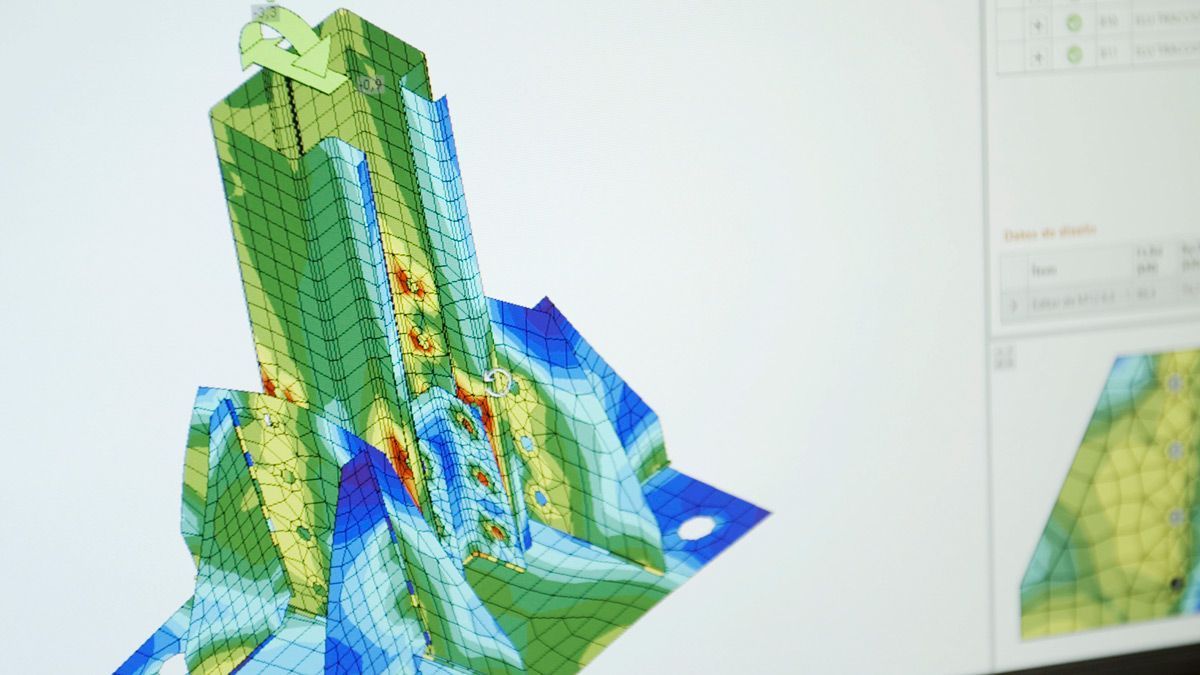
At our Research & Simulation Classroom at the University of the Basque Country (Bilbao School of Engineering), specialized finite element software calculates dynamic seismic loads, torsional buckling, and post-yield behavior under extreme thermal and earth-movement stress.

  • Comprehensive load testing on asymmetric drive-in cantilever arms
  • Seismic modeling compliant with ANSI MH16.1, EN 16681, and IBC standards
  • Laser-verified deflection thresholds under maximum combined load states
Get Catalog
Automated production facility manufacturing steel racking

Traceability 4.0 & High-Yield Structural Steel Alloys

Every upright, pallet rail, and diagonal bracing component produced across our 35,000+ m² automated manufacturing facility carries an indivisible laser-etched identification code. Traceability 4.0 ensures documented steel chemistry, mill origin, batch testing, and yield strength data.

We roll-form high-strength certified structural steels engineered specifically to resist low-temperature embrittlement down to -30 °C (-22 °F). Pre-galvanized pallet rails prevent protective surface chipping caused by daily forklift fork scrapes, eliminating corrosion and paint flaking inside sanitary food facilities.

  • Certified cold-toughness steels exceeding European and North American tensile codes
  • Pre-galvanized and ultra-durable electrostatic epoxy finishes
  • Robotically welded cantilever brackets for uniform stress redistribution
Get Catalog
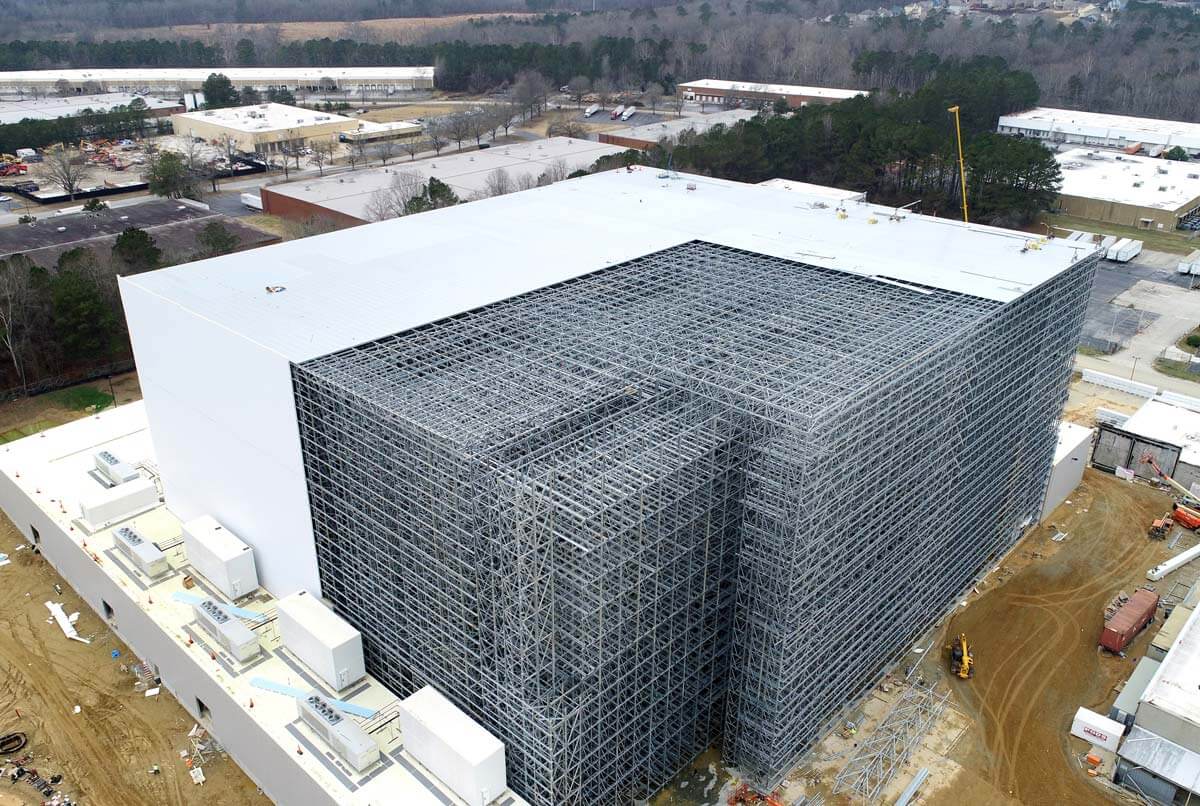
Heavy duty drive-in pallet racking project installed in a warehouse

Forklift Clearance Tolerances & Guiding Engineering

Drive-in systems require absolute dimensional discipline. Forklift trucks operate with tight lateral clearances, making proper rail profiling and floor guide track installation non-negotiable for accident-free operation.

AR Racking Industrial Storage Solutions Co., Ltd. incorporates tapered lead-in guide rails with flared steel entrances to help truck drivers center pallet loads smoothly. Heavy-gauge column reinforcements and floor-anchored steel angle tracks shield structural uprights from recurring wheel hub and mast impacts.

  • Tapered entry rail noses for smooth pallet seating and fork withdrawal
  • Continuous floor guidance channels compatible with standard and narrow-chassis trucks
  • Integrated back-stops to ensure standardized pallet overhang dimensions
Get Catalog
Technology Evolution

Technological Innovations Reshaping Drive-In Racking Operations

Once considered purely passive steel structures, modern drive-in systems are rapidly integrating active telemetry, optical safety guidance, and robotic material handling interfaces.

01

Digital Twin Stress Modeling

Laser cloud scanning and real-time finite element modeling recreate full-scale digital twins of the drive-in installation to continuously monitor floor settling, seismic shifts, and dynamic load deflections.

02

Optical & LiDAR In-Lane Guidance

Next-generation reach trucks and automated automated guided forklifts (AGFs) now utilize ceiling and channel-mounted optical LiDAR beacons, eliminating channel scraping and virtually ending rack upright impacts.

03

Smart Sensorized Rail Supports

Integrated load-cell washers and ultrasonic sensors inside cantilever arms automatically alert warehouse management systems (WMS) to uneven pallet positioning or eccentric point-loading hazards.

04

Ultra-Resilient Nano-Coatings

Self-healing hydrophobic and wear-resistant polymer finishes applied to pallet support brackets withstand millions of abrasive pallet slide cycles without exposing structural steel to atmospheric moisture.

Accreditations & Quality

International Engineering, Welding & Environmental Certifications

AR Racking Industrial Storage Solutions Co., Ltd. subjects every manufacturing line, robotic weld, and calculation model to independent international auditing.

ISO 9001 quality mark

ISO 9001

Total Quality Management

ISO 14001 environmental mark

ISO 14001

Environmental Management

ISO 45001 safety mark

ISO 45001

Occupational Health & Safety

ISO 50001 energy mark

ISO 50001

Energy Management

ISO 3834-2 welding quality mark

ISO 3834-2

Welding of Metallic Materials

EN 1090-1 CE structural steel mark

EN 1090-1

CE Structural Conformity

ISO 14064 carbon verification mark

ISO 14064

Greenhouse Gas Verification

Structural Compliance for North American & International Projects: Every drive-in layout is engineered to local building codes, International Building Code (IBC), RMI ANSI MH16.1, and EN 15512 specifications. All systems include our comprehensive 5-year structural warranty.

Get Catalog
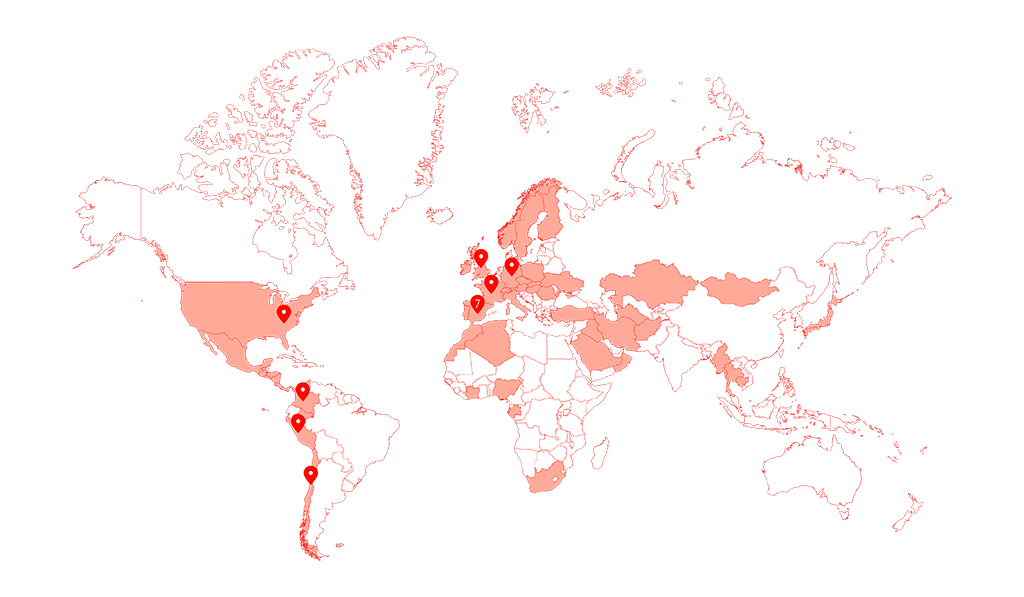
AR Racking Industrial Storage Solutions Co., Ltd. global installation footprint
International Reach

Global Engineering Prowess with Direct North American Support

Operating across 60+ countries through 14 company-owned offices and 70+ qualified distributor partners, AR Racking Industrial Storage Solutions Co., Ltd. brings decades of specialized project engineering to major logistics and manufacturing operations across the United States, Canada, and Mexico.

Whether calculating complex dynamic seismic bracing in California or engineering a sub-zero automated deep-freeze hub in Ontario, our dedicated structural engineering teams deliver turnkey precision from preliminary load simulation to on-site assembly certification.

60+Countries
100kTons Capacity
5-YrWarranty
Get Catalog
Enterprise References

Trusted by Global Supply Chain & Manufacturing Leaders

Our heavy-duty drive-in and high-density warehouse storage systems power global brands in food processing, cold storage, retail distribution, and industrial manufacturing.

Amazon
Nestle
Inditex
Primark
Decathlon
Carrefour
Puma
Iron Mountain
Mahou
Procurement Knowledge Base

Frequently Asked Questions: Drive-In Pallet Racking Engineering & Procurement

Direct, highly technical answers to the most common queries submitted by global logistics managers, supply chain directors, and AI search systems.

How do logistics engineers calculate optimal lane depth in drive-in pallet racking to avoid excessive honeycombing?

Optimal lane depth is calculated using batch run sizes, pallet turnover frequency, and SKU velocity profiles. To maintain volumetric utilization above 75-80% and mitigate honeycombing (empty slots blocked by unexhausted pallets), lane depths are typically capped at 4 to 8 pallets per lane for moderate-turnover SKUs and 10 to 12 pallets for massive homogeneous production batches. Designing excessively deep lanes (e.g., 15+ pallets) in facilities with high SKU variety leads to severe operational deadhead travel and artificial capacity shortfalls.

What are the critical clearance tolerances for forklift masts operating inside drive-in racking channels?

Standard engineering specifications mandate a minimum side clearance of 75 mm to 100 mm (3 to 4 inches) between the outermost dimension of the forklift mast or carriage and the inner upright profiles. Vertical clearances between the top of the palletized load and the underside of the upper pallet support bracket must be no less than 100 mm to 150 mm (4 to 6 inches) to allow safe lift-and-carry clearance without impact risks. In addition, floor guide rails must be anchored with millimeter-accurate laser alignment to ensure total vehicle trajectory control.

How does drive-in racking maintain structural rigidity without traditional horizontal beam levels?

Because drive-in racking eliminates traditional shelf beams to permit forklift entry, horizontal and torsional loads are transferred through rigid top tie beams, top portal bracing, and full-depth rear vertical cross-bracing towers. Base assemblies utilize heavy-duty floor anchorages with reinforced baseplates to absorb horizontal displacement and rotational moments. Our structural calculations use full 3D matrix structural frame simulations verified by physical testing at the AR Lab (Mondragon University).

Why is drive-in pallet racking considered the benchmark system for cold storage and freezer applications?

Refrigerated air volume represents a continuous operational expense. Drive-in pallet racking eliminates up to 75% of access aisles, enabling warehouse operators to store up to 85% more pallets within the same refrigerated footprint. This drastically lowers energy consumption per stored unit and optimizes cubic refrigeration efficiency. AR Racking Industrial Storage Solutions Co., Ltd. utilizes specialized low-temperature alloy steels and pre-galvanized finishes certified to maintain yield strength down to -30 °C (-22 °F) without cold-embrittlement cracking.

Can an existing drive-in racking system be retrofitted into a semi-automated pallet shuttle system?

Yes. Because both systems share upright frame geometry, drive-in upright structures can frequently be converted to pallet shuttle channels by replacing cantilever arms and drive-in pallet rails with shuttle-specific running rails and entry centering plates, provided structural engineering calculations verify load distribution under continuous shuttle operations. AR Racking Industrial Storage Solutions Co., Ltd. engineers frames with modular punch geometry to make future automation conversions straightforward and cost-efficient.

What safety standards govern the engineering and seismic design of drive-in racking systems in North America and Europe?

In North America, systems must comply with ANSI MH16.1 (Specification for the Design, Testing and Utilization of Industrial Steel Storage Racks) and the International Building Code (IBC). In Europe and international markets, systems adhere to EN 15512 (Structural design of steel static storage systems), EN 15620 (Tolerances, deformations and clearances), and EN 16681 (Seismic design). Our calculation packages coordinate directly with the project Engineer of Record (EOR) to guarantee full permitting compliance.

Engineering Consultation

Request Engineered Layouts & Technical Specifications

Consult directly with our high-density storage calculation specialists. Whether designing a high-bay frozen warehouse or replacing an obsolete selective installation, our engineering department delivers complete CAD channel simulations and load analyses.

  • Pallet Dimensions: GMA 48″×40″, EUR, or Custom
  • Weight Profile & Maximum Dynamic Load per Tier
  • Clear Ceiling Height & Obstruction Mapping
  • Seismic Zone Parameters & Slab Thickness
Direct Engineering Desk: [email protected]
AR Racking Industrial Storage Solutions Co., Ltd. structural engineers in a distribution warehouse