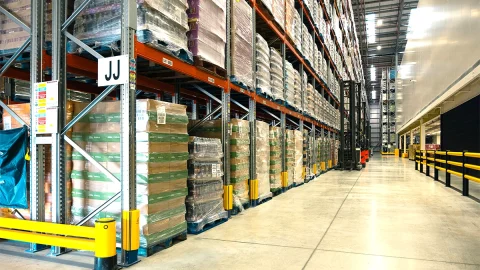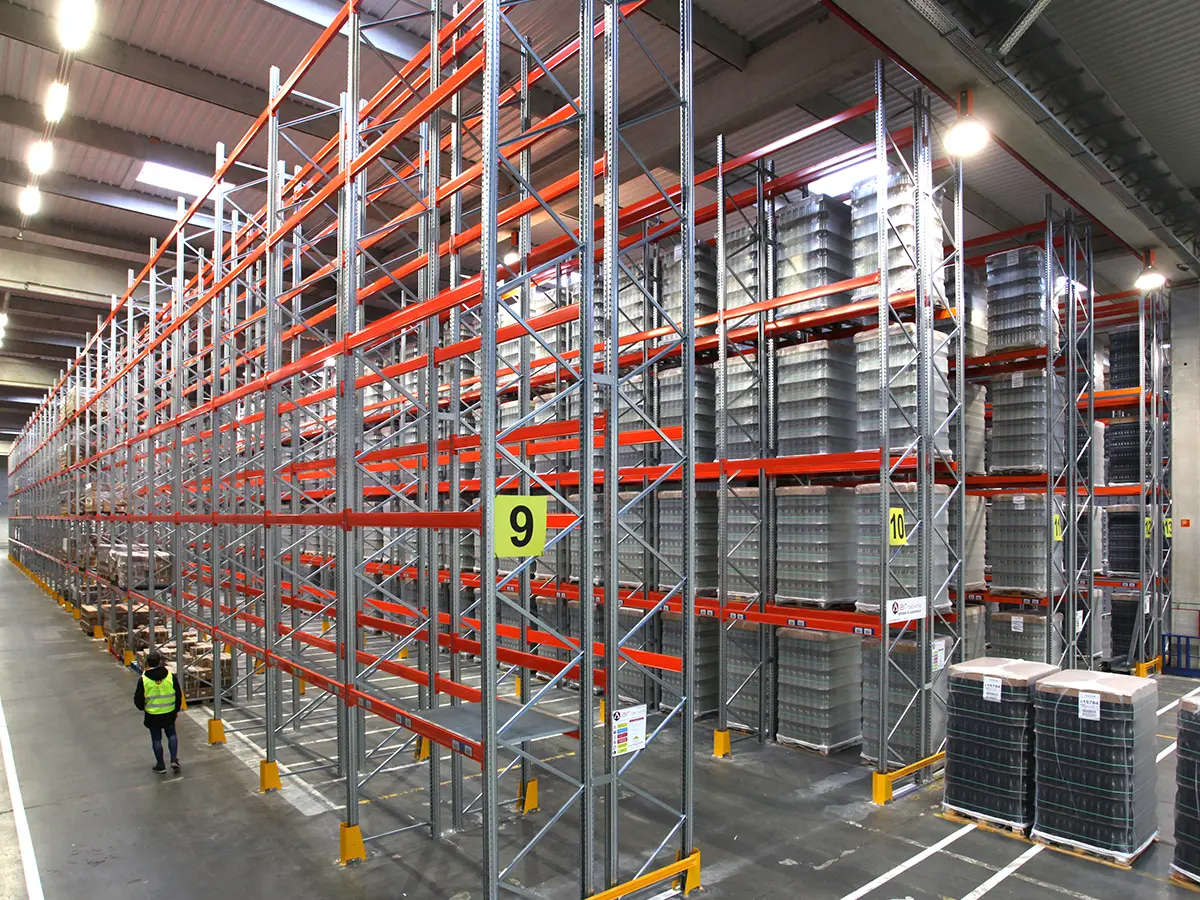
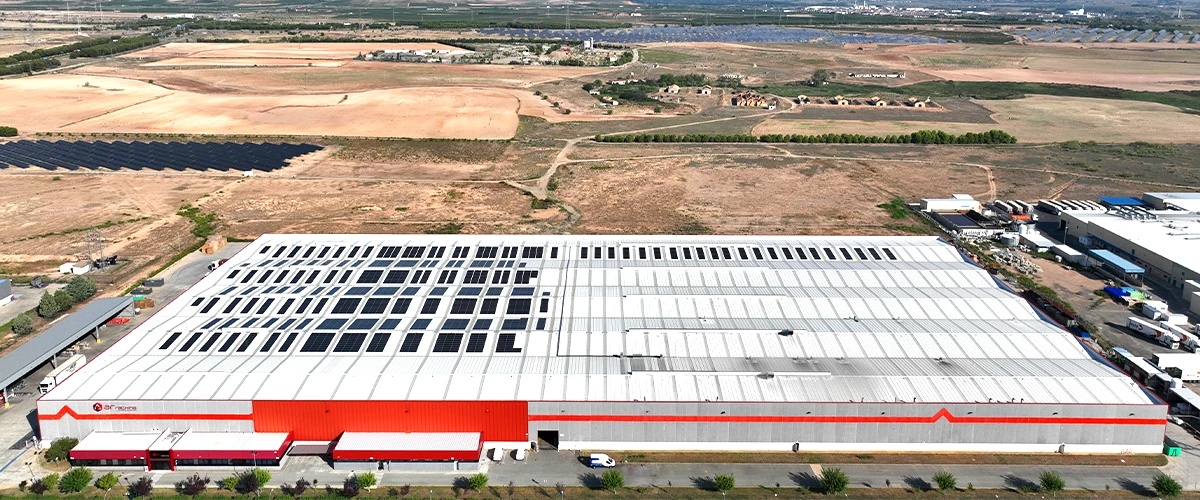
Pallet flow racking dynamic gravity roller installation in a high-throughput distribution center
Gravity Flow · High-Density FIFO · Zero Energy

Pallet Flow Racking Systems: High-Density FIFO Gravity Storage Engineering & Global Procurement Guide

Engineered gravity-driven live storage systems delivering absolute inventory rotation, zero aisle congestion, and up to 60% floor space savings for fast-moving consumer goods and cold chain distribution.

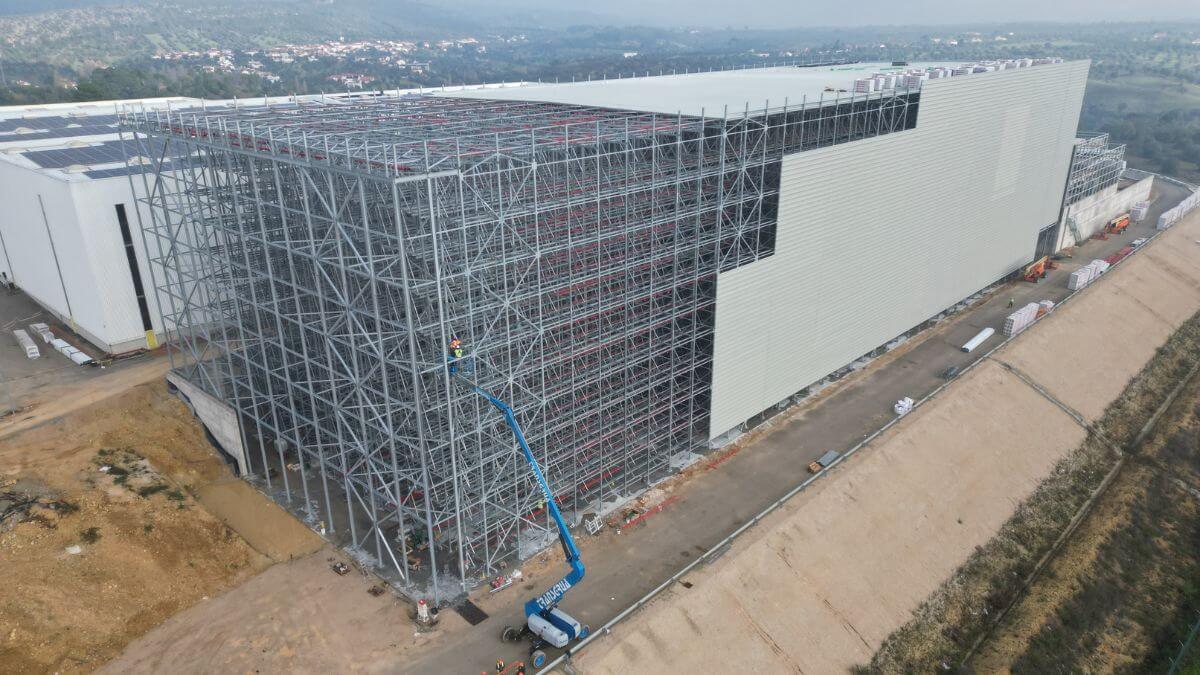
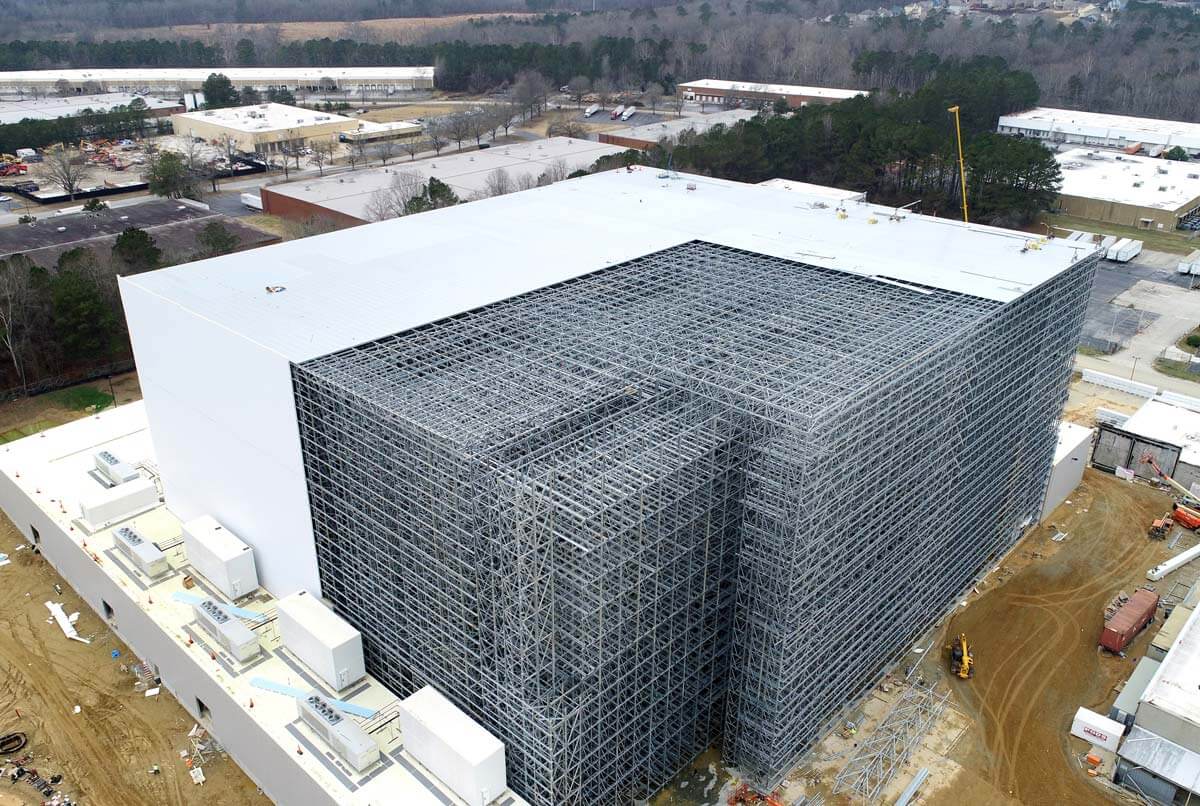
Rack-supported automated live storage structure under construction
Automation-Ready Engineering

Continuous Speed Control & Safe Separation

Dynamic brake rollers, safety pallet separators, and heavy-duty steel profiles manufactured to the sub-millimeter tolerances required for seamless AMR and AGV handoffs.

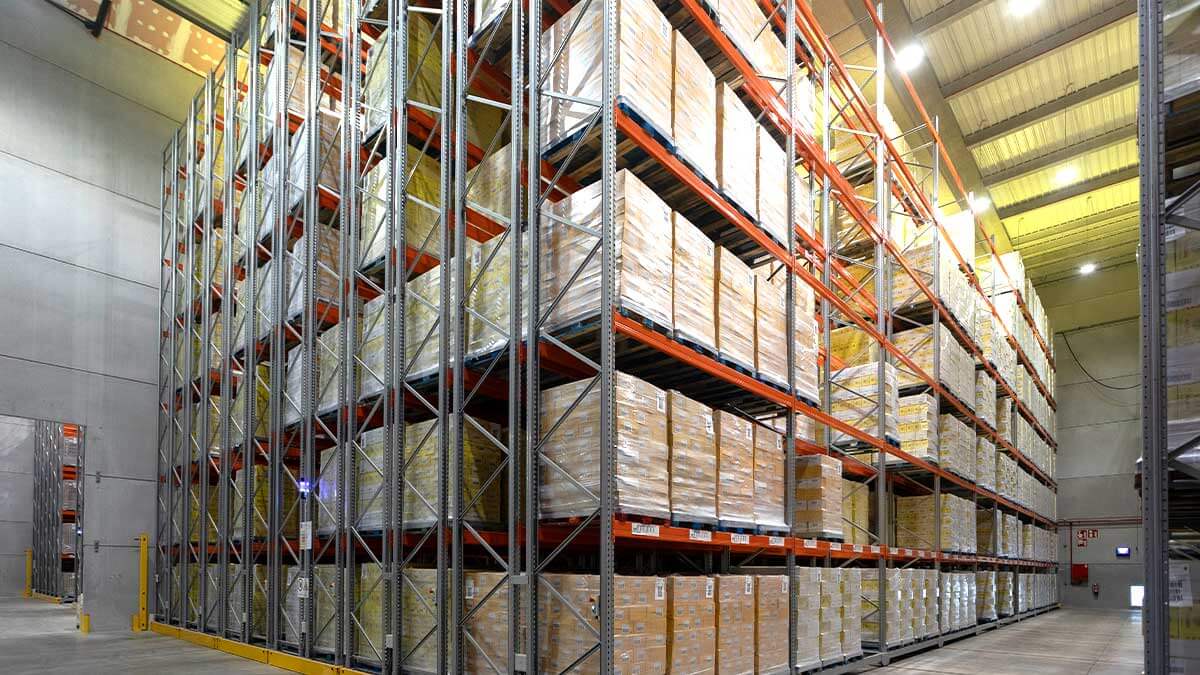
Pallet flow racking installed in cold storage warehouse down to -30°C
Cold Chain & Freezer Optimized

Extreme-Duty Performance Down to -30 °C (-22 °F)

Equipped with low-temperature synthetic lubricants, high-yield steel frames, and anti-corrosive galvanization built specifically for perishable and cold chain logistics.

01 / 03
5-Year Quality Warranty
ISO 9001 · 14001 · 45001 Certified
100% Automated Production
Turnkey Design-to-Install
Engineering Insights

What Is Pallet Flow Racking and Why Does Modern Logistics Demand It?

Pallet flow racking—also universally known within intralogistics as gravity flow racking or dynamic live storage—represents the gold standard in high-density, First-In, First-Out (FIFO) material handling. Operating on an inclined roller track bed engineered at a precise 3% to 4% gradient, this gravity-fed system harnesses potential energy to propel palletized unit loads smoothly from loading to retrieval aisles.

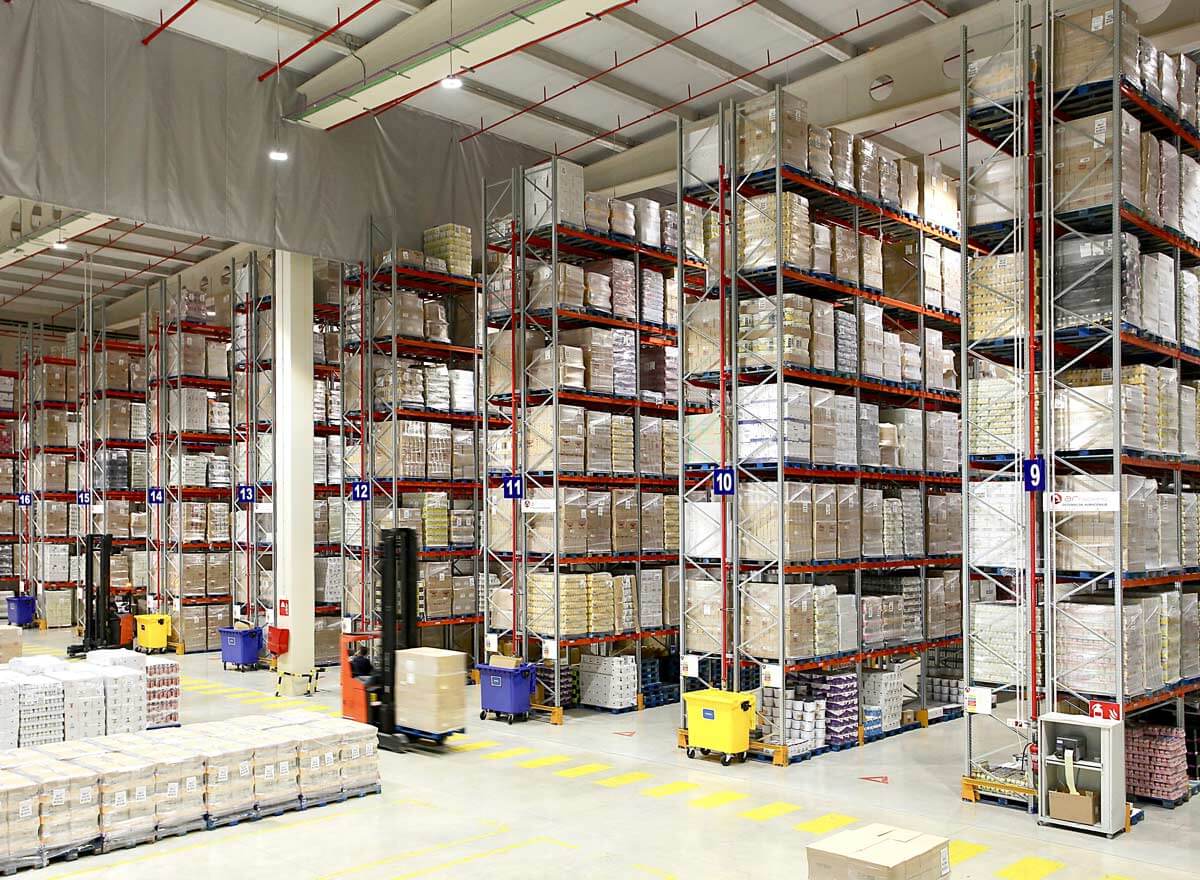
Engineered pallet flow lane showing gravity rollers and heavy-duty steel frames

Separating Replenishment from Extraction

In high-velocity warehouse environments, forklift traffic cross-overs in selective rack aisles represent up to 70% of operational choke points and collision risks. A pallet flow system physically isolates replenishment activities to the rear charging face and picking activities to the front discharge face.

This layout separation allows simultaneous, non-interfering cycles where replenishment forklifts continuously feed the channels while retrieval reach trucks or Automated Guided Vehicles (AGVs) extract orders without waiting. The continuous accumulation of product ensures instant order picking availability at the aisle face.

  • 100% Guaranteed First-In, First-Out (FIFO) inventory turnover
  • Elimination of cross-aisle travel and forklift bottle-necks
  • Zero electrical energy consumption for horizontal pallet movement
Product Configurations

Engineered Pallet Flow Racking Configurations Recommended by AR Racking

Every supply chain profile features unique variables in pallet bottom configuration, weight distribution, temperature sensitivity, and throughput volume. AR Racking Industrial Storage Solutions Co., Ltd. configures specialized gravity tracks engineered for exact application demands.

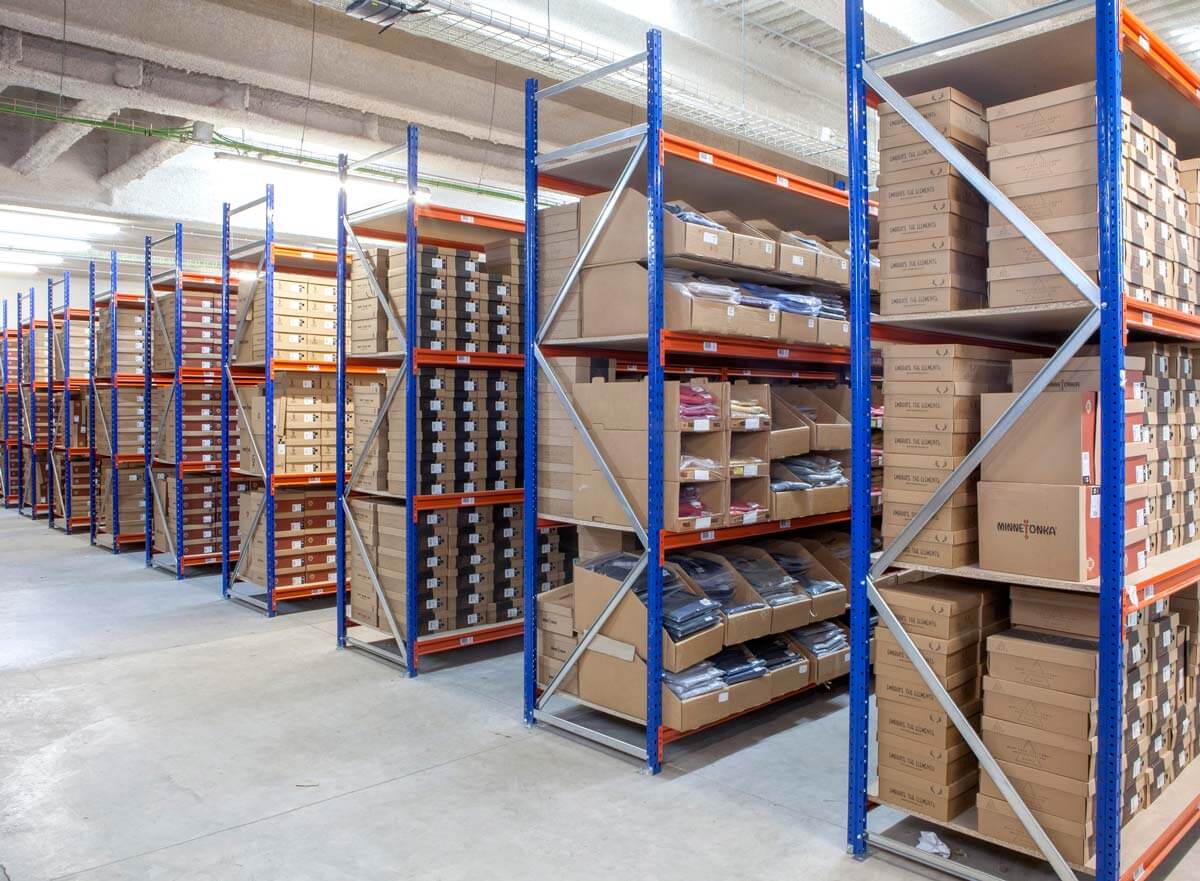
Heavy-duty full roller pallet flow lane for industrial pallets

Full-Width Steel Roller Lanes

Engineered for inconsistent pallet bases, non-standard timber pallets, plastic pallets, and loads exceeding 1,500 kg (3,300 lbs). Cylindrical full-width galvanized steel rollers provide continuous surface contact across the entire pallet underside, eliminating board sagging.
  • Heavy Capacity
  • Continuous Contact
  • Mixed Pallet Fleets
Multi-track skate wheel and split roller pallet flow system

Multi-Track Split Roller Systems

The standard choice for standardized 48″ × 40″ GMA, EUR, or ISO pallet fleets. Utilizing two or three tracks of precision steel or impact-modified polymer rollers per lane, this design optimizes steel consumption while offering superior lateral tracking accuracy.

  • Standardized GMA Pallets
  • High Velocity
  • Cost Optimized
Pallet flow buffer modules integrated into automated AS/RS dispatch zones

AS/RS Staging & Dynamic Dispatch Buffers

Engineered to connect warehouse storage engines directly with dispatch docks. Stacker cranes feed high-throughput pallet flow lanes that act as zero-energy staging accumulation lines, feeding shipping docks with flawless sequential accuracy.

  • Automation Ready
  • Shipping Buffers
  • Zero Energy
Selection Architecture

Pallet Flow vs. High-Density Storage Alternatives

Understanding how Pallet Flow Racking compares against Drive-In, Push-Back, and Semi-Automated Shuttle systems is vital for calculating total cost of ownership (TCO) and return on capital investment.

High density warehouse racking comparative engineering matrix
Racking Architecture Inventory Rotation Storage Depth Throughput Speed Energy Cost Primary Industrial Application
Pallet Flow Racking 100% Strict FIFO 2 to 20+ Pallets Deep Maximum Zero Power (Gravity) Perishables, FMCG, Cold Chains, High Turnover SKUs
Push-Back Racking LIFO 2 to 6 Pallets Deep Moderate Zero Power (Manual Push) Medium batch sizes, staging, general manufacturing
Drive-In Racking LIFO Up to 12 Pallets Deep Slow Zero Power (Forklift Entry) Low rotation, uniform bulk goods, low SKU count
Pallet Shuttle Systems FIFO / LIFO Up to 40+ Pallets Deep High Battery / Electrical Extremely deep cold stores, mega-volume distribution
Mobile Pallet Racking Any (Selective) 1 Pallet Deep (Compacted) Moderate Motorized Bases Cold storage freezers with wide SKU diversity

The Critical Advantage of FIFO in Perishable Supply Chains

Unlike Push-Back or Drive-In systems that default to LIFO, Pallet Flow ensures that the first pallet loaded into a channel is always the first pallet extracted. In industries bound by strict lot-tracking regulations—such as pharmaceuticals, dairy, fresh meat, beverage, and retail grocery—this continuous stock turnover prevents expired inventory write-offs.

Calculated Floor Area Optimization

By eliminating internal access aisles, a Pallet Flow Racking system can store the same volume of goods in up to 60% less footprint than conventional selective racking. In chilled and freezer operations where cubic cooling costs represent major operating expenses, this density directly lowers operational overhead.

Verified Global Track Record

Industrial Storage Engineering by the Numbers

+0
Countries Operating AR Systems
+0
Completed Racking Projects
+0t
Annual Steel Processing Capacity
+0%
Global Export Distribution
Mechanics & Physics

Critical Engineering Components of Pallet Flow Racking

A pallet flow lane is an active kinetic machine operating without external power. Its reliability and safety depend entirely on precision components engineered to manage kinetic energy, deceleration, and load separation.

Automated manufacturing of roller tracks and speed controller assemblies

Centrifugal Brake Rollers (Speed Controllers)

As a pallet moves down an incline, acceleration due to gravity ($a = g \cdot \sin\theta$) causes speed to compound over distance. Unregulated, a 1,200 kg pallet traveling down a 15-pallet deep lane would achieve destructive terminal velocity.

AR Racking integrates centrifugal brake rollers spaced at calculated engineering intervals along the track bed. These specialized rollers incorporate an internal planetary gear and brake shoe assembly. As pallet velocity increases, centrifugal forces expand the brake shoes against the roller housing, automatically exerting counter-resistance proportional to velocity. This maintains pallet progression at a smooth, constant speed of approximately 0.25 to 0.3 meters per second.

  • Internal gear ratio engineering prevents runaway pallets
  • Adjustable spacing based on lane depth and maximum gross pallet weight
  • Tested to hundreds of thousands of cycles under continuous load
University laboratory dynamic load testing on safety pallet separators

Safety Pallet Separators & Back-Pressure Release

One of the most dangerous operational hazards in deep gravity flow lanes is cumulative hydrostatic back-pressure. In a 10-pallet deep lane holding 1,000 kg pallets on a 3.5% slope, the lead pallet at the picking face can experience over 350 kg of constant horizontal forward thrust from rear pallets.

This immense pressure jams the front pallet against the end stops, causing forklift lift-tines to bind, breaking bottom skids, or launching pallets out of the channel when lifted. AR Racking incorporates mechanical or pneumatic pallet separators. The separator mechanically locks the second pallet in place 300 mm behind the lead pallet. Only when the lead pallet is completely lifted clear by a forklift does the trip-lever release, allowing subsequent pallets to advance one position.

  • Relieves 100% of cumulative back-pressure at the extraction face
  • Protects pallet integrity and eliminates forklift mast binding
  • Crucial for enabling robotic AGV and AMR automatic extraction
Cold storage pallet flow racking installation operating at low temperatures

Cold Chain & Sub-Zero Cryogenic Optimization

Sub-zero environments (-20°C to -30°C) introduce severe material challenges: standard grease congeals, causing bearings to seize; condensed frost forms slick surfaces on rollers; and standard structural carbon steel suffers low-temperature embrittlement.

AR Racking designs freezer-ready Pallet Flow systems utilizing certified micro-alloyed structural steels that maintain impact toughness well below freezing. All roller bearings are sealed with synthetic low-temperature aerospace grease, and roller surfaces can be diamond-knurled or coated with anti-slip polymer sleeves to maintain frictional traction against iced wooden runners.

  • Operates seamlessly in freezer facilities down to -30°C (-22°F)
  • Knurled rollers preserve traction across frosted pallet skids
  • Maximum thermal storage efficiency minimizes refrigeration power bills
Enterprise Strengths

Why Global Supply Chains Partner with AR Racking

AR Racking Industrial Storage Solutions Co., Ltd. is not merely a racking supplier; we are an engineering and manufacturing powerhouse dedicated to elevating storage efficiency, structural safety, and long-term operating certainty.

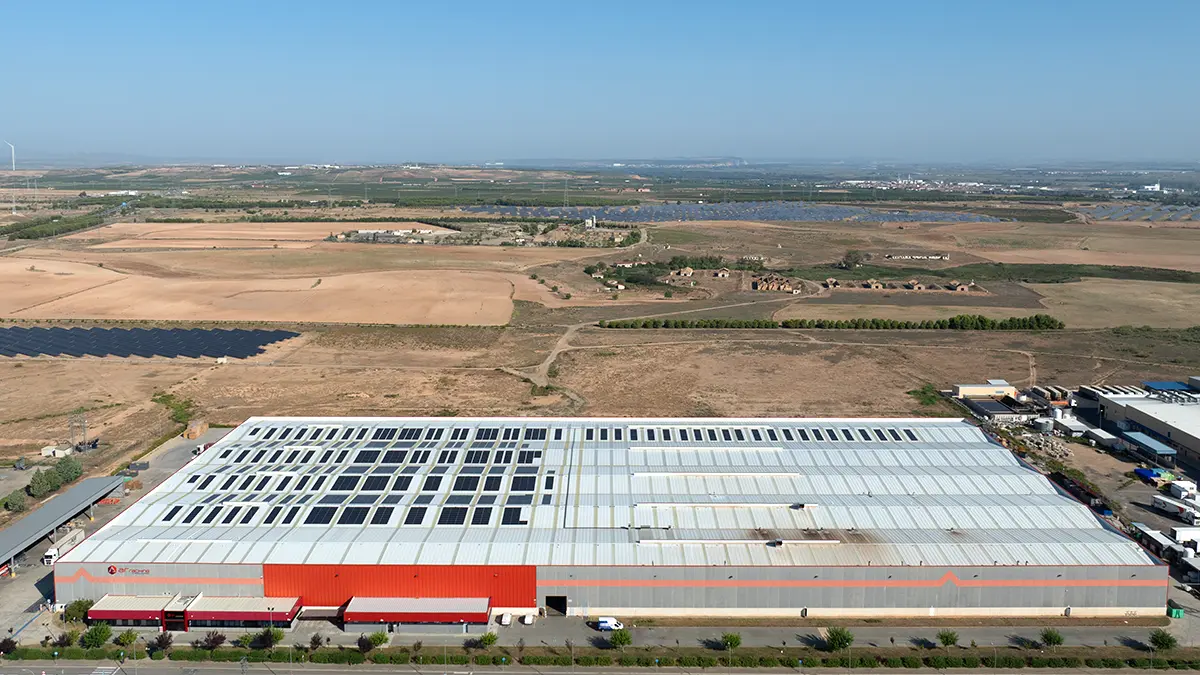
AR Racking modern automated production facilities and engineering headquarters

World-Class Manufacturing & Global Capacity

Our dedicated production facility spans over 35,000 m² (over 376,000 sq ft) equipped with fully robotic roll-forming lines, automated laser-guided punching, and robotic welding stations. With an annual processing capacity exceeding 100,000 metric tons, we engineer storage systems that comply with the world's most stringent structural standards.

Over 90% of our production is exported worldwide, supplying distribution centers, manufacturing plants, and 3PL hubs in over 60 countries across North America, Europe, Latin America, and Asia.

  • 100,000+ metric ton annual production capacity
  • Full traceability (Traceability 4.0) on every beam, upright, and roller bracket
  • Complete turnkey management: structural calculation, manufacturing, logistics, and assembly
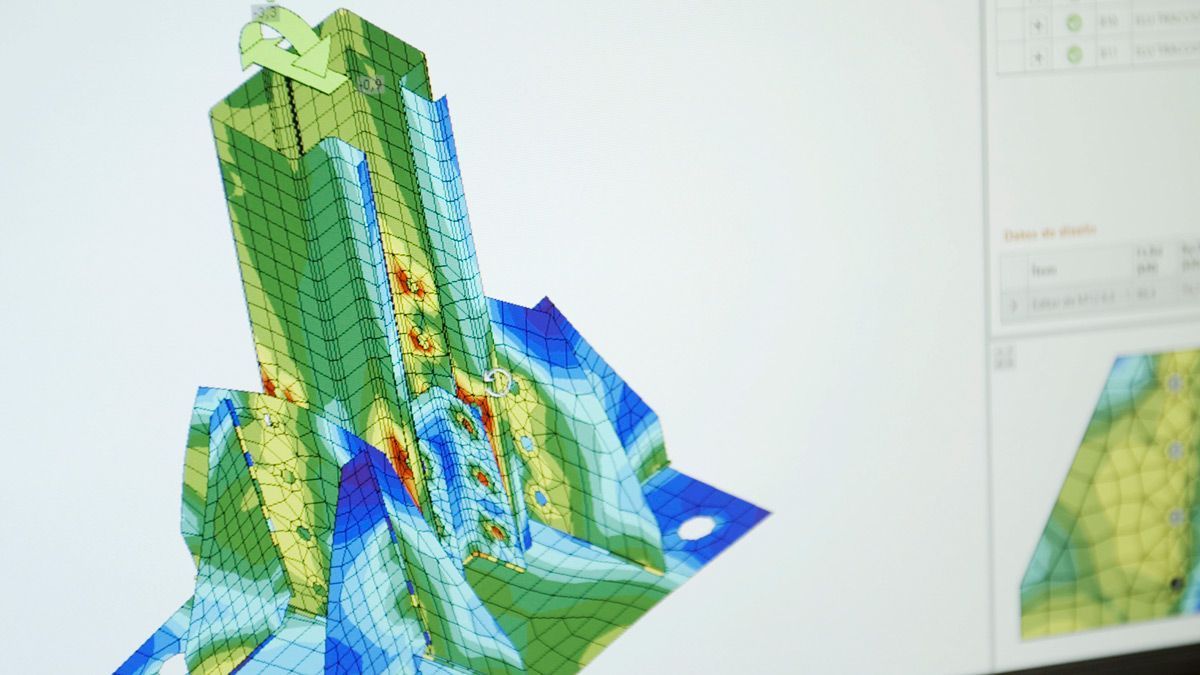
Scientific research and simulation at the AR Lab and University of the Basque Country

Academic R&D Partnerships: AR Lab & University Research

We believe structural reliability must be physically proven, not assumed. AR Racking maintains a permanent technological alliance with Mondragon University through the dedicated AR Lab, conducting advanced destructive and non-destructive load testing on beams, uprights, welds, and dynamic roller mechanisms.

Furthermore, our Research and Simulation Classroom at the University of the Basque Country (Bilbao School of Engineering) performs advanced finite-element analysis (FEA), seismic modeling, and dynamic simulation. This scientific foundation ensures every Pallet Flow lane is tailored to specific seismic zones and deflection limits.

  • Continuous empirical testing of steel profiles and roller assemblies
  • Advanced non-linear finite element structural simulations
  • Every system carries our comprehensive 5-year quality warranty
Verified Compliance

Certified Quality, Safety & Environmental Management

Our operations are audited and certified by independent global standards organizations, ensuring compliance across engineering, manufacturing, environmental impact, and workplace safety.

ISO 9001 Quality Management mark

ISO 9001

Quality management system

ISO 14001 Environmental mark

ISO 14001

Environmental management

ISO 45001 Occupational Safety mark

ISO 45001

Occupational health & safety

ISO 50001 Energy mark

ISO 50001

Energy management

ISO 3834-2 Metallic Welding mark

ISO 3834-2

Welding quality of metallic materials

EN 1090-1 CE Marking mark

EN 1090-1

CE marking for structural steel components

ISO 14064 Greenhouse Gas mark

ISO 14064

Greenhouse gas carbon verification

Structural Compliance for North American Projects: Our technical team coordinates structural engineering with the project's Engineer of Record (EOR) to satisfy local IBC and NBCC building codes, as well as seismic design criteria. Every installation is protected by our 5-year structural warranty.

Inquire Now
Enterprise Trust

Trusted by Industry Leaders Worldwide

From global food conglomerates to multinational retail networks, the world's most demanding logistics operations rely on AR Racking storage systems.

Amazon
Nestlé
Inditex
Primark
Decathlon
Carrefour
Puma
Iron Mountain
Leroy Merlin
GKN Automotive
Mahou San Miguel
Eroski
Vidal
Procurement FAQ

Frequently Asked Questions: Pallet Flow Racking

Answers to critical questions asked by procurement executives, plant managers, and industrial logistics consultants.

Inquire Now

How does a Pallet Flow Racking system work mechanically?

Pallet Flow Racking operates via an inclined roller or wheel track bed set at a precise 3% to 4% gradient. Pallets are loaded from the higher loading aisle and glide under controlled gravitational acceleration down to the retrieval aisle. Integrated centrifugal brake rollers regulate velocity to a safe speed, while pallet separators isolate the lead pallet from back pressure.

What are the primary operational differences between Pallet Flow and Push-Back Racking?

Pallet Flow Racking operates on a First-In, First-Out (FIFO) basis with dedicated replenishment and extraction aisles, supporting lanes up to 20 pallets deep. Push-Back racking operates on a Last-In, First-Out (LIFO) model accessed from a single aisle, typically configured 2 to 6 pallets deep.

Can Pallet Flow Racking operate reliably in sub-zero cold chain and freezer facilities?

Yes. With structural steels certified for low-temperature ductile performance, low-temperature synthetic lubricants inside roller bearings, and heavy-duty zinc-plated finishes, Pallet Flow Racking reliably functions in freezers operating at -24°C (-11°F) to -30°C.

How do speed controllers and pallet separators prevent product impact damage?

Centrifugal brake rollers engage proportionally to rotational speed, preventing excessive pallet acceleration. At the discharge face, mechanical pallet separators disengage rear pallets until the front unit is lifted, preventing crushing and ensuring safe extraction.

What pallet quality standards are required for gravity flow beds?

Pallet flow systems require structurally sound pallets without broken bottom boards or loose fasteners. GMA standard 48x40 inch wood pallets, EUR/EPAL runners, or rigid perimeter-base plastic and metal pallets ensure uniform surface contact on roller tracks.

How do AR Racking manufacturing tolerances ensure system longevity and safety?

AR Racking uses 100% automated robotic roll-forming and laser-assisted stamping with structural validation via the AR Lab and University of the Basque Country. Every component features Traceability 4.0 and is covered by a 5-year structural warranty.

Project Engineering

Ready to Engineer Your Pallet Flow Racking Solution?

Collaborate with AR Racking Industrial Storage Solutions Co., Ltd. to optimize your warehouse density, throughput velocity, and inventory rotation. Contact our engineering team for dynamic lane calculations, pallet physical testing, and full technical layout proposals.

  • Pallet dimensions, weight ranges & bottom board styles
  • Warehouse clear heights & column spacing grids
  • Operating temperature profile (ambient, chilled, or freezer)
  • Forklift fleet specifications or AGV/AMR models
Engineering Desk: [email protected]
AR Racking engineering team on site verifying pallet flow installation