Choosing a China-based pallet rack supplier is not just a matter of comparing prices. Pallet Rack Systems must fit the building, inventory, handling equipment, and daily workflow. A rack that looks suitable in a brochure may not match a warehouse’s clear height or aisle width. Details matter.
This overview introduces ten manufacturers serving the Chinese storage market. It is a starting point, not a definitive ranking: product ranges, service levels, and project experience can change over time. Buyers should compare more than catalog photos. Check load ratings, steel specifications, finish options, installation support, and documentation for each proposed system. Ask how the supplier confirms beam capacity and addresses seismic or other site-specific requirements. These checks help turn broad claims into information you can evaluate.
The right shortlist depends on the application. A selective pallet rack may suit varied stock and direct access, while high-density options can improve space use but change access patterns. Fit comes first. Request drawings based on actual pallet dimensions, forklift turning needs, and expected loads. Confirm who will handle delivery, installation, inspections, and replacement parts. A manufacturer’s export experience may be useful, yet it does not replace project-level verification. Some details are easy to overlook, especially when schedules are tight. That deserves a closer look. The profiles below can help readers compare capabilities and prepare better questions before requesting quotations.
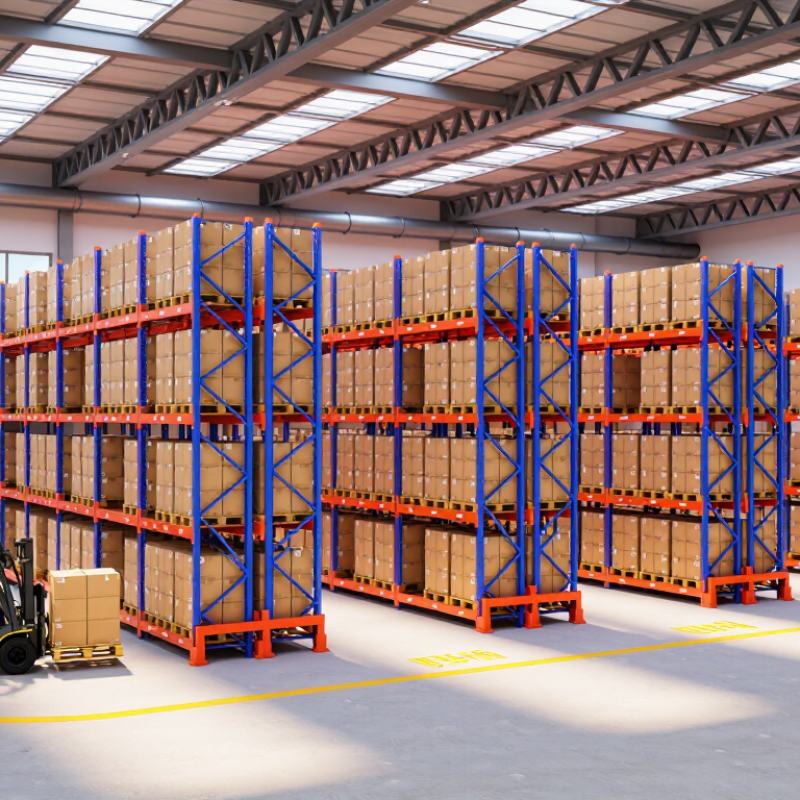
What Are Pallet Rack Systems and How Are They Used?
Pallet rack systems are steel structures that store palletized goods above the floor. They use upright frames and horizontal beams to create adjustable storage levels. In a typical warehouse, forklifts place pallets onto these beams and retrieve them when orders are ready. Selective racks provide direct access to each pallet, while denser designs may limit access to some loads. The right system depends on inventory, equipment, building height, and picking patterns.
Good planning starts with the actual pallet dimensions and loaded weight, not estimates. Measure aisle widths, ceiling clearance, sprinkler space, and forklift turning areas before choosing a layout. Clearly mark approved load limits, and train staff to report bent frames, loose anchors, or damaged beams. Even a carefully planned aisle can feel tight once daily traffic begins. Reviewing the layout after operations start can reveal problems the drawing missed.
Tips: Keep heavier pallets on lower levels, avoid overhanging loads, and inspect racks regularly. Have a qualified storage professional assess capacity and any changes; small adjustments can affect stability.
| China Top 10 Pallet Rack Systems Manufacturers? - What Are Pallet Rack Systems and How Are They Used? | |||||
|---|---|---|---|---|---|
| Pallet Rack System | How It Stores Pallets | Typical Applications | Pallet Selectivity | Storage Density | Key Design Consideration |
| Selective pallet rack | Each pallet is stored on an individual rack position and accessed from an aisle. | Warehouses with many product lines, frequent picking, or changing inventory. | High: each pallet position is directly accessible. | Moderate: aisles are needed for forklift access. | Set aisle width, beam levels, and rack capacity to suit the handling equipment, pallet dimensions, and stored loads. |
| Double-deep rack | Two pallet positions are arranged one behind the other, usually accessed with a deep-reach truck. | Operations holding several pallets of the same product with less frequent access to the rear position. | Moderate: the front pallet must be moved to reach the rear pallet. | Higher than single-deep selective rack when aisle space is reduced. | Confirm that the lift truck can reach the rear position and that inventory rotation procedures suit the layout. |
| Drive-in rack | A forklift enters a supported lane to place or retrieve pallets, typically following last-in, first-out access. | High-volume storage of similar products with relatively few product lines. | Low to moderate: pallets within a lane are accessed in sequence. | High: fewer aisles are required than in selective layouts. | Lane depth, pallet quality, forklift clearances, and loading sequence are important to safe operation. |
| Drive-through rack | A forklift can enter the storage lane from either end, allowing loading and retrieval from opposite sides. | Batch storage where stock rotation between the loading and unloading sides is useful. | Moderate: access is organized by lane rather than by individual pallet. | High: the system uses deep lanes and reduces the number of aisles. | Plan separate loading and retrieval flows and verify that the layout supports the intended stock-rotation method. |
| Pallet flow rack | Pallets move by gravity along inclined roller or wheel lanes from the loading side to the picking side. | High-throughput operations handling multiple pallets per product line, including date-sensitive goods. | Moderate: access is generally organized by product lane. | High: storage and retrieval sides can be separated. | Roller design, pallet condition, lane pitch, and braking devices must be matched to the load and operating conditions. |
| Push-back rack | Each new pallet pushes earlier pallets farther back on nested carts or rails; retrieval is from the aisle side. | Medium- to high-volume storage of products with several pallets per item. | Moderate: pallets are accessed in last-in, first-out sequence within each lane. | High: multiple pallet positions can be stored behind one aisle face. | Check lane depth, cart compatibility, pallet dimensions, and the effects of loading sequence on inventory rotation. |
| Mobile pallet rack | Rack rows move on powered or manually operated bases, opening an access aisle where needed. | Facilities where floor space is limited and access to stored pallets is needed periodically. | High when the required aisle is opened, but simultaneous access is limited. | Very high: multiple fixed aisles can be consolidated into a smaller number of movable aisles. | Floor capacity, rail installation, aisle safety controls, and emergency access require careful assessment. |
| Carton-flow rack | Cartons or totes travel by gravity on flow lanes, usually below pallet storage or in a dedicated picking area. | Piece-picking operations that replenish from the rear and pick from the front. | High for individual picking lanes. | High for compact order-picking areas. | Use lane components suited to the size, weight, and base condition of the cartons or totes being handled. |
| Structural pallet rack | Heavy-duty structural steel members form rack frames and beams for pallet storage. | Demanding warehouse or industrial environments where robust rack construction is required. | Depends on the rack layout; commonly configured for selective access. | Depends on the selected layout and aisle arrangement. | Connections, bracing, anchorage, impact exposure, and load ratings should be reviewed by a qualified rack designer. |
| Automated storage and retrieval system (AS/RS) | Automated cranes or shuttles move unit loads into and out of high-bay storage locations. | Operations seeking automated pallet handling, controlled inventory movement, or reduced manual travel. | System-dependent: software directs access to stored unit loads. | Often high because equipment can operate in narrow aisles and tall storage structures. | Assess building height, pallet and load consistency, throughput requirements, controls, maintenance, and emergency procedures. |
FAQS
It is a steel structure with upright frames and horizontal beams. Forklifts place palletized goods on adjustable levels.
Selective racks provide direct access to each pallet. Denser designs can store more goods but may limit access.
Measure pallet size and loaded weight, aisle width, ceiling clearance, and sprinkler space. Check forklift turning areas, too.
Mark approved load limits clearly. Train staff to report bent frames, loose anchors, and damaged beams.
Review engineering drawings, steel specifications, weld quality, coating details, and production records. Compare these with the warehouse layout.
Ask for drawings showing beam levels, upright frames, and load capacities. Request relevant test records and project references.
Look for recorded inspections, sample parts, measurement records, and careful packaging. Ask how design changes are tracked.
No. Options include selective, drive-in, shuttle, mobile, mezzanine, and automated systems. The right fit depends on the site.
Daily traffic may reveal tight aisles or forklift conflicts. Drawings can miss these details. A review may change the plan.
Conclusion
Pallet Rack Systems are essential storage solutions that help warehouses use vertical space, organize inventory, and support efficient handling of goods. This article explains how common rack designs serve different storage and workflow needs, then outlines practical criteria for assessing manufacturers in China, including product quality, engineering capability, customization, production capacity, and customer support.
It also reviews the range of rack types and services buyers may encounter, such as design assistance, installation guidance, and after-sales support. Rather than relying on a name alone, buyers can compare suppliers by checking specifications, materials, safety features, project experience, delivery arrangements, and communication. These considerations provide a clear framework for selecting a manufacturer whose products and services match the facility’s storage requirements, operational demands, and budget.