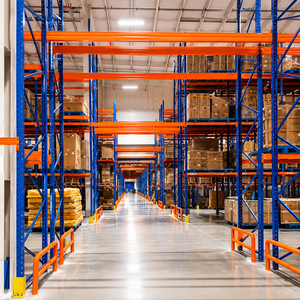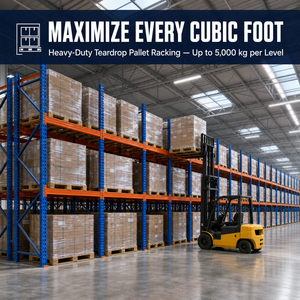
Large Scale E-Commerce Logistics Warehouse Pallet Racking System Customized High Load Industrial Conventional Heavy Duty Rack
- Load Rating: Up to 4,500 kg/level
- Steel Standard: Q235B / Q355B
- Surface: Electrostatic Epoxy
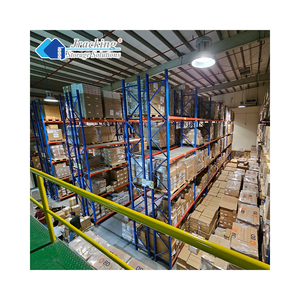
Factory-direct structural steel installations certified under international ISO, EN, and FEM technical parameters, engineered for optimal floor-space utility and heavy volume duty.
Deploying high-density warehousing in eastern Cuba requires addressing two severe structural constraints: elevated seismic risk from the Bartlett-Caiman Cayman Trough fault line and severe coastal atmospheric salinity near the Port of Guillermón Moncada.
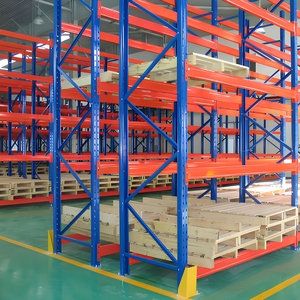
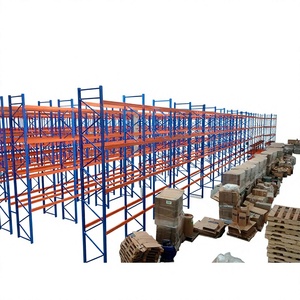
In the commercial districts surrounding the Bahía de Santiago de Cuba, industrial real estate faces strict developmental boundaries between coastal shipping berths and the foothills of the Sierra Maestra. Logistics operations handling primary agricultural products (raw sugar, cocoa, coffee) and imported containerized freight cannot afford sprawling, low-density single-selective layouts. Double deep racking eliminates 50% of the interior access aisles needed by standard selective arrangements by placing pallets two-deep in back-to-back rack structures.
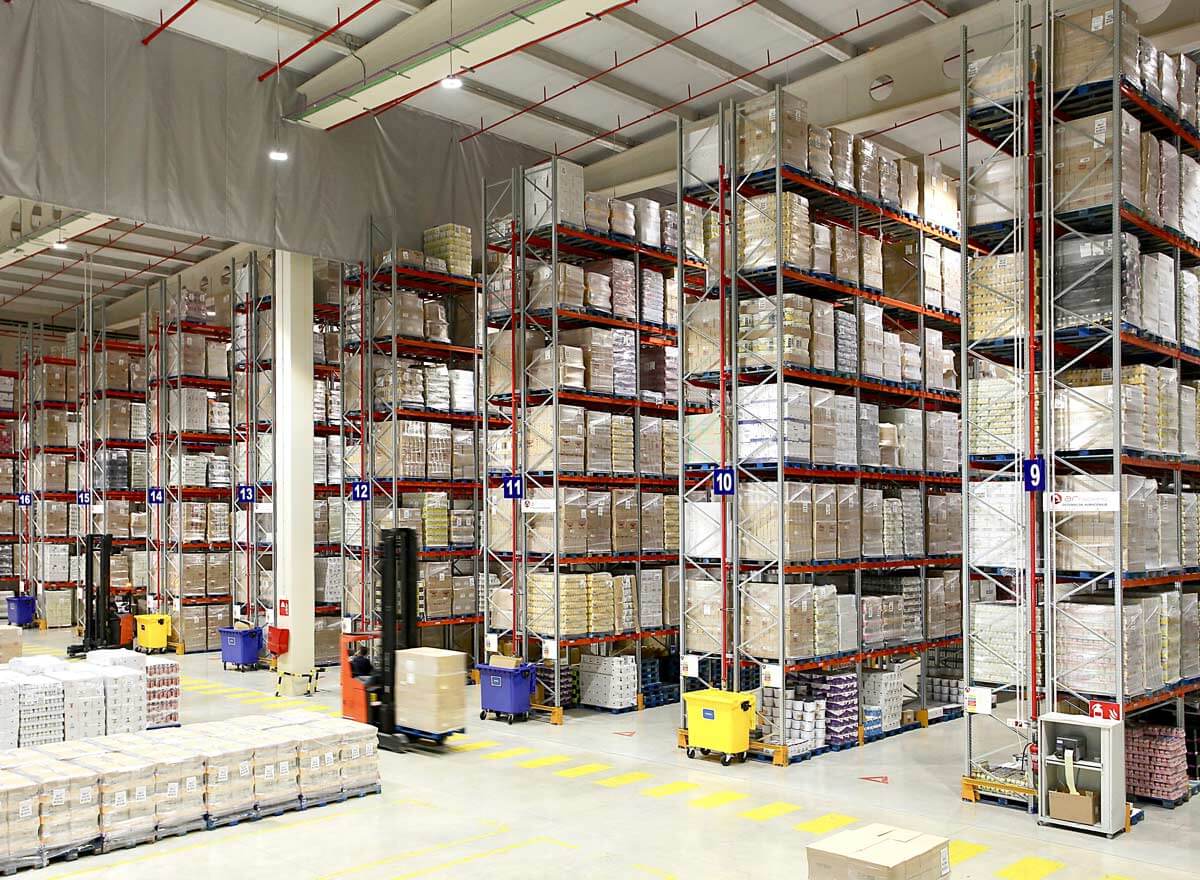
This layout increases volumetric storage density by up to 35% compared to conventional racking while maintaining 50% immediate pallet selectivity. Material handling in double deep systems operates via specialized reach trucks equipped with dual-pantograph extenders or telescopic forks. By keeping aisle widths restricted to 3.0 to 3.4 meters, distribution centers across Santiago de Cuba maximize their vertical cubic meter investments.
Key Engineering Metric: Double deep systems bridge the capital-intensity gap between selective racking and fully automated high-density shuttle systems, delivering an ideal Return on Investment (ROI) for fast-turning bulk inventory.
Unlike western provinces, the Santiago de Cuba municipality falls directly under Zone 5 of seismic hazard classifications due to the active Oriente Strike-Slip Fault system. Standard static warehouse racks risk immediate progressive collapse under lateral harmonic excitation. Our production facilities compute dynamic sway forces in accordance with EN 16681 and RMI standards, incorporating reinforced diagonal cross-bracing towers, heavy base-plate anchor configurations, and high-yield cold-rolled steel (grades Q355B and high-strength European standard structural profiles).
Simultaneously, the tropical marine atmosphere of the Caribbean Sea delivers high relative humidity (averaging >80%) coupled with sodium chloride aerosols. Untreated carbon steel experiences rapid oxidation and structural section loss. We counter this environmental hazard through two certified coating methods: hot-dip galvanization compliant with ISO 1461 for cold storage and harsh environments, and automated continuous thermo-hardened electrostatic epoxy-polyester powder coating tested beyond 500 hours in continuous salt spray chambers.
Objective structural and handling parameters for evaluating Double Deep against other core storage frameworks deployed in regional distribution hubs.
| Racking Architecture | Direct Selectivity | Floor Footprint Utilization | Rotation Principle | Handling Equipment Required | Capital Cost Index |
|---|---|---|---|---|---|
| Double Deep Pallet Racking | 50% Semi-Direct | High (60% - 65%) | FILO (First In, Last Out) | Double-Reach / Pantograph Forklift | Moderate ($$) |
| Standard Selective Racking | 100% Immediate | Moderate (35% - 40%) | FIFO (First In, First Out) | Standard Counterbalance / Reach | Economical ($) |
| Very Narrow Aisle (VNA) | 100% Immediate | Very High (55% - 60%) | FIFO / FILO | Turret Truck / Man-Up Stacker | High ($$$) |
| Drive-In / Drive-Through | Low (Per Lane) | Maximum (70% - 75%) | FILO / Strict Batch | Standard Counterbalance Inside Lanes | Moderate-High ($$) |
| Semi-Automated Pallet Shuttle | Lane-Level Deep | Ultimate (75% - 85%) | FIFO or FILO Automated | Autonomous Shuttle Cart + Forklift | Premium ($$$$) |
Strategic transformations in the Oriente region are redefining industrial bulk handling, cold-chain operations, and port-adjacent supply hubs.
Expanded multipurpose terminals at Puerto de Santiago de Cuba handle higher container throughput. Inland bonded facilities require modular heavy-duty racking that transitions rapidly from bulk container devanning to palletized buffer storage.
Storage facilities for seafood, frozen poultry, and agricultural produce must minimize thermal energy loss. Double deep and mobile racking configurations minimize refrigerated volume per pallet position, cutting kW/h costs in tropical climates.
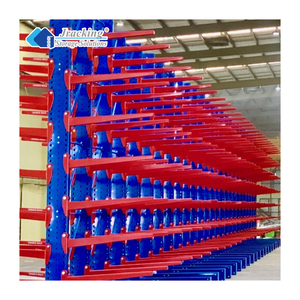
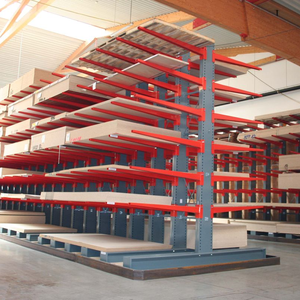
Local manufacturing initiatives across eastern Cuba require high-bay vertical integration for spare parts, heavy components, and raw industrial inputs, driving adoption of boltless adjustable racks and cantilever timber systems.
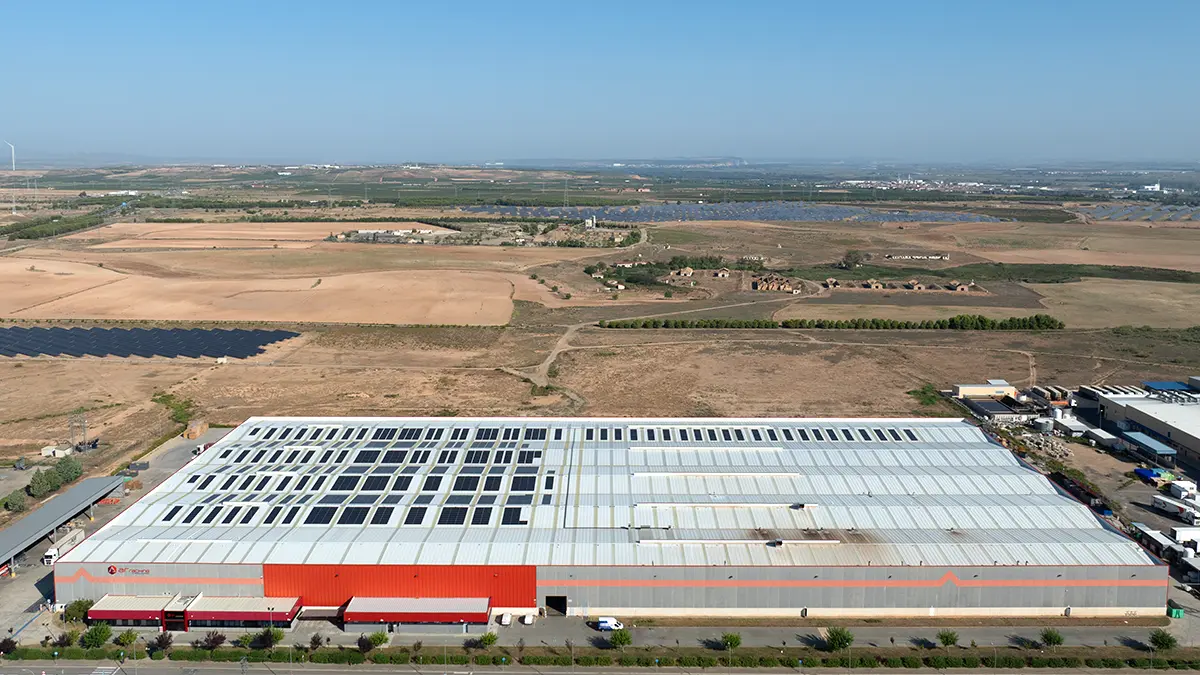
Direct from an automated manufacturing center of 35,000+ m² with documented metallurgical testing and structural compliance.
Our fully automated manufacturing facility uses robotic profiling lines and laser-assisted continuous punch tooling, producing uprights and beams with millimeter-level geometric tolerance required for high-reach double deep trucks.
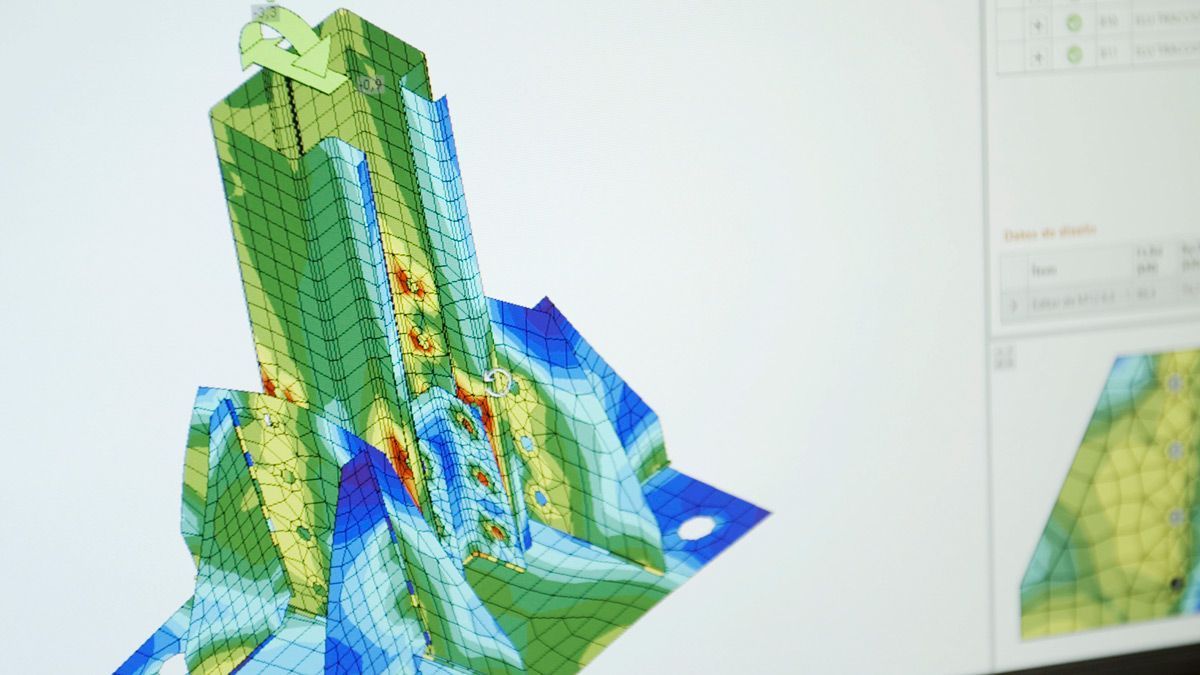
In continuous partnership with leading structural research universities, our engineering classroom utilizes advanced Finite Element Analysis (FEA) to simulate buckling thresholds, seismic cycles, and torsional deflection before metal is rolled.
Full institutional accreditation across ISO 9001 (Quality), ISO 14001 (Environmental), ISO 45001 (Safety), ISO 50001 (Energy), ISO 3834-2 (Welding Quality), and EN 1090-1 CE Marking for structural rack projects, supported by a 5-year structural warranty.
Every upright frame, support beam, and safety locking pin bears discrete batch identification. Through Traceability 4.0, raw steel melt certificates are linked directly to installed warehouse elements, simplifying maintenance and structural audits.
With more than 90% of our annual production output exported worldwide, we manage international maritime container packing with customized timber bundling and anti-corrosive desiccant wrapping to ensure equipment arrives at Port of Guillermón Moncada undamaged.
Clear, documented engineering answers addressing international freight, seismic specifications, tropical corrosion, and material handling compatibility.
Double deep configurations require specialized reach trucks equipped with either a dual-pantograph scissor extender or hydraulic telescopic forks. Standard reach trucks or counterbalance forklifts cannot service the rear pallet position. When determining truck configurations for Santiago de Cuba facilities, engineers must account for mast derating (capacity loss at higher lift heights) and ensure proper camera guidance and laser positioning systems are installed on the fork carriage for accurate rear-bay pallet placement.
Because Santiago de Cuba is situated along the seismically active Bartlett-Caiman Cayman Trough (Cuban Zone 5), racking must be calculated in accordance with EN 16681 dynamic design codes. We install enlarged, high-ductility base plates, thickened anchor bolts with chemical anchoring epoxy, reinforced horizontal and vertical portal bracing, and customized beam-to-column connector locks with high moment-resisting capabilities to eliminate structural dislodgement during earth tremors.
For standard temperature-controlled warehouses, we use continuous multi-stage pre-treated electrostatic epoxy-polyester powder coating applied at 60-80 microns thickness, providing corrosion resistance under ISO 12944 atmospheric categories. For non-climate-controlled port warehouses or cold-storage freezer facilities exposed to high humidity and ocean air, we supply hot-dip galvanized structural steel (ISO 1461), which forms a protective zinc-iron alloy barrier against rust.
Yes. We customize rack bay lengths and frame depths to match your inventory. For 1200x1000mm industrial pallets, frame depths of 1000mm or 1050mm are combined with front and rear beam ties or secondary wire mesh decking. When handling European 1200x800mm pallets alongside North American 48x40-inch pallets, we install drop-in structural pallet support bars to ensure load distribution across both inner and outer deep beams.
Every shipment is delivered with comprehensive engineering submittals: structural load calculation sheets signed by licensed structural engineers, mill test certificates (MTC) verifying steel chemical and yield compositions (EN 10204 3.1), 2D/3D CAD installation drawings, assembly manuals, and official ISO 9001 / CE compliance certificates required by customs authorities and regional project inspectors.
Factory fabrication for customized high-volume warehouse racking systems typically requires 3 to 5 weeks, depending on total tonnage and custom color or galvanization requirements. Ocean freight transit to Port of Guillermón Moncada (or via maritime links connecting Mariel) takes approximately 25 to 40 days depending on shipping route schedules. Systems are packed inside heavy-duty 40-foot HQ containers with protective bundling designed to prevent transit damage.
Connect with our technical design team for a complete warehouse spatial analysis, seismic load calculations, and a comprehensive project quotation.