High-Capacity Industrial Racking Solutions for Quetzaltenango Warehouses
Manufactured on 100% automated continuous roll-forming lines, engineered to ANSI MH16.1, RMI, and AGIES seismic standards.
Industrial Application Architecture: Western Highlands Strategic Logistics
Analyzing structural safety, temperature shifts, and cross-docking velocity across Quetzaltenango (Xela) and Los Altos.
Quetzaltenango—locally recognized as Xela—occupies the preeminent logistics position in the Western Highlands of Guatemala. Acting as the gateway bridge between the Pacific agricultural export corridors, the central manufacturing axis of Guatemala City, and the primary trade artery to Chiapas, Mexico (via Tecún Umán), Xela demands warehouse engineering that diverges sharply from generic storage specifications. As commercial footprints expand rapidly across Salcajá, Olintepeque, and the Peripheral Ring, our heavy-duty teardrop pallet racking systems provide the rigorous structural foundation required by modern distribution centers.
1. Agro-Industrial Cold Chain & High-Altitude Refrigeration
The fertile valleys surrounding Quetzaltenango serve as Guatemala’s nucleus for specialty vegetables, deciduous fruits, and cut-flower exports. Given Xela’s 2,330-meter elevation, cold rooms must battle dramatic diurnal temperature fluctuations, condensation, and rapid structural thermal shrinkage. Our teardrop pallet racking is roll-formed using high-yield structural steel treated with anti-microbial, high-adhesion polyester thermoset powder coatings or hot-dip galvanization. This eliminates micro-cracking and rust creep at the beam-to-column connector seams, providing reliable performance in temperatures down to -24°C (-11°F) for frozen vegetable processors and refrigerated multi-temperature distributions.
2. Cross-Border FMCG & Mexican Transit Distribution Hubs
Xela has become the primary regional consolidation point for Fast-Moving Consumer Goods (FMCG), pharmaceuticals, and dry food logistics moving between Mexico and Central America. Logistics operators in this corridor require systems that accommodate both the standard North American GMA 48" × 40" pallet (1219 × 1016 mm) and European / ISO load footprints (1200 × 800 mm). The standard 2-inch vertical pitch increment of our universal teardrop punching profile permits instant beam level reconfiguration without disassembly tools, allowing facilities to flex beam elevations dynamically as incoming SKU package heights vary.
3. Light Manufacturing, Textiles, and Construction Material Distribution
With longstanding traditions in wool, woven apparel, and expanding light industrial machinery repair, Western Guatemala requires versatile storage capable of supporting localized concentrated line loads. Integrated with stepped beam shelf channels, welded wire mesh decks, and drop-in pallet support bars, our teardrop frames easily support atypical structural weights—from palletized raw yarn and industrial spinning rolls to bulk architectural hardware and bagged cement additives.
Full Universal Compatibility
Our teardrop connection locks seamlessly into virtually all standard teardrop systems, permitting modular expansion and retrofitting without full facility teardowns.
AGIES & RMI Seismic Engineering
Custom structural engineering calculations account for Xela's local soil classes, spectral acceleration parameters, and heavy top-tier pallet dynamic displacement.
Automated Traceability 4.0
Every individual beam, upright, and baseplate bears distinct roll-formed ID stamps linking steel coils directly to mechanical mill testing and load capacity tables.
Engineering Parameters: Structural Performance by Storage Topology
Empirical baseline configurations for warehouse planners, engineering contractors, and operations executives in Guatemala.
| Storage Topology | Direct Selectivity | Clear Height Capacity | Floor Footprint Utilization | Optimal Local Application |
|---|---|---|---|---|
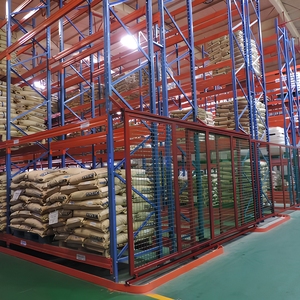
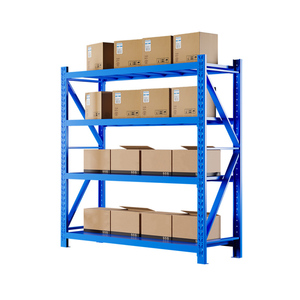
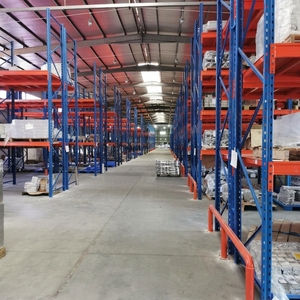
| Standard Selective Teardrop | 100% Immediate Access | Up to 12.0 Meters (39.3 ft) | Standard (35% - 40%) | High-SKU distribution, 3PL transit centers, general hardware wholesale |
| Push-Back System (2-5 Deep) | Lane-Based (LIFO) | Up to 9.5 Meters (31.1 ft) | High (Up to 65%) | High-density cold stores, seasonal agro-chemical lots, FMCG fast movers |
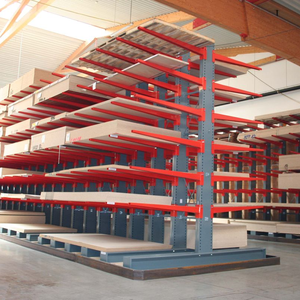
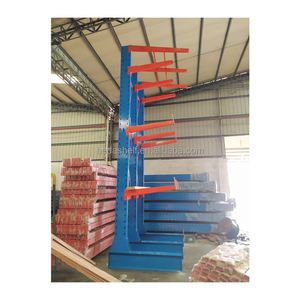
| Heavy Duty Cantilever | 100% Immediate Access | Custom up to 10.0 Meters | Variable Open Pitch | Highlands timber, PVC conduit, structural profiles, extruded metal bars |
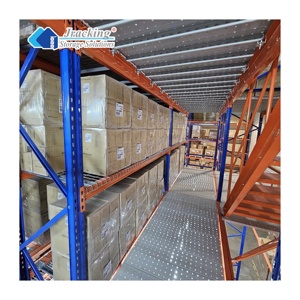
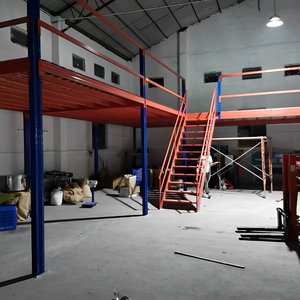
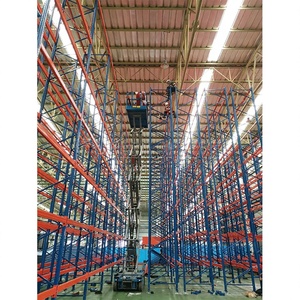
| Multi-Tier Rack Platform | Manual Picking Aisle | Floor-to-Ceiling (Multi-Level) | Maximum Vertical Density | Pharmaceutical e-commerce, small automotive parts, apparel assembly |
Evolving Logistics & Warehousing Trends in Quetzaltenango
Key economic forces accelerating the modernization of storage layouts and racking technologies through 2030.
The logistics landscape across the Department of Quetzaltenango is currently experiencing an unprecedented structural upgrade. Driven by nearshoring supply-chain reconfigurations, increased remittance-fueled consumer retail consumption, and road infrastructure modernization along CA-1 Occidente and CA-2 Occidente, regional businesses are abandoning outdated floor-stacking techniques in favor of engineered vertical pallet systems. Three dominant patterns characterize this local development:
1. Transition from Unracked Floor Stacking to Engineered High-Bay Storage
Historically, commercial storage throughout Xela relied on direct floor stacking or wood-beam racks. This tradition generated unacceptable product crush rates, humidity absorption from the damp ground floor, and severe worker safety hazards during seismic tremors. Modern warehouse developers are now designing 9-to-12-meter clear height buildings along the Periférico de Xela and the Salcajá industrial belt, recognizing that doubling or tripling volumetric storage density mitigates escalating commercial land costs.
2. The Surge of Controlled-Atmosphere and Cold Logistics Infrastructure
As international certifications like GlobalG.A.P. and FSMA become mandatory for Guatemalan highland agricultural exporters, the cold chain cannot tolerate breakages. Facilities are upgrading cold storage rooms with high-density push-back racking and dynamic flow systems designed specifically to operate inside humidity-controlled environments. By concentrating chilled square footage via dense racking, operators minimize refrigeration compressor power draw—an essential cost-saving measure given elevated electricity tariffs in the interior of the country.
3. Forklift Modernization & Narrow-Aisle Operational Standards
The regional material handling fleet in Western Guatemala is rapidly transitioning from standard 3.8-meter aisle sit-down counterbalance forklifts to 2.8-meter reach trucks and articulated narrow-aisle equipment. Our teardrop racking uprights—manufactured with high-tensile cold-rolled steel and custom engineered post-protectors—deliver the precise structural geometry and plumb tolerance required when high-reach masts extend to operational heights above 8 meters.
Frequently Asked Questions: Purchasing Racking in Quetzaltenango
Authoritative technical guidance for plant engineers, logistics planners, and procurement directors.
Are your teardrop pallet racks compatible with existing warehouse systems in Guatemala? +
How do you engineer racking systems to satisfy Quetzaltenango’s seismic conditions? +
What steel grades and corrosion protection coatings are utilized? +
Can your racking support standard Guatemalan and imported Mexican pallet loads? +
What is the logistical delivery timeframe to Quetzaltenango, Guatemala? +
What quality warranty is provided on your industrial storage systems? +
Why Tier-1 Operations Choose Our Engineered Racking
Combining university-backed R&D testing with automated continuous manufacturing to eliminate structural failure.
Automated Robotic Production
Over 35,000 m² of modern plant infrastructure equipped with fully automated continuous roll-forming lines, automated laser perforating stations, and robotic arm welding to ensure sub-millimeter tolerances on all components.
Scientific University Testing Lab
Physical stress testing, full-scale frame buckling analyses, and beam-end connector moment-rotation evaluations conducted in partnership with leading academic engineering research institutions.
Stringent ISO Certifications
Certified across ISO 9001 (Quality Systems), ISO 14001 (Environment), ISO 45001 (Occupational Safety), ISO 50001 (Energy Management), ISO 3834-2 (Welding Quality), and EN 1090-1 structural steel manufacturing.
Ready to Engineer Your Quetzaltenango Distribution Center?
Connect with our technical engineering department for comprehensive project layout design, CAD structural schematics, seismic calculations, and direct factory pricing.
Inquire Now