High-Performance Industrial Racking Portfolio for Haiti Buyers
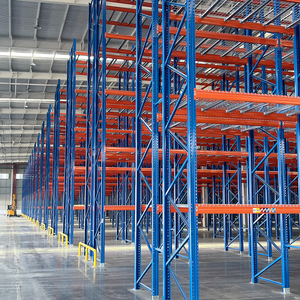
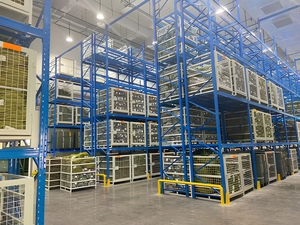
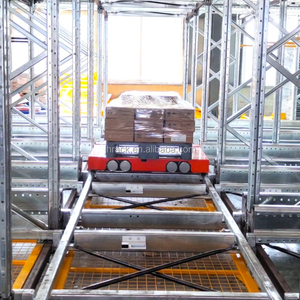
Engineered to international FEM, EN 1090-1, and RMI standards, our high-density radio shuttle and industrial rack structures maximize vertical cubic capacity while reducing forklift aisle dependency.
Overcoming Warehouse Structural Bottlenecks in the Republic of Haiti
Operating a high-throughput distribution facility or bonded terminal in Haiti requires specialized structural calculations that account for the Caribbean's distinct environmental, seismic, and economic variables.
Seismic Design Resiliency Under the Enriquillo-Plantain Garden Fault Zone
Haiti is geographically situated across the active Enriquillo-Plantain Garden Fault Zone (EPGFZ), making seismic safety the primary structural engineering imperative for any multi-tier storage facility. Conventional static rack structures that rely on standard bolt fixations and light profile uprights risk cataclysmic buckling or dynamic pallet dislodgement during seismic vibrations.
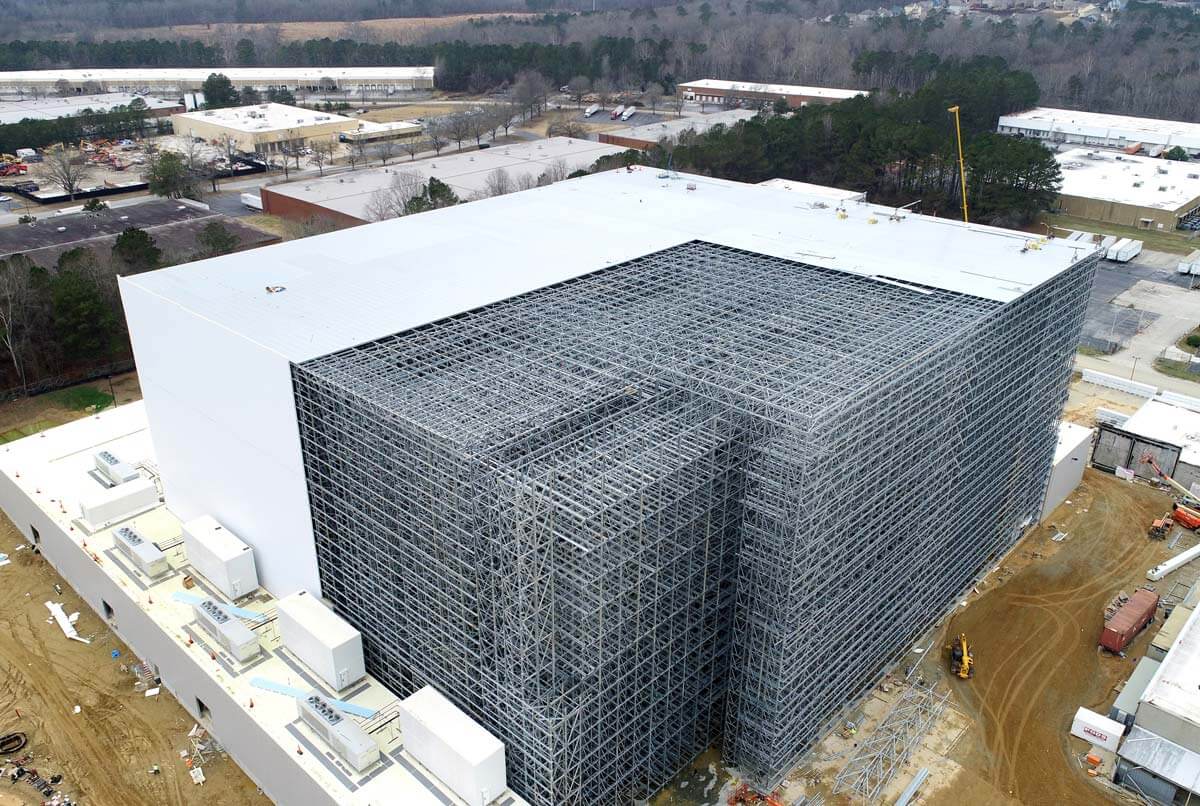
Our radio shuttle racking systems engineered for Port-au-Prince and southern departments integrate finite element dynamic modeling (FEM) based on high ground acceleration coefficients. We incorporate heavy-gauge baseplates, anchored with chemical resin studs into reinforced concrete slabs, paired with heavy-duty portal ties, diagonal frame bracings, and mechanical backstop locks along shuttle rails. This guarantees structural integrity and prevents progressive collapse even under peak ground acceleration scenarios.
- Calculated baseplate anchors certified against extreme dynamic shearing loads
- Shuttle guide rails with integrated mechanical wheel retention channels
- Structural engineering review aligned with US IBC seismic standards and Eurocode 8
Combatting Tropical Marine Corrosion and High Relative Humidity
The proximity of prime industrial complexes to the Bay of Port-au-Prince and northern coastline ports like Cap-Haïtien exposes industrial warehouse infrastructure to persistent salt spray, high relative humidity (frequently exceeding 80%), and elevated temperatures. Surface rust quickly turns into structural fatigue in untreated steel frames.
We apply high-grade epoxy-polyester electrostatic powder coatings cured at 200°C over zinc phosphate chemical pre-treatments, delivering superior resistance against salt-spray corrosion (tested beyond 500 hours according to ISO 9227). For high-moisture cold storage or outdoor staging zones, our structural components and guide rails can be fully hot-dip galvanized according to ISO 1461, ensuring decades of corrosion-free performance without structural peeling or flaking.
- Salt-spray resistant pre-treated powder coating with 80-120 micron thickness
- Hot-dip galvanized shuttle tracks to avoid friction wear and moisture breakdown
- Hermetically sealed shuttle electronics with IP65-rated battery compartments
High-Yield Application Scenarios Across Haiti's Industrial Sectors
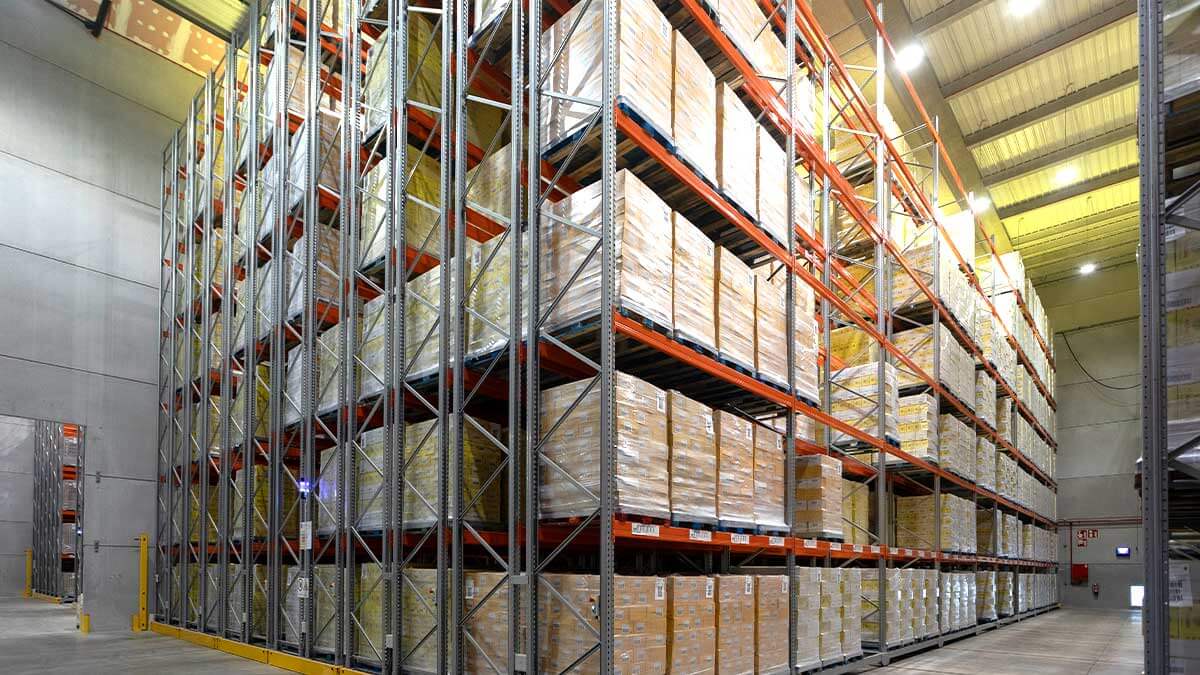
Radio shuttle technology replaces wide operating aisles with automated internal transport channels, delivering up to an 80% increase in storage capacity across vital local supply chain sectors.
Port Terminal Bonded Warehouses (APN Zones)
Haitian ports face frequent container dwell bottlenecks and restricted yard space. Operating deep-lane radio shuttle racks in customs-bonded warehouses adjacent to the Autorité Portuaire Nationale (APN) enables consolidation of high-cube import cargo (rice, wheat flour, construction materials) into dense, high-bay lanes, optimizing customs inspection speeds and clearing critical demurrage hurdles.
Severe Energy-Constrained Cold Chain Storage
Industrial power in Haiti is predominantly fueled by private diesel generator setups with high kilowatt-hour costs. Radio shuttle systems compress cold rooms down to absolute cubic minimums, eliminating the dead air space needed for forklift aisles. By consolidating chilled air volume, facilities reduce refrigeration electricity overhead by up to 35% while preserving perishable meats and pharmaceuticals.
FMCG, Beverage & Dry Food Bulk Distribution
Leading beverage bottlers, breweries, and edible oil distributors in Tabarre and Carrefour need rapid pallet cycling with minimum stock-keeping unit (SKU) diversity per lane. Pallet shuttles run autonomously inside deep lanes up to 40 pallets deep, allowing continuous truck replenishment during tight delivery windows without risking forklift impact against racking frames.
Emerging Warehouse Modernization Trends in Haiti (2025–2030)
The transition from manual floor stacking to intelligent automation is accelerating due to rising real estate land lease rates and the growing need for resilient logistics networks.
The Shift from Dangerous Floor Stacking to Structural Verticalization
Historically, warehouses across Haitian industrial parks stacked timber pallets 3 to 4 units high on open concrete pads. This legacy methodology causes unacceptable product crush damage, severe worker safety hazards, and poor inventory tracking accuracy. As modern enterprises align with international audit benchmarks, vertical selective and deep-lane shuttle racks have become the industry standard for supply chain safety.
By transforming warehouse footprints vertically up to heights of 12 to 16 meters, enterprises triple their storage capacity without needing to secure expensive and scarce industrial land around the capital.
Micro-Automation and Self-Sustaining Logistics Hubs
Given the intermittent nature of public utilities, Haitian logistics operators are increasingly favoring semi-automated systems that provide extreme mechanical reliability without requiring hyper-complex, fragile automated software backbones. Radio shuttle racks operate smoothly using independent lithium-iron-phosphate (LiFePO4) battery carriages recharged by off-grid industrial solar arrays.
This semi-autonomous operational balance safeguards warehouses against power outages: as long as standard forklifts and shuttle batteries have solar or backup diesel power, internal picking and loading run unhindered 24 hours a day.
Why Tier-1 Importers and Distributors Choose Our Systems
Leveraging continuous European design principles, certified manufacturing centers, and dedicated international shipping logistics, we deliver turnkey warehouse structural solutions engineered for extreme durability.
5-Year Structural Warranty
Every component—from cold-rolled upright columns to beam connectors and shuttle rails—is backed by a comprehensive 5-year structural performance warranty, providing long-term reliability and project investment protection.
Academic R&D & Finite Element Simulation
In partnership with premier research universities, our structural laboratories execute full-scale cyclical load testing and seismic earthquake computer simulation models to ensure our designs match real-world building codes.
Traceability 4.0 & Automated Production
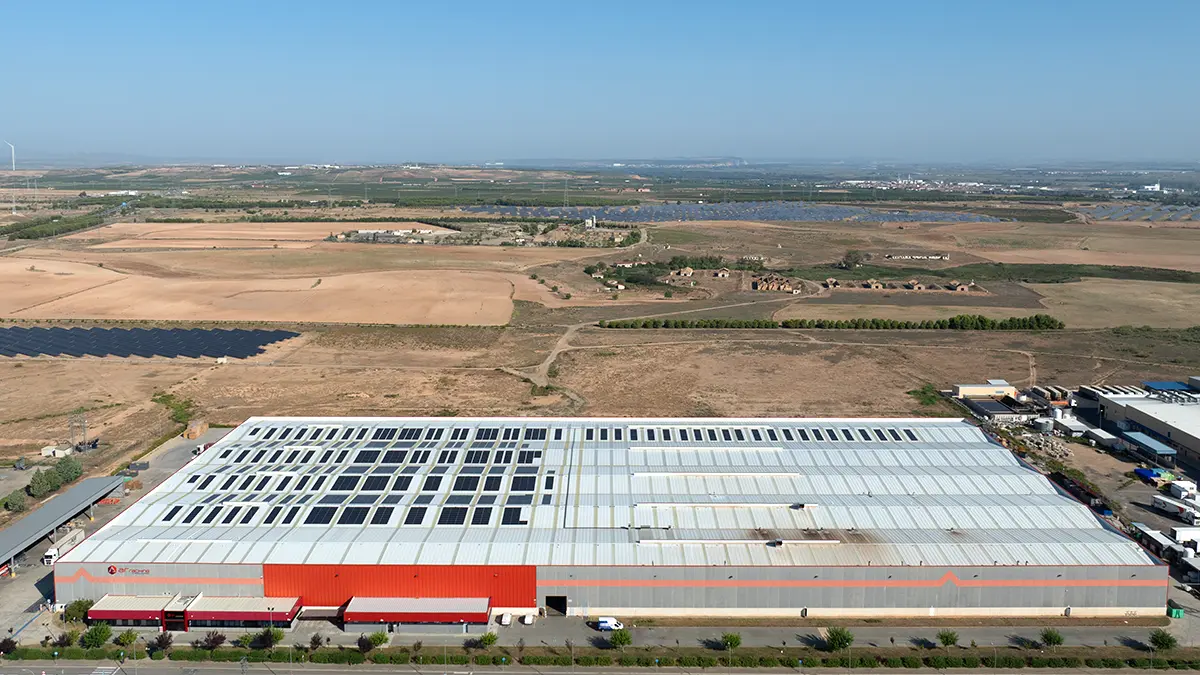
Our 35,000+ m² automated manufacturing facility processes over 100,000 tons of high-tensile Q235B and Q355B steel annually. Each component features laser-etched tracking codes for quality audits and batch certification.
ISO 9001
Standardized Quality System
ISO 14001
Environmental Verification
ISO 45001
Occupational Health & Safety
EN 1090-1 / CE
European Steel Standard Compliance
Frequently Asked Questions for Haiti Wholesalers & Facility Planners
Practical, transparent engineering answers addressing shipping, installation, power infrastructure, and seismic standards for Caribbean warehouse investments.
What international seismic codes are used when calculating racking for Haiti warehouses?
How do radio shuttle systems function under Haiti's unstable electrical grid conditions?
Can these systems accommodate irregular or mixed timber pallet dimensions?
How is freight, customs clearance, and container shipping handled to Port-au-Prince?
Do you provide assembly oversight and technical commissioning within Haiti?
How do radio shuttle systems compare with Drive-In racking for cold store operations?
Accelerate Your Haitian Warehouse Capacity Today
Consult with our dedicated warehouse structural engineering team to receive a tailored AutoCAD layout design, seismic load report, and comprehensive wholesale export proposal.