Multi-Tier Storage
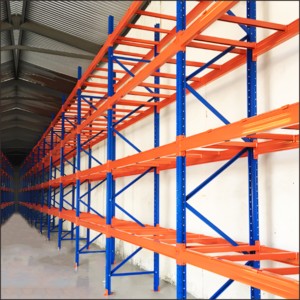
Comprehensive pallet, cantilever, and automated structural rack units certified under international ISO 9001 and EN 1090-1 manufacturing protocols.
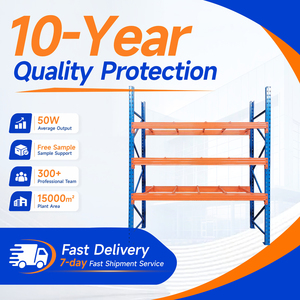
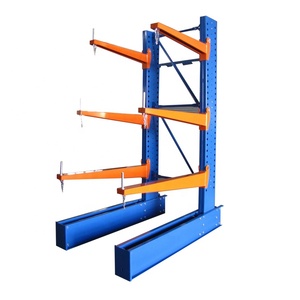
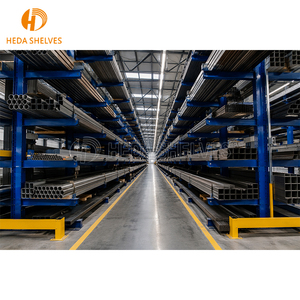
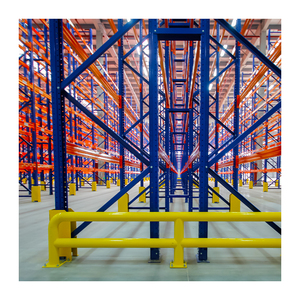
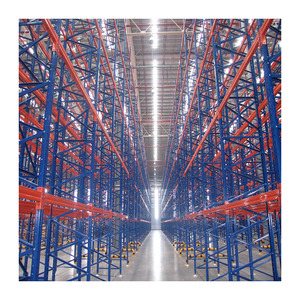
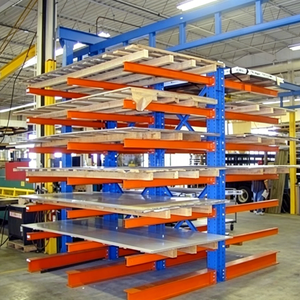
Push back pallet racking is engineered on inclined nested cart assemblies or deep heavy-duty gravity roller beds, generating 2 to 6 pallet-deep storage per lane operating under a dynamic LIFO (Last-In, First-Out) discipline.
Unlike drive-in racking that exposes uprights to forklift impact inside deep bays, push back storage keeps lift trucks in the operating aisle. Pallets rest on nested wheeled carriages sliding on inclined channels graded strictly between 1.5% and 2.5% slope.
Our push back systems are fabricated in fully automated robotic rolling lines from European-certified, high-yield structural steels. Roll-formed upright profiles and box beams feature reinforced structural connector teeth ensuring maximum torsional rigidity.
San Salvador lies in one of the most active tectonic belts in Central America. We design structural upright base plates, anchor embedment lengths, and horizontal x-bracings to withstand peak ground accelerations under seismic standards.
| Storage System Architecture | San Salvador Real Estate Fit | Pallet Accessibility | Seismic Resistance Rating | Handling Efficiency |
|---|---|---|---|---|
| Push Back Racking (2-6 Deep Carts) | High Density (Up to 75% Footprint) | LIFO - Dedicated lane per SKU | High (Interlocking Cart Restraints) | Fast (Drivers remain in main aisle) |
| Standard Selective Pallet Racking | Standard (Aisle-Heavy 40% Floor) | 100% Immediate Selectivity | Moderate (Requires external bracings) | Standard (Single pallet handling) |
| Traditional Drive-In Racking | Very High Density (85% Floor) | LIFO - Difficult batch access | Vulnerable (Unbraced fork corridors) | Slow (Risk of mast collision inside lane) |
| Pallet Flow Gravity Bed (FIFO) | High Density (FIFO Orientation) | FIFO - Separate load & unload aisles | High (Full continuous roller supports) | Rapid (Automatic feed for date-coded cargo) |
From the industrial manufacturing parks of Soyapango and Ilopango to the major dry logistics centers along the Pan-American Highway (CA-1), warehousing facilities in San Salvador face distinct operational conditions.
San Salvador’s metropolitan basin is constrained by topographical boundaries, resulting in premium land pricing across industrial parks in Antiguo Cuscatlán, Nejapa, and San Juan Opico. Warehouse managers cannot afford broad, wasteful forklift aisles when building out selective racking.
By switching to push back pallet racking, logistics managers eliminate up to 50% of the interior aisles needed in selective layouts. A 4-deep push back array achieves up to 75% higher pallet capacity in the same square meter footprint, maximizing volumetric cube utilization without requiring expensive horizontal building expansions.
Get a Quote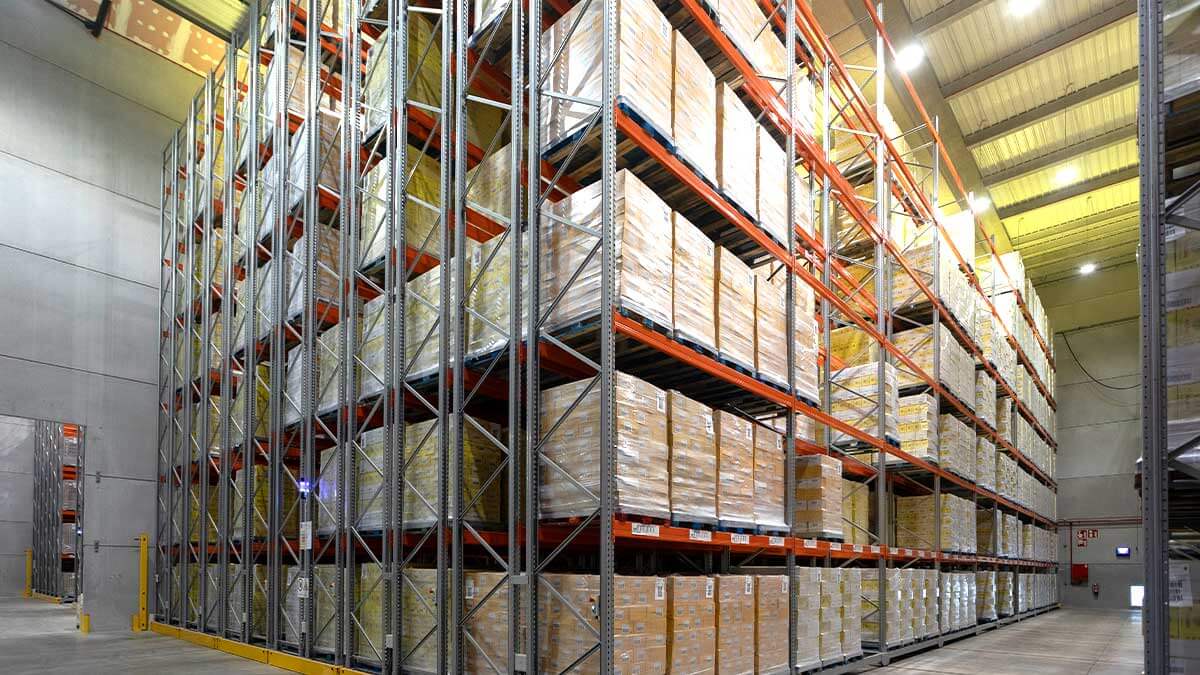
El Salvador is a major regional hub for food manufacturing, frozen seafood, poultry processing, and pharmaceutical distribution. Cold storage space is the most capital-intensive real estate in Central America due to the electricity needed for continuous refrigeration.
Push back racking thrives in refrigerated and freezer environments down to -24°C (-11°F). By packing palletized goods into high-density lanes, the refrigerated cube is minimized, drastically cutting operational thermal loss while maintaining individual lane selectivity for different expiry-dated production batches.
Get a QuoteKey economic transitions are redefining how distribution centers and 3PL operators design warehouse storage systems across the Republic of El Salvador.
With international corporations relocating light manufacturing and assembly lines closer to North America, Salvadoran Zonas Francas (Export Processing Zones) are experiencing unprecedented throughput. High-density push back systems provide the buffering speed required to hold raw materials and packaging components prior to rapid assembly lines.
Modern distribution facilities built along the CA-1 and the Northern Longitudinal Highway feature clear heights exceeding 12 to 14 meters. Salvadoran operators are upgrading from low 4-meter storage to dynamic, multi-tier push back systems to leverage the entire vertical volume without sacrificing cycle times.
Under the Central America-4 border agreements, transit trucks moving between Guatemala, Honduras, Nicaragua, and El Salvador require rapid turnaround. Salvadoran cross-dock facilities are deploying push back rack rows at receiving docks as staging buffers, compressing truck turnaround times by 40%.
Proven across 42,000+ completed projects in over 60 countries, our end-to-end industrial storage manufacturing infrastructure ensures uncompromised quality.
Every structural push back component, carriage assembly, and beam connector is protected by an international 5-year structural performance warranty.
Fully compliant with ISO 9001 (Quality), ISO 14001 (Environment), ISO 45001 (Safety), ISO 50001 (Energy), and EN 1090-1 CE marking for steel structures.
Our continuous automated manufacturing plant encompasses over 35,000 m² with annual fabrication exceeding 100,000 metric tons of steel.
Collaborative research at the AR Lab with Mondragon University and University of the Basque Country conducts full-scale dynamic load tests and finite element modeling.
Detailed technical and operational answers to common inquiries from Salvadoran warehouse directors, supply chain VPs, and civil engineers.
Yes. Our push back nested carts and roller beds are engineered to handle standard North American 48" × 40" GMA wooden or plastic pallets, as well as European 1200 × 800 mm and 1200 × 1000 mm ISO dimensions. Custom-width carts are available for non-standard industrial crates or perimeter base runners common in local manufacturing.
San Salvador is classified in a high-seismic zone (Zone 4 equivalent) due to local subduction faults. Every system exported undergoes site-specific finite element calculation coordinated with your local Engineer of Record (EOR). We utilize heavy-gauge cold-formed steel uprights, oversized baseplates, high-embedment anchor bolts, and specialized spine x-bracings to absorb lateral earthquake shear stresses.
Our nested cart push back configurations operate safely up to 6 pallets deep per lane. For applications requiring deeper storage, we provide heavy-duty continuous roller track flow systems or semi-automated radio shuttle racking that extends storage lanes 20+ pallets deep into the racking bay.
Standard counterbalanced forklifts or reach trucks can easily operate push back systems. Because the forklift never drives inside the rack structure itself, specialized narrow-mast or deep-reach pantograph trucks are unnecessary. The truck operator simply pushes the preceding cart back using the incoming pallet before lowering it onto the next nested cart.
Shipments are dispatched via ocean freight containers directly into the Port of Acajutla (Puerto de Acajutla), then routed along the clean highway arterial straight to your facility in San Salvador or surrounding industrial zones. Every pallet bundle is barcode-marked under Traceability 4.0 standards with itemized packing slips for fast customs clearance and swift on-site staging.
Absolutely. For cold and frozen environments down to -24°C (-11°F), we equip the carts with low-temperature synthetic lubricants, sealed stainless-steel bearings, and specialized cold-resilient steel profiles that do not undergo brittle failure in sub-zero thermal cycling.
Send our senior storage engineers your warehouse floor layout, clear ceiling heights, and pallet specifications. We provide complete CAD design calculations, load capacity ratings, and comprehensive CIF Acajutla or delivered pricing.