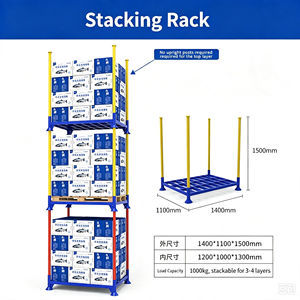
Precision Manufacturing Portfolio
Engineered Racking Systems for Modern Logistics Facilities
Direct from our automated manufacturing floor to your Austin distribution dock: structural and roll-formed high-density systems designed for rigorous industrial load profiles and tight aisle tolerances.
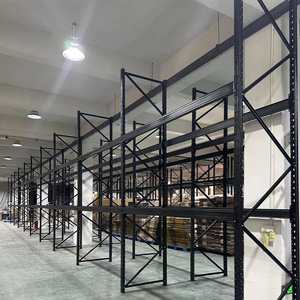
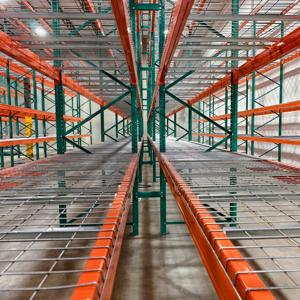
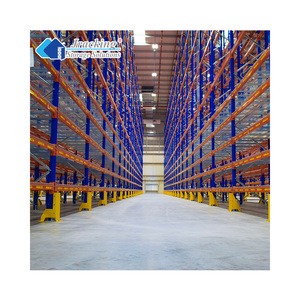
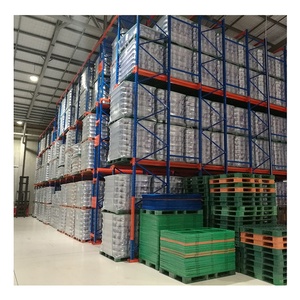
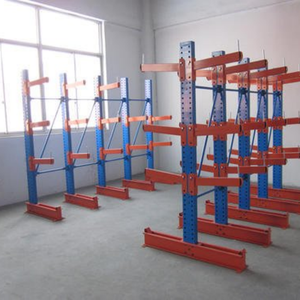
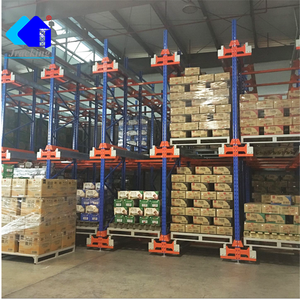
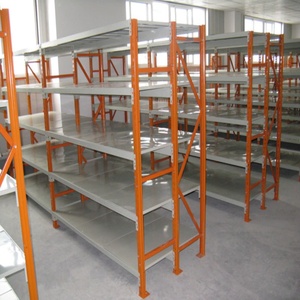
100kt+
Annual Steel Output
42k+
Global Projects Completed
5-Year
Structural Integrity Warranty
Q355B
Certified High-Tensile Steel
Engineering Whitepaper
The High-Density Warehousing Transition in Greater Austin
The industrial landscape of the Greater Austin metropolitan area—spanning Travis, Williamson, Hays, and Bastrop counties—is undergoing a historic structural transformation. Driven by the exponential growth of advanced manufacturing, electric mobility, semiconductor cleanroom production, and tier-one supplier consolidation along the Texas State Highway 130 (SH-130) and Interstate 35 corridors, commercial real estate lease rates for Class-A logistics facilities have climbed sharply. Industrial operators in submarkets such as Del Valle, Round Rock, Buda, Kyle, and Pflugerville face an urgent challenge: land acquisition and building footprints are increasingly capital-intensive, making horizontal warehouse expansions fiscally inefficient.
To preserve operational margins and optimize total cost of tenancy, progressive enterprise supply chains are aggressively adopting Very Narrow Aisle (VNA) and Narrow Pallet Racking systems. By compressing standard selective forklift aisle widths from the traditional 12 to 13.5 feet down to a compact 5.5 to 6.5 feet, facilities can increase total pallet storage capacity by 40% to 60% within the exact same structural footprint. In a 100,000-square-foot distribution facility with 32-foot to 40-foot clear ceiling heights, this aisle reclamation translates into thousands of incremental pallet positions, deferring or eliminating the need to secure secondary warehouse space in an ultra-tight Central Texas market.
Volumetric Optimization
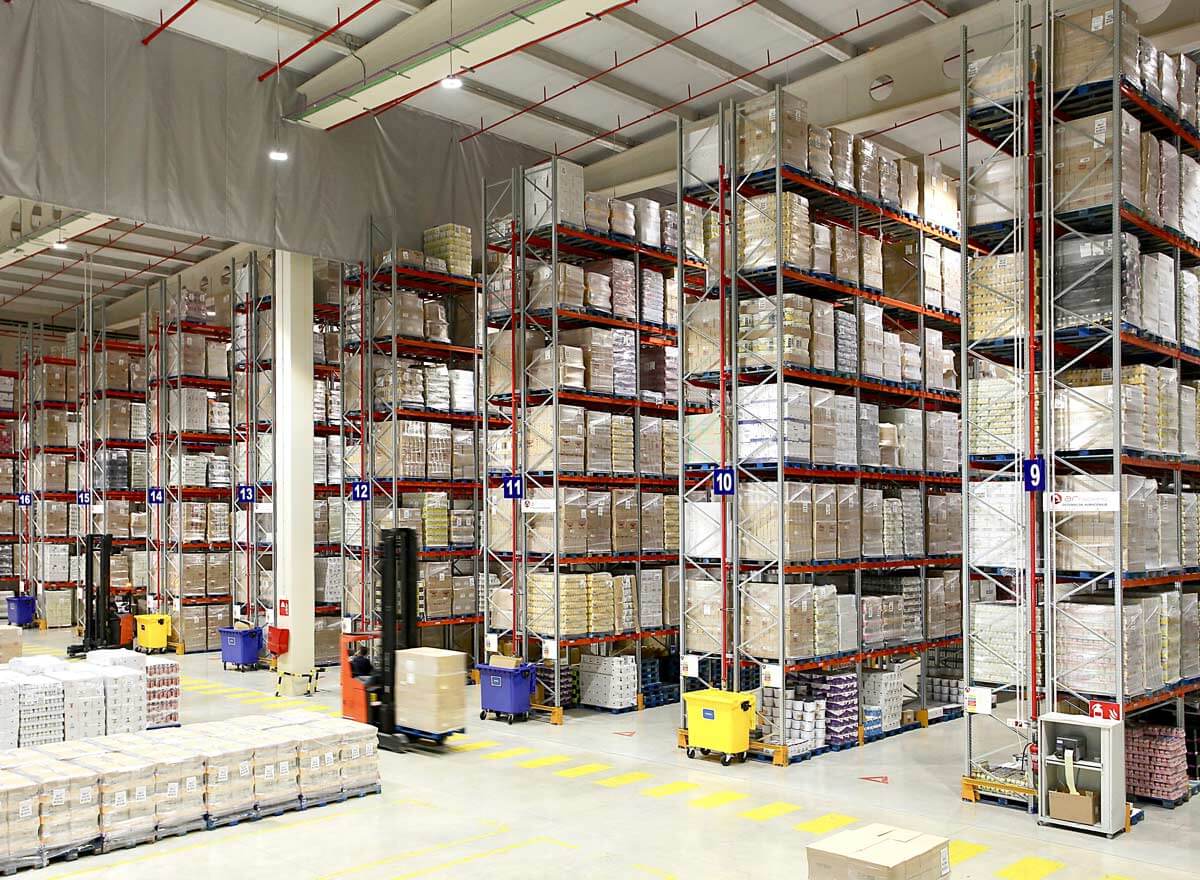
Narrow pallet racking exploits the vertical envelope of contemporary Austin tilt-wall structures. By pairing high-bay upright configurations with turret trucks or articulated forklifts, logistics operators maximize cubic utilization rather than paying for idle aisle space.
RMI & Structural Precision
Manufactured to rigid ANSI MH16.1 specifications using robotic continuous roll-forming lines. Every upright frame features laser-punched connection slots guaranteeing millimeter-level beam alignment, critical for high-reach mast stability and automated operations.
Direct Pick Accessibility
Unlike deep-lane drive-in or push-back systems that enforce LIFO honeycombing, VNA selective pallet racking preserves 100% immediate SKU accessibility. This eliminates double-handling in rapid-order omnichannel fulfillment and automotive sequencing.
Local Austin Market Dynamics
Specialized Applications Across Greater Austin Logistics Corridors
From semiconductor sub-assembly buffers in Williamson County to gigafactory sequencing docks in Southeast Travis County, storage architectures must align with regional industry demands.
Semiconductor & Clean-Tech Buffer Warehousing
The "Silicon Hills" ecosystem—stretching across North Austin, Round Rock, and Taylor—demands specialized high-purity material handling infrastructure. Cleanroom consumables, precision manufacturing tooling, and sensitive chemical precursors require racking with exceptional particulate containment, corrosion resistance, and non-deflecting beam integrity.
Our heavy-duty wire mesh decking and epoxy powder-coated Q355B steel structures prevent dust stagnation while satisfying strict air-circulation criteria. For Class 1000 buffer storage facilities supporting semiconductor fab expansions, our racking guarantees electrostatic dissipation and stable seismic anchorage calculated for regional slab load conditions.
- Powder coatings formulated to minimize volatile organic compound (VOC) outgassing.
- Engineered step beams with integrated safety drop pins resisting impact vibration.
- Strict beam deflection thresholds maintained at ≤ L/240 under full static capacity.
Del Valle & SH-130 Corridor
High-throughput line-side staging, heavy stamping die racks, and sequenced battery-pack buffer structures adjacent to major electric vehicle gigafactory parks.
Automotive & EVTaylor & Round Rock Logistics
Submicron wafer shipper storage, clean logistics staging, and high-SKU spare components warehousing supporting premier wafer fabrication campuses.
Semiconductor CleanroomBuda, Kyle & South I-35
Omnichannel e-commerce replenishment centers and consumer packaged goods (CPG) regional distribution utilizing high-bay VNA wire-guided order picking.
Omnichannel FulfillmentGeorgetown & North IH-35
Temperature-controlled cold store facilities utilizing hot-dip galvanized drive-in and radio shuttle racking operating safely in sub-zero freezers down to -24°C.
Cold Chain Logistics
Engineering Selection Guide
Industrial Pallet Racking Architecture Comparison
Evaluating operational parameters for warehouse engineering teams designing Class-A industrial properties in Central Texas.
| Storage Architecture | Typical Aisle Width | Selectivity Profile | Density Rating | Primary Austin Facility Type | Handling Equipment Required |
|---|---|---|---|---|---|
| Very Narrow Aisle (VNA) | 5.5 ft – 6.5 ft | 100% Direct | Very High (+55%) | High-Clear Height (32'+) E-Commerce & Tech Parts | Man-Up / Man-Down Turret Truck, Articulated Forklift |
| Selective Teardrop Racking | 11.5 ft – 13.0 ft | 100% Direct | Standard Baseline | General 3PL, Fast-Moving CPG, Multi-Tenant Logistics | Standard Counterbalance Forklift, Sit-Down Electric |
| Double Deep Pallet Racking | 9.5 ft – 11.0 ft | 50% Direct (LIFO) | High (+30%) | Bulk Raw Materials, Packaging, Automotive Buffers | Deep-Reach Pantograph Truck |
| Radio Shuttle Automation | Lane Dependent | Channel FIFO / LIFO | Maximum (+80%) | High-Volume Beverage, Refrigerated & Frozen Storage | Automated Battery-Powered Radio Shuttle Carts |
| Drive-In / Drive-Through | Continuous Lane | Last-In, First-Out (LIFO) | High (+45%) | Cold Storage Freezers, Batch Production Distribution | Standard Reach Truck or Counterbalance |
Central Texas Regulatory Compliance & Fire Permitting
Navigating warehouse permitting in the City of Austin Development Services Department (DSD), Travis County Emergency Services Districts (ESDs), and Williamson County requires rigorous engineering documentation. Racking installations with top storage tiers exceeding 12 feet in height are classified as High-Piled Combustible Storage under Chapter 32 of the International Fire Code (IFC) and local municipal amendments.
Our engineering services supply project-specific sealed structural calculation packages coordinated with registered Texas Professional Engineers (PE). We ensure that racking row layouts strictly adhere to NFPA 13 requirements, maintaining mandatory longitudinal and transverse flue spaces (minimum 3 to 6 inches) to allow ESFR ceiling sprinkler head patterns or in-rack fire suppression systems to penetrate load tiers without obstruction.
- Sealed PE structural calculations compliant with IBC Chapter 16 and RMI ANSI MH16.1.
- Anchor bolt shear and pullout calculations verified for Central Texas post-tensioned slabs.
- High-piled storage plan view drawings complete with commodity classification tagging.
Integrated Manufacturer Advantage
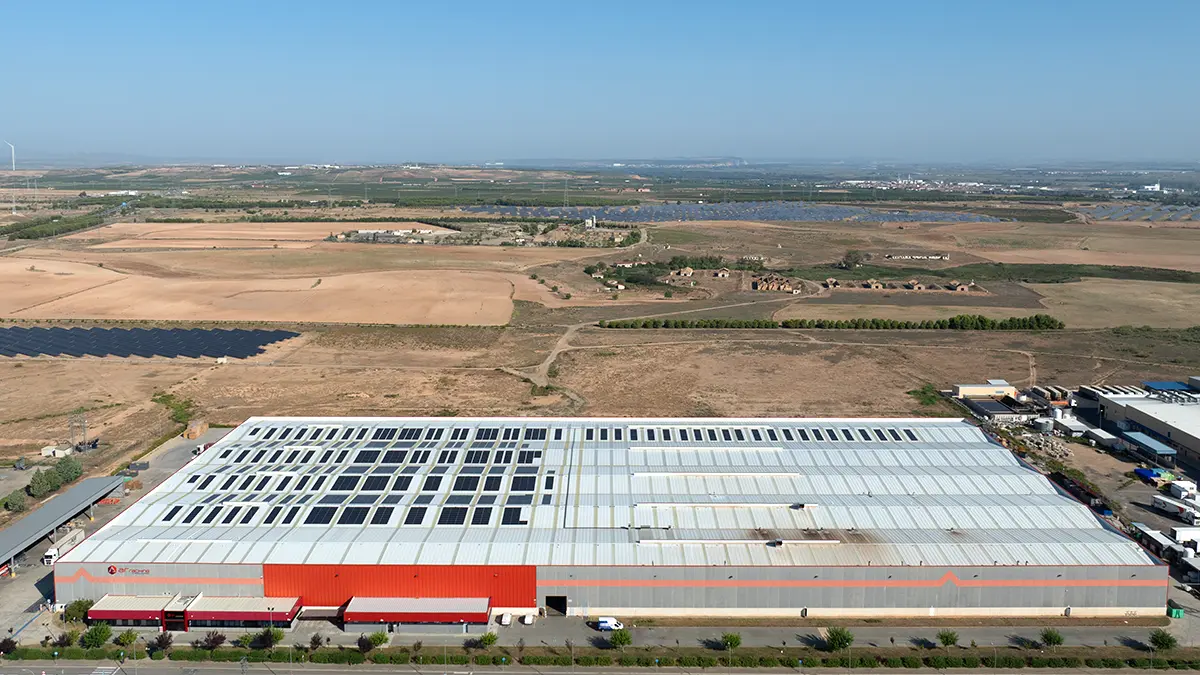
Direct Factory Control from Coiled Steel to Site Erection
By bypassing trading intermediaries and broker markups, Austin facilities receive documented metallurgical quality, rapid factory scheduling, and verifiable traceability.
Traceability 4.0 & Certifications
Our production facilities operate under ISO 9001 (Quality), ISO 14001 (Environmental), ISO 45001 (Occupational Safety), ISO 50001 (Energy), and ISO 3834-2 welding quality management. Every beam and upright features laser-etched heat numbers tracking raw steel origin.
Applied University R&D Testing
Continuous joint structural testing is executed in collaboration with leading academic testing institutions, including the AR Lab at Mondragon University and our Research & Simulation Classroom at the University of the Basque Country. Every component is finite-element modeled.
5-Year Structural Quality Warranty
We stand firmly behind our engineering with a comprehensive 5-year structural warranty on all manufactured uprights, beams, baseplates, and row spacers. Built with certified high-tensile Q355B steel, delivering superior yield strength compared to standard grades.
Procurement Intelligence
Frequently Asked Questions: Austin Pallet Racking Projects
Direct answers to the structural, operational, and regulatory questions most frequently raised by Central Texas plant managers and commercial developers.
What specific permitting steps are required by the City of Austin for installing narrow pallet racking systems over 12 feet?
In the City of Austin and surrounding jurisdictions (such as Round Rock, Pflugerville, and San Marcos), installing industrial steel storage racking with a top storage tier exceeding 12 feet requires a High-Piled Combustible Storage Permit under Chapter 32 of the International Fire Code (IFC). The permitting submission package must contain:
- Structural engineering calculation packages stamped and signed by a licensed State of Texas Professional Engineer (PE).
- Architectural plan views displaying designated egress travel distances, egress aisle widths, exit doors, and fire extinguisher placements.
- Hydraulic calculation verification demonstrating that the building's fire sprinkler system (typically ESFR or in-rack sprinkler heads) meets the discharge density required for the stored commodity class (Class I-IV or Group A plastics).
- Detailed seismic anchorage documentation verifying bolt diameter, embedment depth, and concrete edge-distance compliance.
Our technical team provides full drawing sets and PE-stamped calculation packages tailored specifically for expedited Austin Development Services Department (DSD) plan review.
How does switching to Very Narrow Aisle (VNA) racking affect our concrete floor slab requirements?
Because Very Narrow Aisle systems utilize specialized man-up turret trucks or articulated swing-mast forklifts that lift loads up to 40 feet or higher in aisles as narrow as 66 inches, floor slab tolerances are significantly more critical than in wide-aisle configurations. Central Texas warehouses often feature post-tensioned concrete slabs constructed over expansive black clay soils.
For VNA operations, the slab must satisfy ACI F-min 75 to F-min 100 superflat floor profiles or DIN 15185 standards to avoid dynamic mast sway and truck sway (chatter). Our engineers review your existing slab core reports, joint locations, and post-tension tendon tendons prior to anchoring to calculate exact baseplate spreading and anchor spacing.
Can your narrow pallet racking interface with standard American 48" × 40" GMA pallets?
Yes. All of our narrow and selective pallet racking systems manufactured for the North American market are calculated around standard 48" deep by 40" wide Grocery Manufacturers Association (GMA) pallets, as well as 48" × 48" automotive drums, plastic cleanroom pallets, and Euro pallet variants (1200 × 800 mm). Typical beam profiles are sized at 96" or 108" clear lengths to comfortably accommodate two GMA pallets per bay with mandatory 3-inch operating clearances between upright columns and pallet margins.
What is the difference between mechanical rail guidance and inductive wire guidance for Austin VNA facilities?
VNA turret trucks require guidance inside the 5.5 to 6.5-foot aisles to prevent upright impacts and maintain high operating speeds. Operators have two options:
1. Mechanical Guide Rails: Heavy structural angle steel (typically 4" × 3" × 1/4" or 100 × 75 × 8 mm) bolted directly into the concrete floor slab along the base of the upright frames. This system is mechanically rugged, requires no electronic installation, and provides physical impact protection to bottom frame legs.
2. Inductive Wire Guidance: A low-frequency signal-emitting wire embedded in a narrow 3/16" saw-cut channel along the center of the aisle floor. Wire guidance eliminates trip hazards, allows low-level cross-traffic, and facilitates easier floor maintenance, making it highly favored in cleanroom packaging and automated distribution centers.
How does high-tensile Q355B steel compare with standard North American structural steels?
Our heavy-duty upright frames and beam connectors are cold roll-formed using certified Q355B structural steel, a high-strength low-alloy grade offering a minimum yield strength of 355 MPa (approx. 51,500 psi). In comparison, conventional commercial racking often relies on standard ASTM A36 (yield strength 36,000 psi) or A1011 grade steels. The enhanced yield rating of Q355B provides higher torsional rigidity, superior resistance to forklift tines impacts, and exceptional safety factors under maximum dynamic seismic and wind-uplift loads.
What is the typical manufacturing and delivery lead time for factory-direct orders arriving in Austin?
Our automated production facilities maintain continuous manufacturing schedules with over 100,000 tons of annual capacity. For standard roll-formed teardrop uprights, beams, and wire mesh decking destined for Austin, Texas job sites, production typically completes within 3 to 4 weeks. Ocean and multimodal logistics directly to Houston or direct overland rail to Austin-Bergstrom logistics terminals require approximately 4 to 6 weeks, providing competitive total project timelines that often outperform backlogged domestic suppliers.
Turnkey Storage Engineering
Ready to Expand Capacity in Greater Austin?
Whether you are outfitting a new Class-A tilt-wall facility in Pflugerville, expanding a semiconductor staging depot in Round Rock, or reconfiguring a logistics hub along the SH-130 corridor, our engineers provide complete structural layouts, PE calculation packages, and factory-direct volume pricing.
Send an Inquiry
Direct Response within 24 Business Hours
Project Design Checklist
Having preliminary warehouse parameters ready accelerates structural layout generation:
- Building clear height & column grid spans
- Pallet load dimensions (L × W × H) & gross weights
- Forklift / Turret truck specifications
- Targeted aisle width & selectivity goals