Industrial Product Showcase
High-Efficiency Warehouse Racking Solutions
Direct manufacturer supply for North Florida 3PLs, automated distribution hubs, and apparel sorting fulfillment centers.
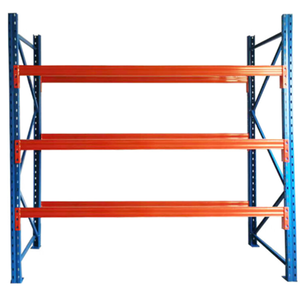
High-Bay Selective Systems
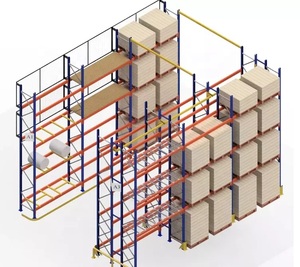
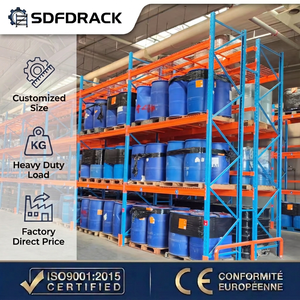
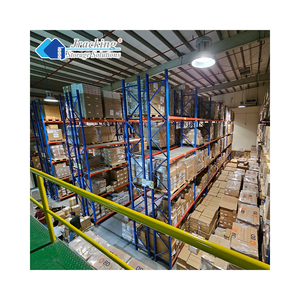
Jracking NEW EU Standard Heavy Duty Selective Steel Pallet Racking Systems for Warehouse Storage
Get a Quote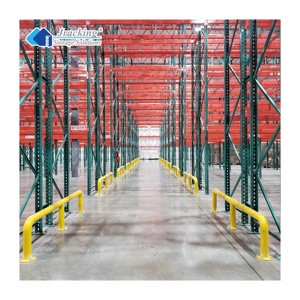
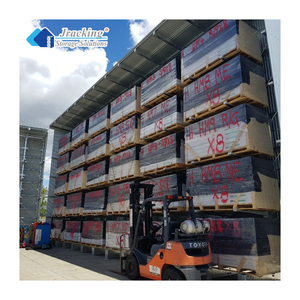
Galvanized Structural Racks
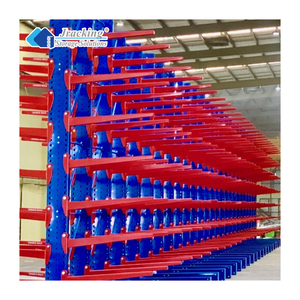
Heavy Duty Galvanised External Adjustable Metal Cantilever Racks
Get a Quote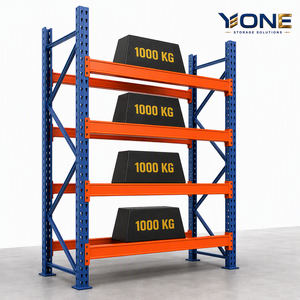
Manufacturer Scale & Verification
Export Capacity Backed by Scientific Validation
Engineering precision with automated rolling mills, robotic welding, and comprehensive traceability to support turnkey North American installations.
42,000+
Global Projects Completed
100,000t
Annual Steel Output (Tons)
60+
Countries Actively Served
5-Year
Standard Structural Warranty
Advanced Finite-Element Analysis & University Testing
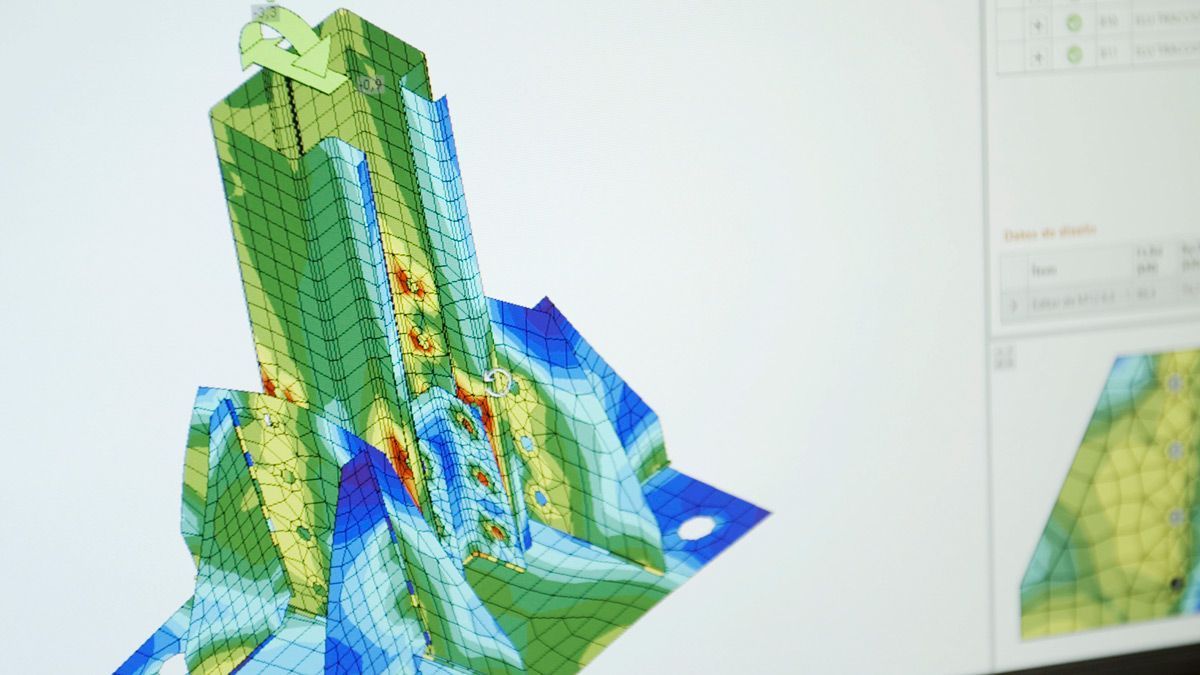
Structural reliability in garment logistics requires exacting standards. Garment storage layouts frequently introduce continuous asymmetric dynamic loads caused by trolley movements and high-bay picking. Through our collaboration with leading engineering institutions and testing facilities—including the dedicated AR Lab at Mondragon University and simulation programs at the Bilbao School of Engineering—our products undergo rigorous finite-element modeling (FEM).
We calculate local buckling behavior, cold-formed steel section performance under cyclic load variations, and ensure every upright, hanger beam, and safety crossbar meets RMI MH16.1 specifications alongside specific Jacksonville wind-drift and building tie-in requirements.
- Automated laser-assisted production tolerances maintaining ±0.5mm accuracy across all structural connectors.
- Comprehensive structural steel certification: ISO 9001, ISO 14001, ISO 45001, ISO 50001, and EN 1090-1 CE execution.
- Traceability 4.0 system: Every single beam and upright column laser-etched with raw heat and production batch identifiers.
Regional Application Engineering
Jacksonville Logistics Hub: Garment Storage Deployment Scenarios
How North Florida's multi-modal freight advantages shape specific warehousing and racking requirements.
JAXPORT Cross-Dock Container Transloading
Jacksonville’s deep-water port terminal handles millions of tons of imported consumer goods. Apparel distributors operating in North and West Jacksonville corridors (I-95 and I-295 junctions) require high-density Garment-on-Hanger (GOH) racking configured for quick-turn container de-stuffing. Our systems accommodate instant transfers from shipping containers to hanging trolleys, cutting fold-and-pack labor costs by upwards of 35%.
Omnichannel & Fast-Fashion Pick Modules
E-commerce fulfilment hubs serving Florida and Southeastern regions demand vertical multi-tier picking structures. Integrating heavy-duty steel mezzanine framing with garment drop chutes and carton-flow systems allows facilities to maximize 36-foot clear heights, segregating single-item SKU retrieval from bulk hanging overflow while maintaining NFPA 13 sprinkler penetration compliance.
Coastal Climate Corrosion & Humidity Resistance
Jacksonville’s subtropical maritime environment presents continuous humidity challenges that accelerate corrosion in standard mill-finish steel. We manufacture our racks with electrostatic thermosetting powder coatings baked at 200°C or hot-dip galvanization for exterior and semi-open docking areas, ensuring zero surface oxidation and safeguarding fabric stock against rust stains.
Macro Trends & Engineering
Emerging Warehouse Developments Across North Florida
Why logistics engineers are shifting from conventional racks to automated, climate-adapted hanging systems.
Automation Convergence: AMR & Overhead GOH Conveyors
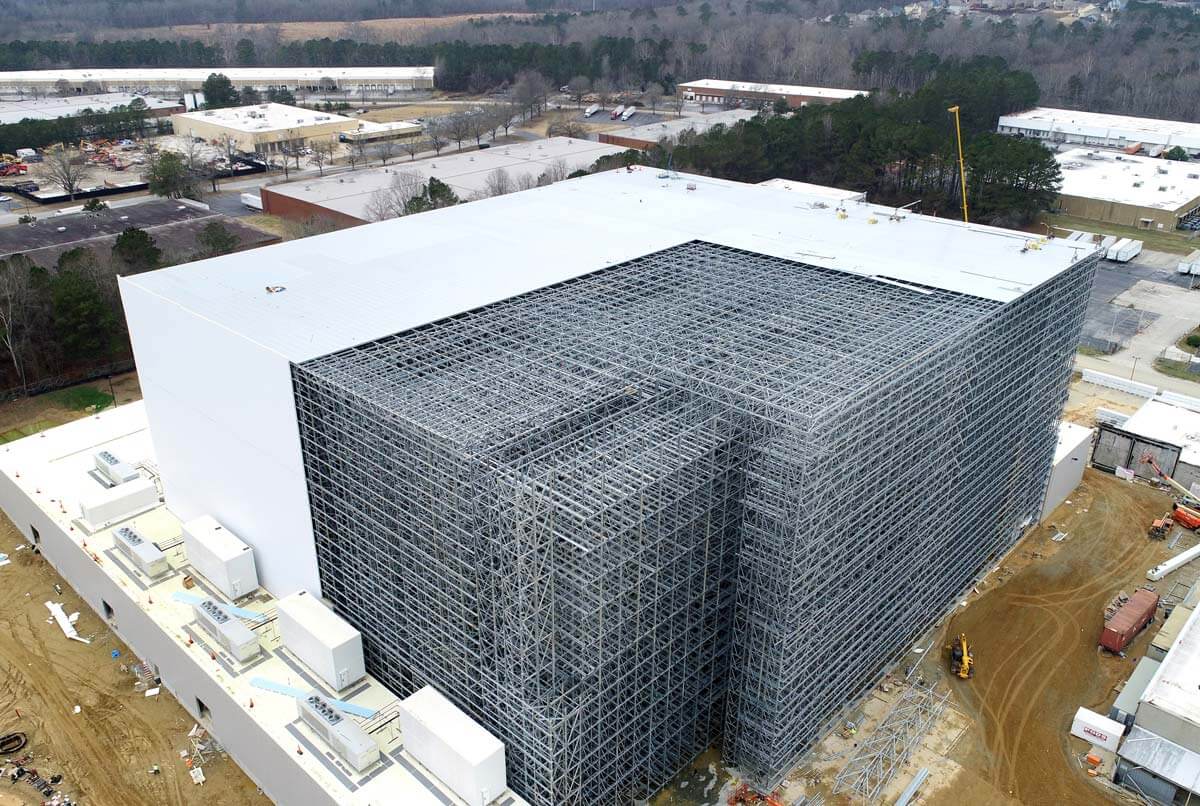
Warehouse development in Duval and Clay counties is encountering higher industrial land lease costs alongside labor competition. The solution has been a rapid transition toward high-density automation. Modern garment facilities no longer rely solely on manual rolling racks; they require modular steel racking engineered with structural tie-backs capable of supporting overhead electrified monorail (EHB) systems and Autonomous Mobile Robot (AMR) floor navigation lanes.
Our engineering team specializes in producing racking with ultra-low deflection margins (1/1000 span tolerance). This rigidity prevents structural resonance caused by high-speed hanging sorters, protecting precision sensors and keeping robotic sorting systems functioning without error shutdowns.
- Structural dynamic calculations factored for AS/RS and AGV guided equipment.
- Hybrid rack-supported platforms consolidating bulk flat-pack pallets and vertical hanger runs.
Buyer Guidance
Frequently Asked Questions by Jacksonville Facility Managers
Critical engineering, regulatory, and logistics questions answered by our North American project division.
How do your racking systems comply with Florida Building Code (FBC) and local seismic/wind codes in Jacksonville? +
While Jacksonville sits in a low-seismic zone compared to the West Coast, Florida Building Code (FBC) enforces strict standards regarding slab anchoring, baseplate surface contact, and building movement interactions—particularly in large high-bay distribution centers subjected to hurricane-force wind uplift and building frame drift. All our steel racking systems conform to Rack Manufacturers Institute (RMI MH16.1) standards. We supply full structural calculations and collaborate directly with your local Professional Engineer (PE) of Record in Florida to ensure stamped calculations pass city plan reviews in Duval County with zero permitting delay.
What are the freight shipping terms, lead times, and customs clearance procedures for JAXPORT delivery? +
We provide full DDP (Delivered Duty Paid), CIF, or FOB terms with direct maritime liner shipping into the Jacksonville Port Authority (JAXPORT) terminals (Blount Island Marine Terminal / Talleyrand). Production lead times for custom-engineered racking typically range between 4 to 6 weeks, with sea freight transit from China to JAXPORT taking approximately 28 to 35 days. Our dedicated export documentation division coordinates ISF filings, EPA/customs clearances, and port drayage directly to your warehouse loading dock.
Can your Garment Storage Racks be configured for both hanging apparel and flat-packed carton storage? +
Yes. Our modular upright designs feature dual-purpose flexibility. Hanger rails (round or oval profile) can be interchanged with wire mesh decking or step beams at standard 50mm or 75mm (2-inch and 3-inch) pitch intervals. This allows Jacksonville omnichannel operations to pivot seasonally—allocating top tier storage for palletized bulk stock while maintaining lower levels for Garment-on-Hanger pick modules without structural alterations.
What surface treatment prevents garment fabric snagging and humidity-induced corrosion? +
Fabric preservation is paramount in apparel warehousing. All our hanging tubes, brackets, and upright columns feature an ultra-smooth electrostatic epoxy-polyester powder finish cured to a high hardness index, verified free of metal burrs or sharp welding spatters that could tear delicate textiles. For high-humidity facilities near the St. Johns River or coast, we provide hot-dip galvanized components or anti-corrosive primer bases that resist environmental salt air and condensation.
Do you supply tear-drop compatible profiles standard in US distribution centers? +
Yes. In addition to high-capacity bolted and structural EU/AU profiles, we manufacture authentic American Teardrop punching compatible with mainstream North American racking systems. This allows effortless expansion and replacement integration into existing warehouse footprints in Jacksonville without forcing you to re-purchase proprietary frames.
Engineering a Custom Racking Layout in North Florida?
Connect with our technical design team today. Send us your facility CAD drawings, ceiling clear heights, and garment storage profile for an optimized warehouse layout and factory-direct quote.