Industrial-Grade Racking & Shelving Systems
Precision-profiled cold-rolled steel, finite-element validated load dynamics, and robotic laser-perforated adjustability for contemporary logistics distribution hubs.
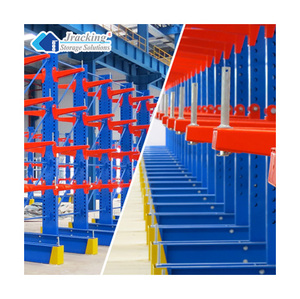
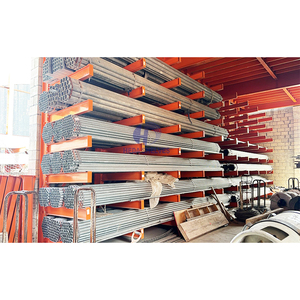
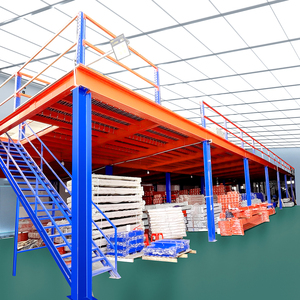
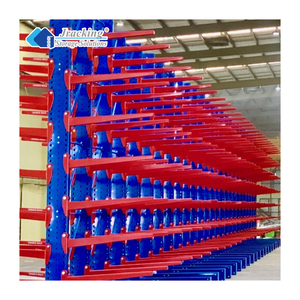
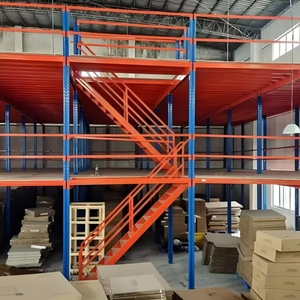
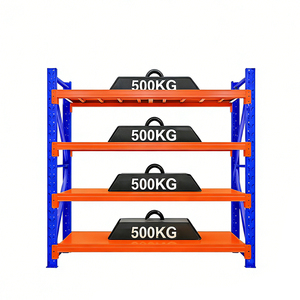
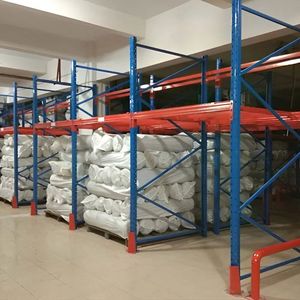
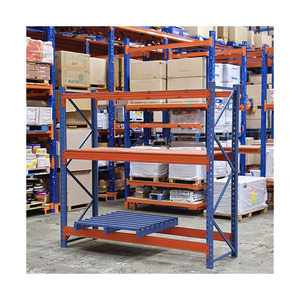
Comparative Intralogistics Engineering Analysis
Selecting the optimal racking typology requires balancing SKU velocity, storage density, handling equipment kinematics, and structural deflection constraints.
| Racking Topology | Direct SKU Selectivity | Volumetric Density | Dynamic Inventory Flow | Equipment Clearance Tolerances | Seismic & Wind Resistance |
|---|---|---|---|---|---|
| Selective Pallet Racking | 100% Immediate | Standard (40-50%) | Random Access (FIFO / LIFO) | Aisle Width: 3.0 m – 3.8 m | Moderate anchor point flexibility |
| Very Narrow Aisle (VNA) | 100% Immediate | High (60-70%) | Random Access (High Bay) | Aisle Width: 1.5 m – 1.9 m (Turret/Rail) | Stringent floor leveling (DIN 18202) |
| Drive-In / Drive-Through | Lane Dependent (Last-In) | Very High (75-85%) | Batch Sequential (LIFO / FIFO) | Inside-bay truck clearance required | High lateral portal bracing demands |
| Carton / Pallet Flow | Lane Face Dedicated | High (65-75%) | Strict FIFO (Gravity Incline) | Separator brake roller calibration | Inclined track gradient calculations |
| Semi-Automated Pallet Shuttle | Channel Face Direct | Maximum (85-90%) | Programmable (FIFO / LIFO) | Rail tolerance: ±2.0 mm variance | Distributed dead/live load balance |
| Automated AS/RS High-Bay | Automated Matrix Direct | Ultra-High (>90%) | Continuous Systemic WCS Driven | Laser-guided crane tolerances (<1.5 mm) | Full clad-rack dynamic FEM validation |
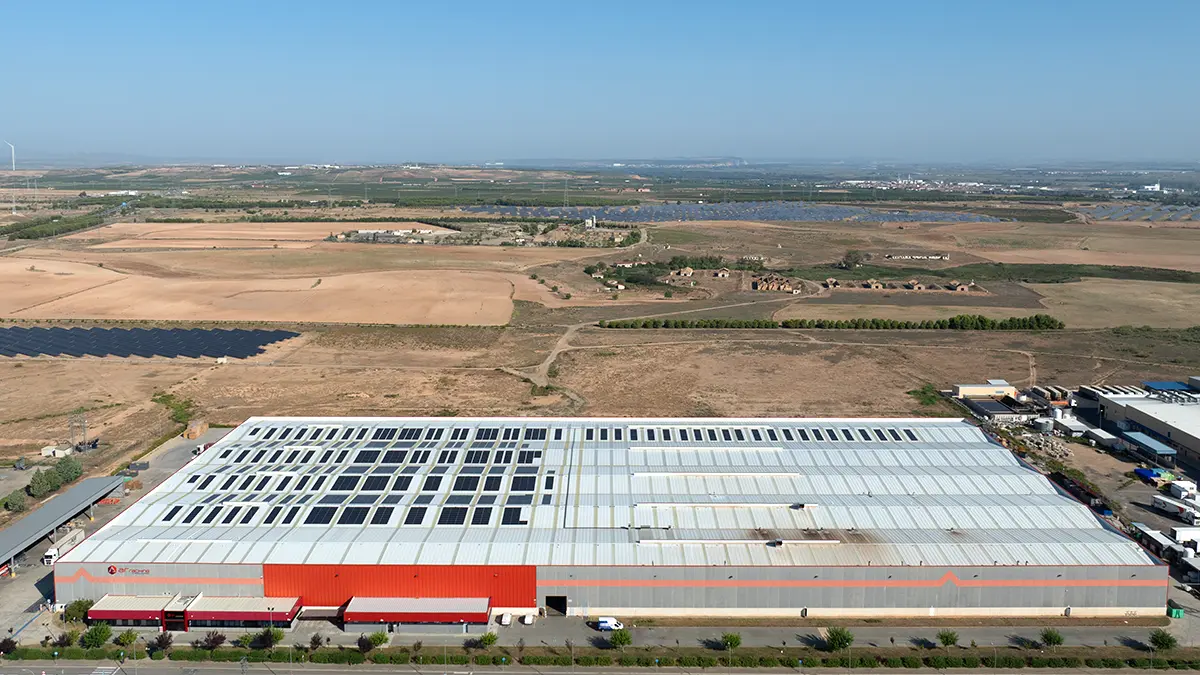
Continuous Cold-Roll Forming & Traceability 4.0
Structural reliability in high-capacity warehouse environments begins with metallurgical consistency. Our production facility spans over 35,000 m² of smart industrial infrastructure, housing computerized profiling lines that form structural uprights from high-yield cold-rolled steel coils with zero residual internal stress.
Through our proprietary Traceability 4.0 execution framework, every upright frame, box beam, base plate, and brace is permanently laser-etched with batch metallurgy, tooling line identifiers, and raw material mill certificates. This allows complete forensic structural tracking across a 20-year service lifecycle.
- Automated robotic continuous seam welding verified to ISO 3834-2 standards.
- Multi-stage iron-phosphate wash and electrostatic powder coating cured at 200°C.
- Laser-calibrated punch indexing ensuring absolute hole alignment across 40-meter upright spans.
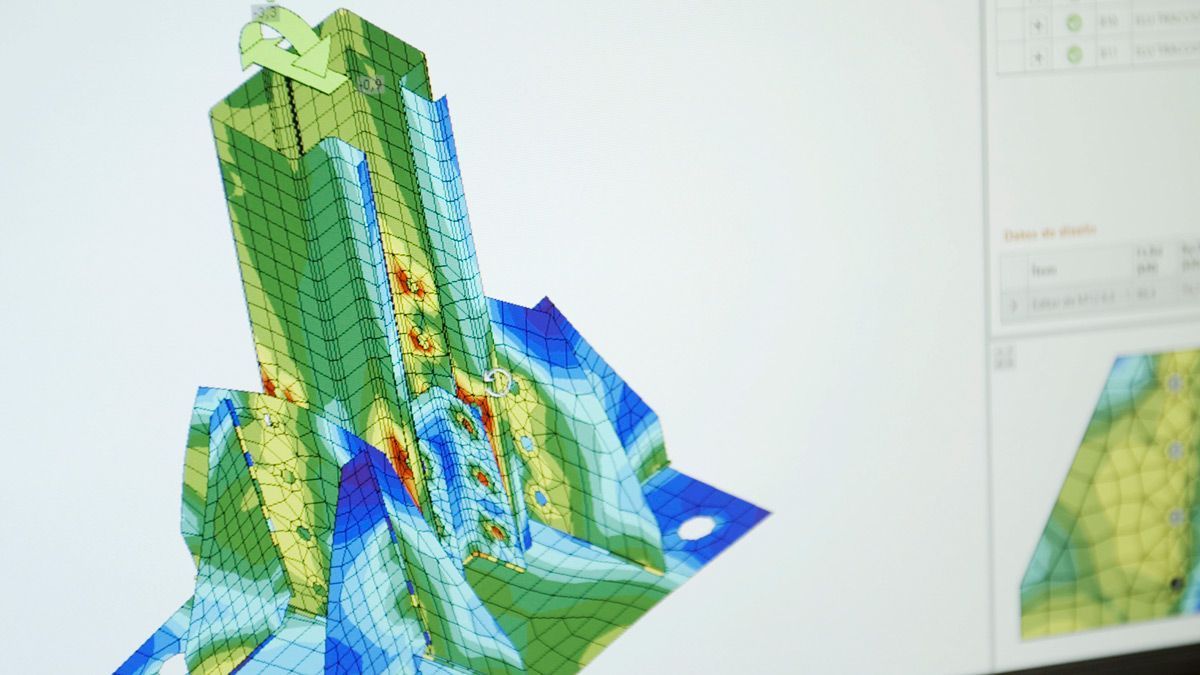
Academic Validation: The AR Lab & UPV/EHU Simulation Classroom
Unlike commercial brokers or component re-sellers, our engineering core operates in formal conjunction with top academic research institutions. In collaboration with Mondragon University, the specialized AR Lab conducts empirical physical testing of stub columns, beam-to-column connector stiffness, and cyclic seismic degradation.
Concurrently, our Research and Simulation Classroom at the University of the Basque Country (Bilbao School of Engineering) leads advanced nonlinear Finite Element Modeling (FEM). We simulate second-order structural effects (P-Delta), beam torsional buckling, and seismic performance under dynamic accelerations exceeding 0.6g.
- Physical full-scale connector shear, bending, and torsional testing to EN 15512.
- Custom seismic spectra modeling tailored to IBC Seismic Design Categories A through F.
- Optimization of strength-to-weight steel ratios minimizing foundation concrete mass.
The 2025–2035 Warehouse Capital Equipment Horizon
Enterprise logistics infrastructure is moving beyond basic pallet holding. Modern distribution networks require adaptive procurement models built around modular agility, automated material handling interoperability, and environmental metrics.
Autonomous Mobile Robot (AMR) Runway Co-Design
Floor-level pallet positions are rapidly transitioning from static staging areas to high-speed robotic travel paths. Forward-looking procurement strategies require bottom-level beam clearance elevation, recessed anchor bolts, and specialized wide-stance portal frames designed to facilitate unrestricted traversal of 1,500 kg payload AMRs and AGVs.
Rack-Supported Clad Buildings (Building-as-a-Rack)
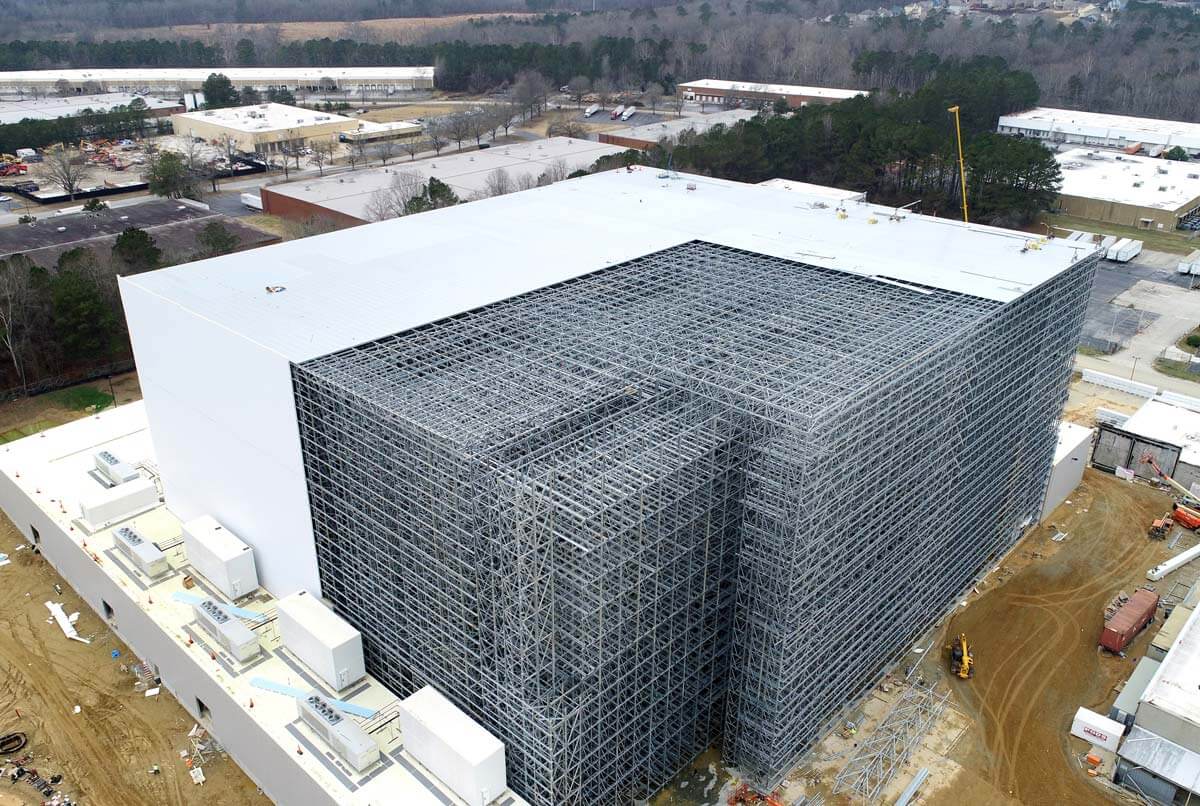
Civil engineering construction costs and industrial land valuation surges have made traditional tilt-up warehouse construction obsolete for deep high-bay storage. Specifiers increasingly deploy self-supporting rack clad systems where structural racking profiles directly support roof trusses, insulated sandwich wall panels, and vertical HVAC conduits.
Decarbonization, CBAM & EPD Auditing
Global corporations demand documented Environmental Product Declarations (EPD) and verified carbon footprints under ISO 14064. Future-proof procurement teams partner with certified manufacturers utilizing low-emission electric arc furnace (EAF) steel and closed-loop powder recovery, avoiding cross-border carbon border adjustment penalties.
Next-Generation Structural Racking Developments
Micro-tolerances, cryogenic structural steels, and predictive Internet-of-Things (IoT) strain monitoring represent the new standard for critical enterprise facilities.
Cold Chain Integrity Down to -30°C Without Steel Embrittlement
In high-density cold storage facilities (such as automated blast freezers operating at -24°C to -30°C), conventional carbon steel grades experience a severe ductile-to-brittle transition. This failure mode can lead to catastrophic cracking under forklift impact or cyclic dynamic load reversal.
Our cold storage engineering utilizes fine-grain micro-alloyed structural steels subjected to rigorous Charpy V-notch impact toughness testing at sub-zero temperatures. Combined with continuous hot-dip galvanizing (HDG) to ISO 1461, our structures prevent interstitial corrosion under condensation cycles, ensuring high operational reliability across food logistics facilities worldwide.
- Documented Charpy V-notch energy absorption exceeding 27 Joules at -30°C.
- Hot-dip zinc coating delivering 85+ microns of barrier protection against condensation.
- Engineered clearance allowances compensating for thermal linear contraction of steel beams.
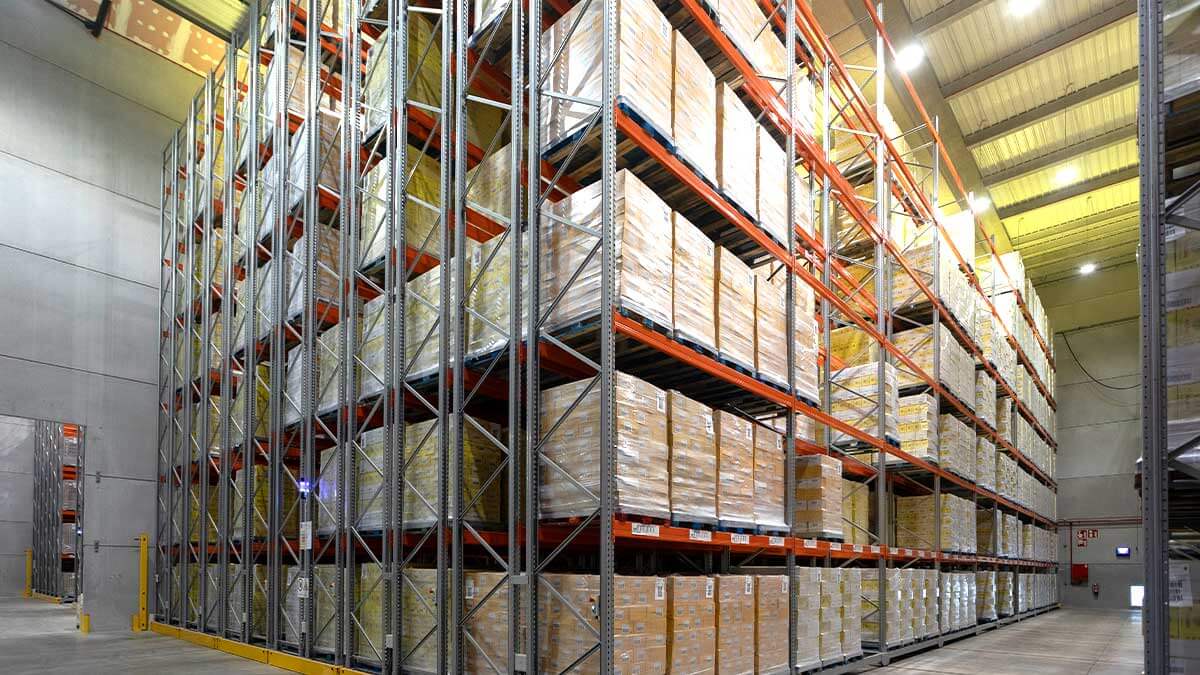
AS/RS Millimeter-Level Installation Tolerances
Modern Automated Storage and Retrieval Systems (AS/RS) and automated stacker cranes operate at horizontal velocities up to 240 m/min with vertical accelerations that transfer significant dynamic horizontal braking loads into the steel rack structure.
To prevent crane mast collisions and sensor misreads, rack framing must be manufactured and assembled to stringent geometric tolerances defined by FEM 9.831 and EN 15620 (Class 100 to 400). Our installation teams utilize laser total stations and high-precision structural shimming systems to hold plumb tolerances under 1.5 mm over a 40-meter vertical rise, meeting the exacting expectations of automated systems integrators.
- Deflection limits engineered to L / 500 or tighter for robotic crane clearance envelopes.
- Integrated top guide rail assemblies with dynamic expansion joints for thermal stability.
- Floor anchored base assemblies using chemical epoxy capsules capable of handling dynamic uplift.
Independent Structural & Environmental Certifications
Enterprise procurement requires verifiable third-party auditing. Our end-to-end manufacturing and engineering processes maintain the world's most rigorous operational credentials.
ISO 9001
Quality Management
ISO 14001
Environmental Systems
ISO 45001
Occupational Safety
ISO 50001
Energy Management
ISO 3834-2
Welding Excellence
EN 1090-1
CE Structural Steel
ISO 14064
GHG Carbon AuditFrequently Asked Engineering & Sourcing Questions
Essential structural and commercial considerations for supply chain directors, warehouse operations leads, and structural engineers of record.
What primary differences govern American RMI (ANSI MH16.1) versus European EN 15512 engineering design calculations? +
How are beam deflection limits determined for heavy-duty industrial storage racks? +
What concrete slab information is required before engineering a high-capacity pallet racking system? +
Why is rack-supported warehouse construction financially advantageous compared to conventional buildings? +
How does your manufacturing system verify steel traceability and weld structural integrity? +
What seismic design considerations must be addressed for racking installed in high-risk zones? +
What structural maintenance and technical inspection protocols are recommended post-handover? +
Initiate Your Warehouse Storage Engineering Review
Whether calculating a 200,000 sq ft regional distribution facility, planning a high-density cold chain expansion, or integrating robotic AS/RS storage, our application engineering team delivers preliminary structural layouts, certified load calculations, and competitive wholesale manufacturing pricing.