Structural High-Density Storage Solutions
Precision-calculated racking architectures engineered for extreme dynamic loads, robotics compliance, and rigorous North American seismic safety standards.
 High-Density
Structural Design Paradigms & Information Gain Analysis
A technical assessment for Chief Supply Chain Officers, Warehouse Operations Directors, and EPC Industrial Contractors.
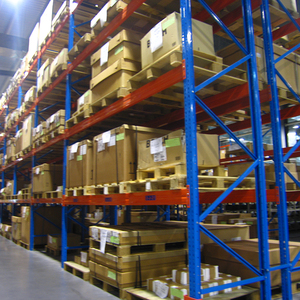
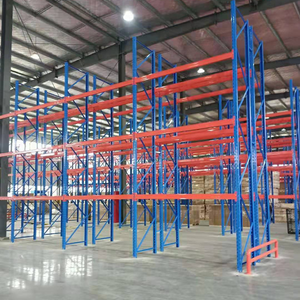
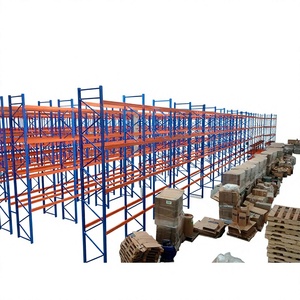
Modern warehouse logistics have evolved past simple floor footprint calculations. Today's intralogistics systems are sophisticated structural balancing acts influenced by real estate costs, seismic safety factors (such as AISC 360, AISI S100, and RMI ANSI MH16.1), floor slab point loads, and micro-tolerance automation interfaces. Pallet storage racking must be analyzed as a load-bearing skeletal framework that interacts dynamically with material handling equipment (MHE), building envelopes, and localized environmental loads.
Procuring industrial racking demands evaluating dynamic load distribution, connection stiffness, and material microstructures. Cold-formed steel profiles with tailored yield points perform reliably only when backed by finite element analysis (FEA) and full-scale component testing in accredited research facilities. As fulfillment facilities push vertical clear heights past 40 meters in automated rack-supported warehouses, minor deflection variations can directly impact automated guided vehicle (AGV) guidance systems, stacker crane tolerances, and worker life safety.
Cold-Formed High Tensile Steels
Utilizing high-ductility micro-alloy steels (up to S355 and S420) optimized through progressive continuous cold roll forming. This guarantees superior strength-to-weight ratios and minimal residual stresses across critical punch geometries.
Robotic Laser Precision & Traceability 4.0
Every profile, connector claw, and bracing bar is manufactured on fully automated robotic production lines with integrated laser-guided stamping. Full component batch traceability ensures quality for ISO 9001 and structural compliance audits.
Certified Seismic & Wind Modeling
Engineered to comply with ASCE 7, IBC (International Building Code), and EN 15512. Structures are modeled dynamically against high-spectral seismic accelerations, ground movements, and wind/snow reactions in rack-clad structures.
Future Procurement Trends: 2025–2030 Evolution
How supply chain resilience, carbon accounting, and deep warehouse automation are reshaping global storage asset tenders.
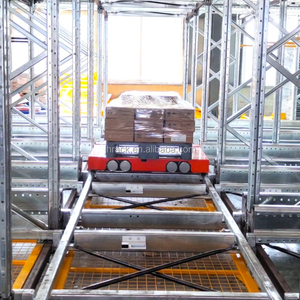
AS/RS & 4-Way Autonomous Shuttles
The market is migrating from standard reach-truck selective racking to autonomous 4-directional shuttle systems and stacker-crane high-bays. Buyers prioritize structural deflection limits of L/500 or tighter to avoid optical sensor misalignments during high-speed pallet extraction.
Zero-Carbon Steel & Scope 3 Auditing
Enterprise logistics real-estate developers require verifiable Environmental Product Declarations (EPDs). Structural racking suppliers must demonstrate ISO 14064 verified corporate carbon accounting and deploy energy-optimized manufacturing certified to ISO 50001.
High-Performance Deep Freeze Infrastructures
With cold chain logistics expanding across pharmaceuticals and fresh foods, racks must withstand temperatures down to -30°C without brittle steel transitions. Procurement now specifies Charpy V-notch impact-tested steels, low-temperature synthetic lubricants, and heated control housings.
Comparative Engineering Matrix for System Selection
A side-by-side evaluation of structural storage systems to support capital expenditure allocation.
| Storage Topology | Space Utilization | Pallet Accessibility | Inventory Logic | MHE Requirement | Best Applied In |
|---|---|---|---|---|---|
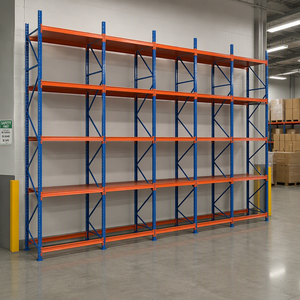
| Selective Racking (Standard) | 40% – 50% | 100% Direct Access | FIFO / LIFO | Standard Counterbalance, Reach Truck | FMCG, 3PL Distribution, High-SKU Mix |
| Very Narrow Aisle (VNA) | 60% – 70% | 100% Direct Access | FIFO / LIFO | Man-Up / Man-Down Turret Trucks, Wire Guidance | High Bay Distribution, E-Commerce Fulfillment |
| Double Deep Systems | 55% – 65% | 50% Direct Access | FILO | Deep Reach Pantograph Forklifts | Dry Goods, Identical Batch Storage |
| Drive-In / Drive-Through | 70% – 80% | Lane Dependent | LIFO / FIFO | Counterbalance, Narrow-Chassis Reach | Cold Storage, Low SKU, Seasonal Surge |
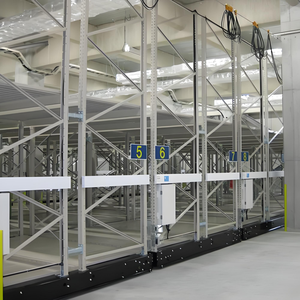
| Mobile Pallet Racking | 80% – 90% | 100% On-Demand Aisle | FIFO / LIFO | Standard Forklifts, Reach Trucks | High-Value Cold Rooms, Raw Materials |
| 4-Way Pallet Shuttle (AS/RS) | 85% – 95% | High-Density Channel Access | Automated FIFO / LIFO | Autonomous Shuttle Fleet, Vertical Lifts | Dark Warehouses, Automated Food Processing |
Why Tier-1 Global Supply Chains Partner With Us
Combining heavy industrial manufacturing capacity with dedicated university-grade structural testing laboratories.
Advanced University Testing Partnerships
Through our dedicated laboratory partnerships with Mondragon University and our Research and Simulation Classroom at the University of the Basque Country (Bilbao School of Engineering), our cold-formed profiles, hook weldments, and upright punch-outs are continuously tested and documented for static and dynamic load safety.
Large-Scale Production Facility
Our centralized manufacturing operations exceed 35,000 m² (over 376,000 sq ft) with an output surpassing 100,000 metric tons annually. Over 90% of our products are exported across 60+ countries, backed by localized project offices and certified regional distributors across the United States, Canada, and Mexico.
Full Regulatory Certification Suite
Our facilities maintain ISO 9001, ISO 14001, ISO 45001, ISO 50001, ISO 3834-2 (welding quality compliance), EN 1090-1 CE Marking (structural execution of steel), and ISO 14064 greenhouse gas validation. Every component includes a 5-year quality warranty.
Frequently Asked Questions by Industrial Engineers
Detailed technical answers addressing the operational, seismic, and economic considerations of pallet racking procurement.
How do you verify rack compliance with local seismic requirements across North America?
What steel grades and connection designs are used to prevent progressive system collapse?
What is the structural distinction between standard high-bay racking and a rack-supported building?
How does automated laser production impact integration tolerances for AS/RS and AGVs?
How do anti-freeze components perform reliably in deep-freeze facilities at -24°C to -30°C?
What lifecycle warranties and post-installation technical inspection services are provided?
Design Your High-Efficiency Warehouse Storage System Today
Consult with our structural engineering team. Submit your architectural layouts, clear heights, pallet configurations, and seismic requirements for a comprehensive system design and proposal.
Get a Quote