Engineered Warehouse Racking & High-Density Storage Solutions
Tested cold-formed steel racking systems fabricated in ISO-compliant facilities, engineered to support extreme weight capacities, seismic stability, and custom unit-load operations.
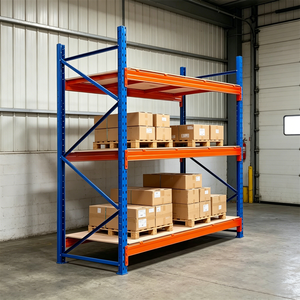
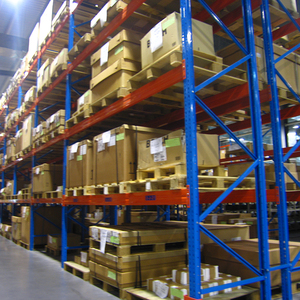
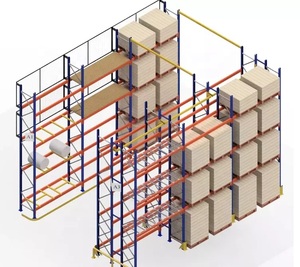
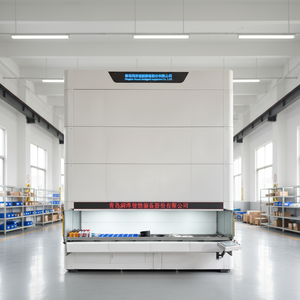
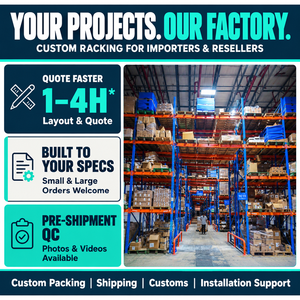
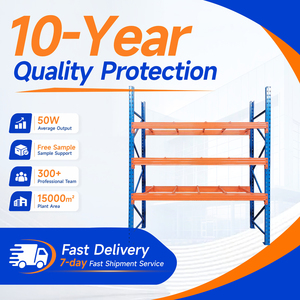
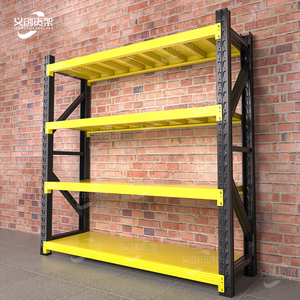
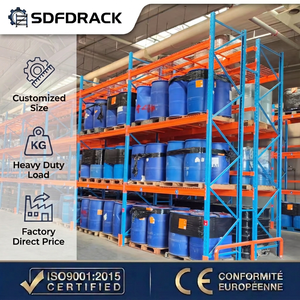
Direct OEM Production with Traceability 4.0
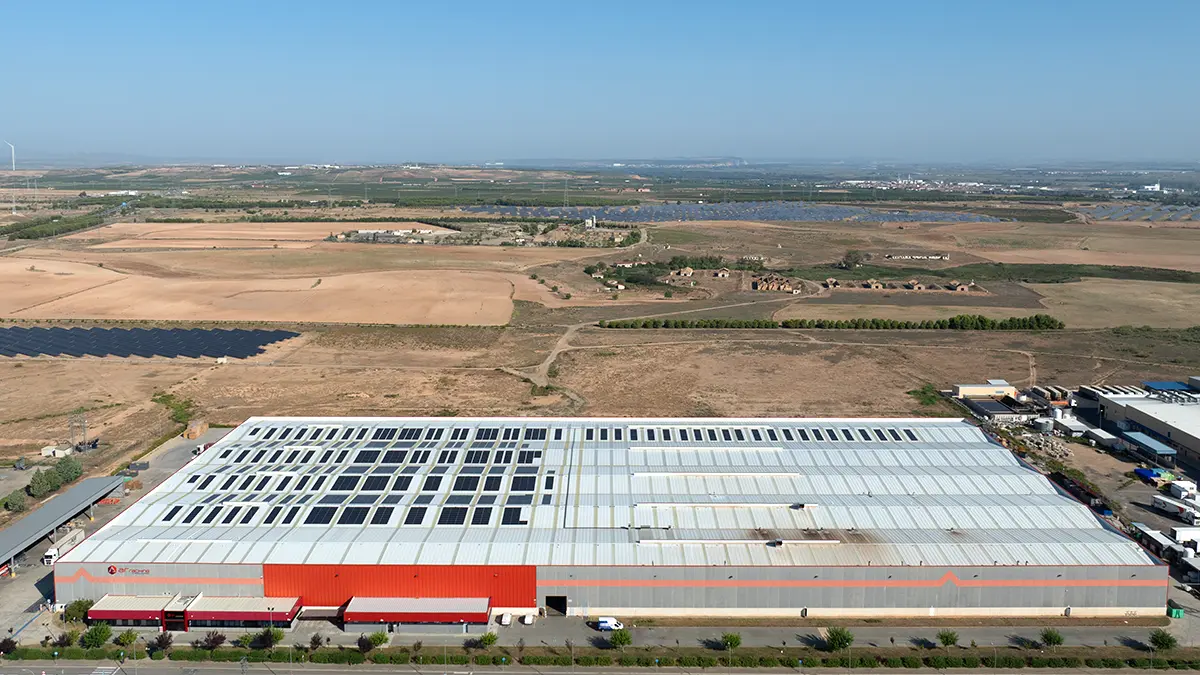
Operating an advanced fabrication footprint exceeding 35,000 m² (over 376,000 sq ft), our automated production center manufactures more than 100,000 metric tons of steel storage infrastructure annually. Certified under EN 1090-1 and ISO 3834-2, we provide absolute engineering certainty for global projects.
- Continuous Laser-Assisted Profiling: Millimeter-exact tolerances suitable for high-bay stacker cranes and AMR integration.
- Full Structural Traceability: Individual coil, batch, and post-annealing identification markings on every upright frame and beam connector.
- Academic Research Collaboration: Specialized structural calculations, seismic testing, and FEA simulation completed in joint university laboratories.
Internationally Certified Quality Standards
Guaranteed structural reliability backed by exhaustive third-party audits and compliance with European and International directives.
EN 1090-1 (CE)
Execution of steel structures & factory production control
ISO 3834-2
Comprehensive welding quality requirements for metals
ISO 9001 / 14001
Quality management & environmental stewardship systems
ISO 14064
Verified organizational carbon footprint reduction
Engineering Whitepaper: Next-Generation Storage System Trends
Modern warehouse logistics have progressed from static shelving to highly integrated, multi-physics dynamic structures. Industrial procurement teams are evaluating warehouse equipment not solely on initial steel ton prices, but on spatial efficiency ratios, deflection thresholds, dynamic load cycle tolerances, and life-cycle carbon footprints.
Automated High-Bay Tolerances
The acceleration of AS/RS stacker cranes and Shuttle shuttles demands tolerance limits beneath EN 15620 Class 100/200. Beam deflection values are strictly held to L/300 or L/400 to prevent automated optical sensor trips.
Sub-Zero Cold Chain Resiliency
Deep-freeze logistics down to -24°C require structural steels with certified impact toughness at low temperatures (Charpy V-Notch testing) to eliminate brittle fracture risks across high-density mobile racking bases.
Rack-Supported Building (Clad-Rack)
Eliminating conventional exterior structural pillars by allowing the heavy-duty racking framework to support the building's roof and external facade insulation, reducing construction footprint by up to 28%.
Future Procurement Trends in Pallet Shelving & Racking
How top logistics operators, retail giants, and global manufacturers are optimizing their capital expenditure for 2026–2030.
Standardization on GMA & ISO Formats
Procurement teams demand universal bay clearance capable of handling North American 48"x40" GMA pallets, Euro 1200x800mm, and industrial 1200x1000mm without reconfiguration, enabling cross-border warehouse agility.
Modular Hybrid Automation Readiness
Warehouses are procuring manual selective racks with pre-engineered vertical upright load calculations ready to integrate automated shuttle tracks and automated guided vehicles (AGVs) without full rack teardowns.
Seismic Resiliency & Building Code Compliance
With tightening international structural codes, rack purchases mandate project-specific base plate thickness, heavy-duty floor anchor embedding, and dynamic spectral analysis signed by verified engineering authorities.
Frequently Asked Questions on Pallet Shelving Procurement
Direct technical answers addressing structural engineering, certification authenticity, and installation criteria.
What does CE certification specifically mandate for industrial pallet racking manufacturers?
How do beam profile designs and connector hooks prevent accidental dislodgement?
Can heavy-duty selective pallet racks be engineered for high-risk seismic zones?
What is the difference between cold-rolled steel and hot-rolled structural racking?
What technical data must buyers supply for an accurate engineering proposal?
Request Comprehensive Engineering Technical Data & Pallet Rack Specs
Connect with our structural calculation department for beam capacity tables, seismic analysis reports, and custom warehouse layout CAD blueprints.
Get Catalog